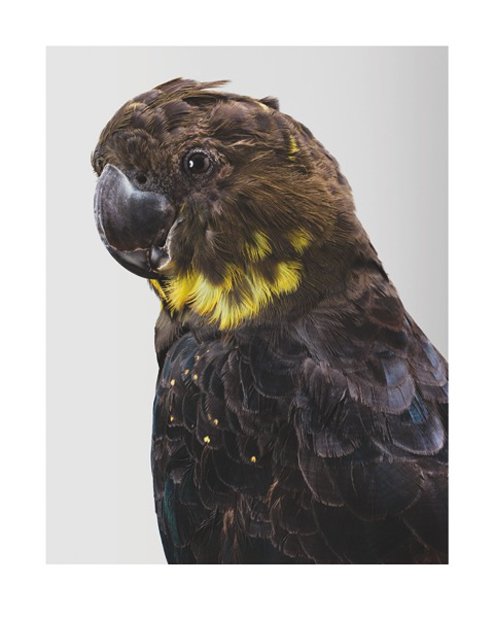
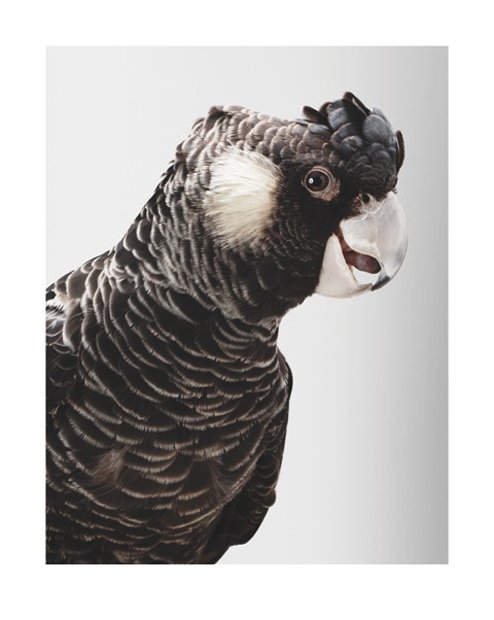
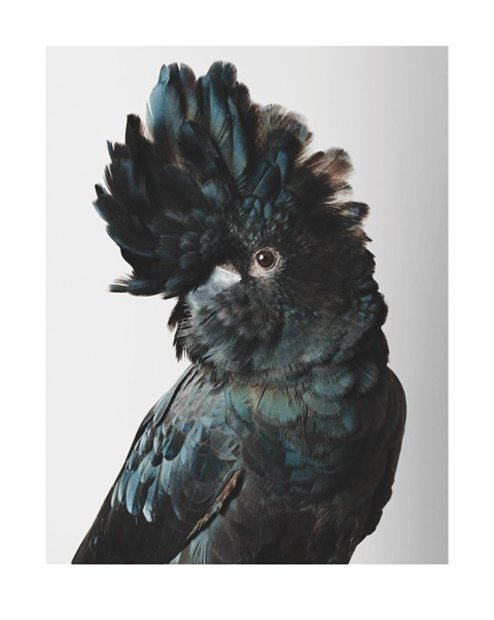
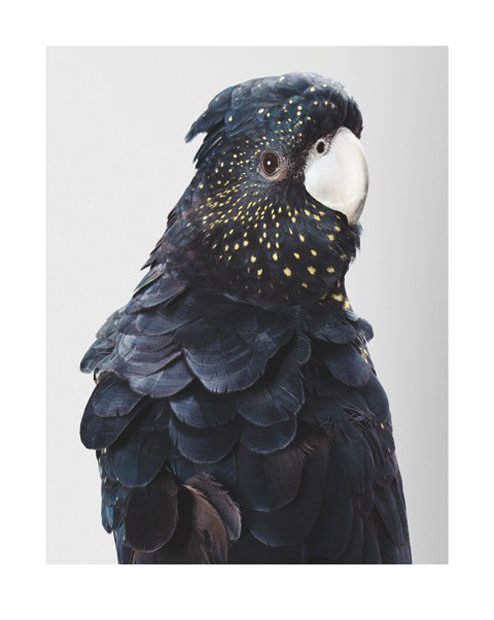
‘Akalla’ – Glossy Black Cockatoo (Calyptorhynchus lathami).
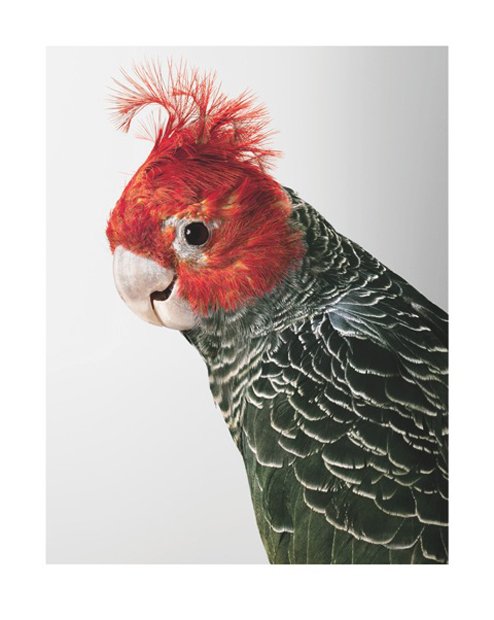
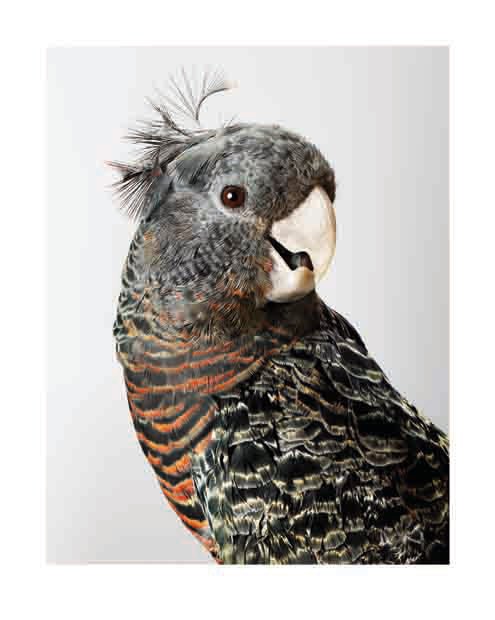
‘Commander Skyring’ – Gang Gang Cockatoo (Callocephalon fimbriatum).
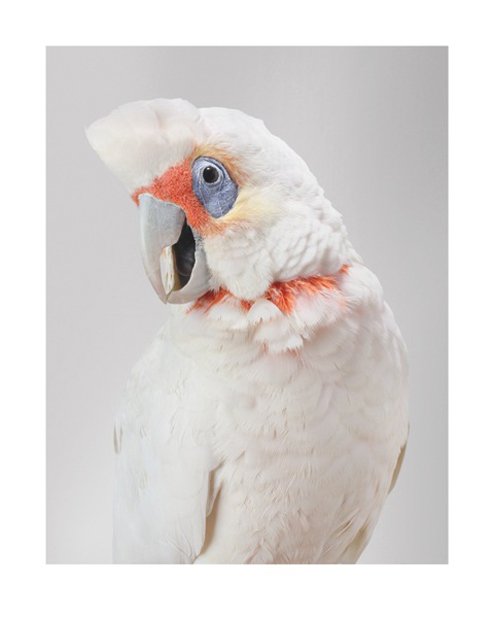
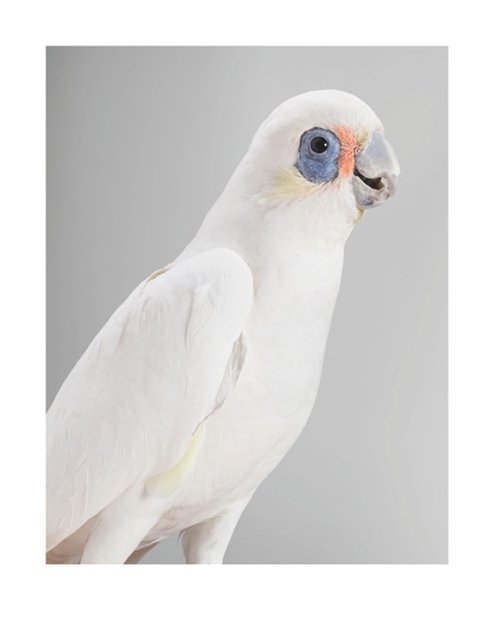
‘Bob’ – Long-Billed Corella (Cacatua tenuirostis).
‘Kirra’ – Carnaby’s Black Cockatoo (Calyptorhynchus latirostris).
‘Little Stevie’ – Little Corella (Cacatua sanguinea).
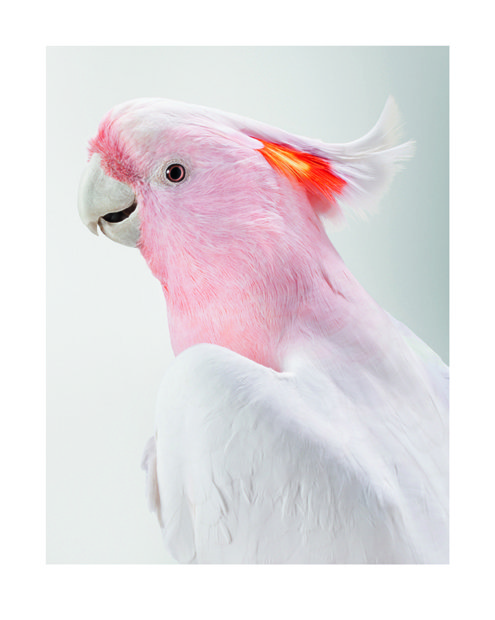
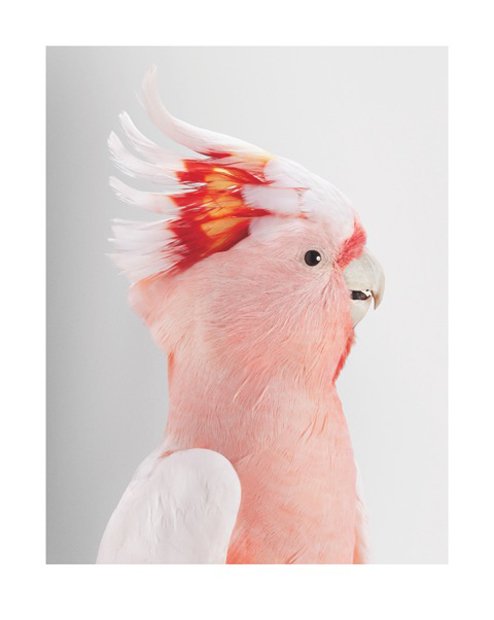
‘Matilda’ – Major Mitchell’s Cockatoo (Lophochroa leadbeateri).
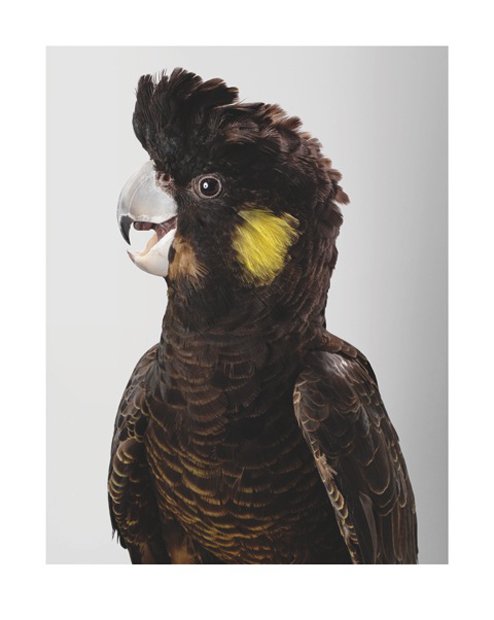
‘Melba ‘ – Yellow -Tailed Black Cockatoo (Calyptorhynchus funereus).
‘Neville’ – Major Mitchell’s Cockatoo (Lophochroa leadbeateri).
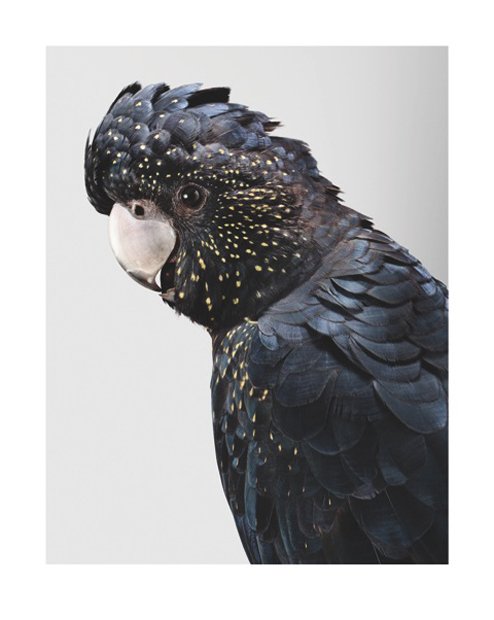
‘Nora’ – Red-Tailed Black Cockatoo (Calyptorhynchus banksii).
‘Pete’ – Red-Tailed Black Cockatoo (Calyptorhynchus banksii).
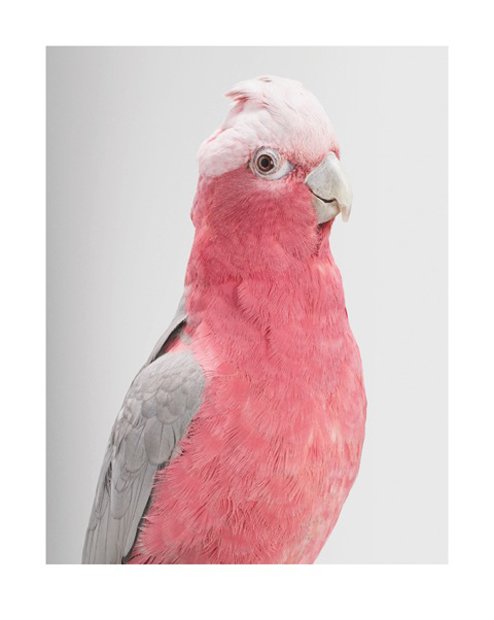
‘Queenie’ – Galah Cockatoo (Eolophus roseicapillus).
‘Rosie’ – Red-Tailed Black Cockatoo (Calyptorhynchus banksii).
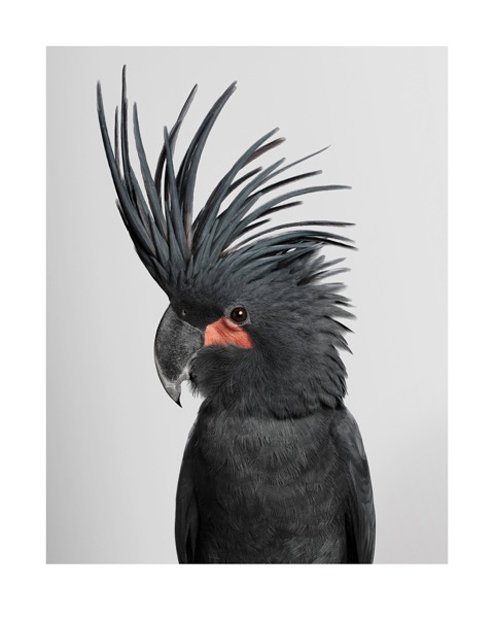
‘Seisa’ – Palm Cockatoo (Probosciger aterrimus).
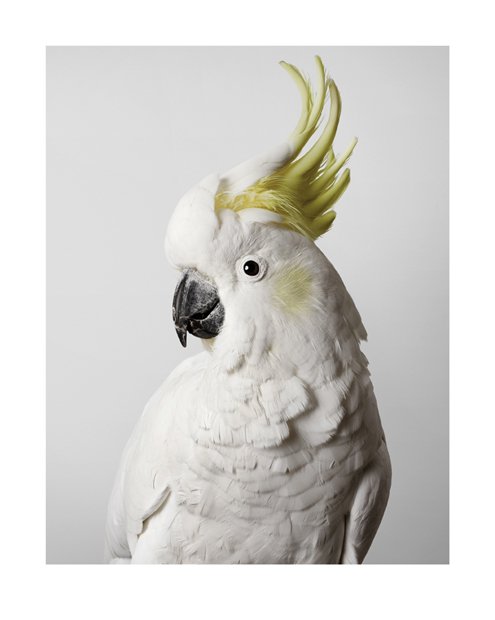
‘Slim’ – Sulphur-Crested Cockatoo (Cacatua galerita).
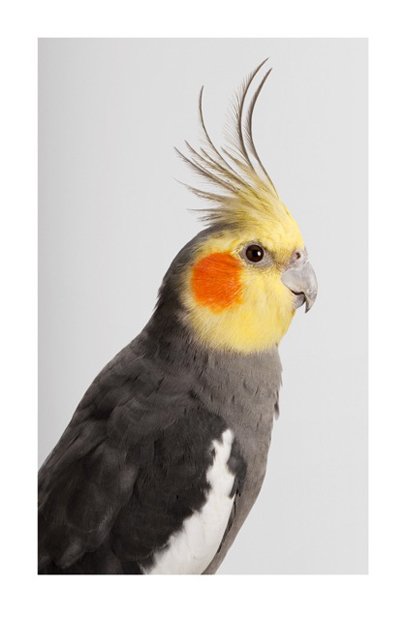
‘Jarra’ – Cockatiel (Nymphicus hollandicus).
‘Mrs Skyring’ – Gang Gang Cockatoo (Callocephalon fimbriatum).
Home Topics Wildlife Gallery: Australia’s cockatoos
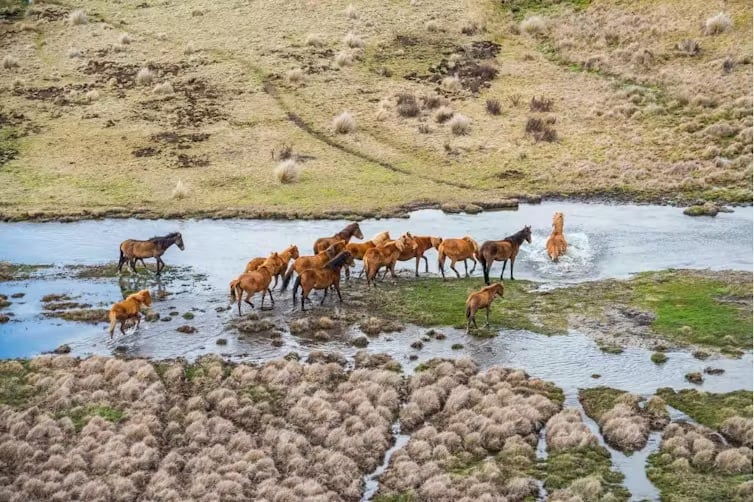
With thousands of feral horses gone, Kosciuszko National Park’s fragile ecosystems are slowly recovering.
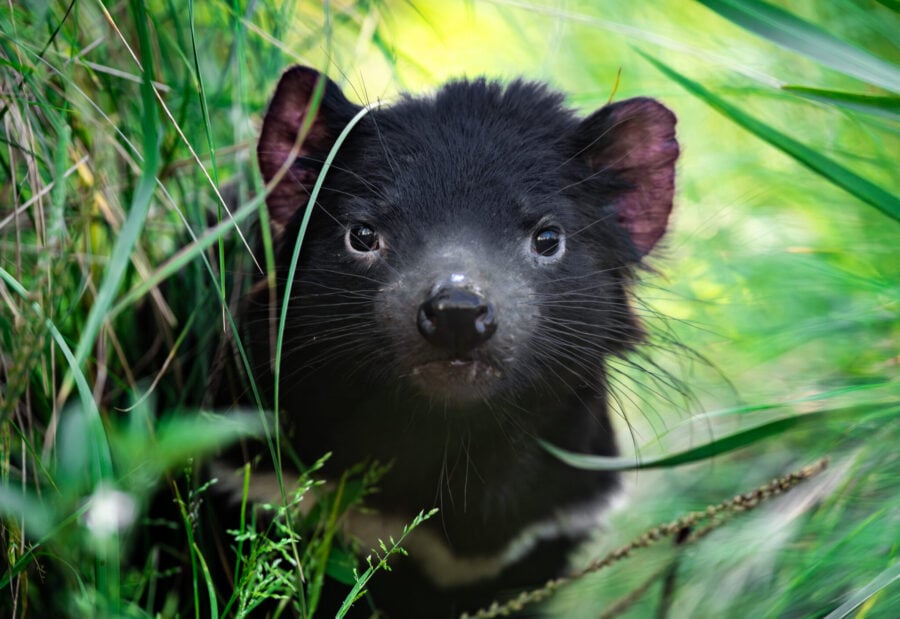
It has been 30 years since a deadly infectious cancer was first detected in the Tasmanian devil, threatening to send the species to extinction.
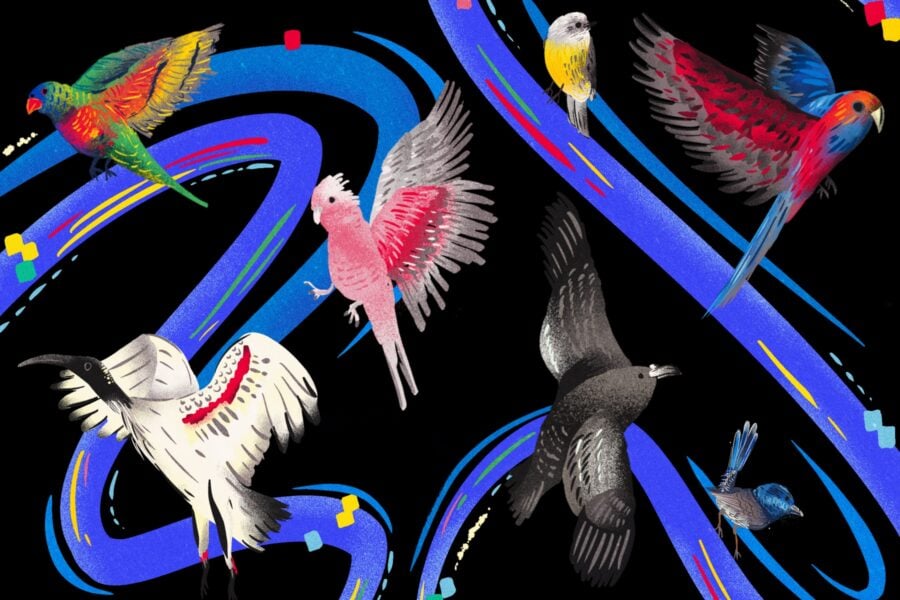
Many Australians discovered the country’s extraordinary birds during COVID. They’d always been there, but it seems we were often too busy to notice.
We’re relocating our magazine archive – and we’d rather send it to you than haul it to the new warehouse.
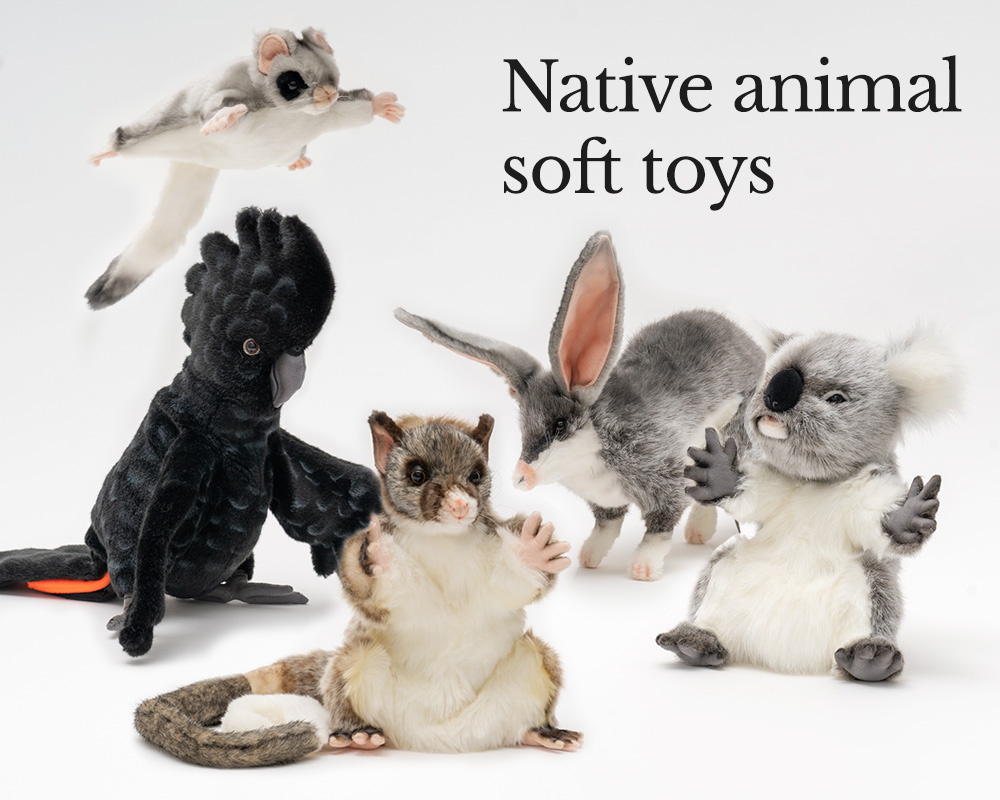
From cuddly companions to realistic native Australian wildlife, the range also includes puppets that move and feel like real animals.