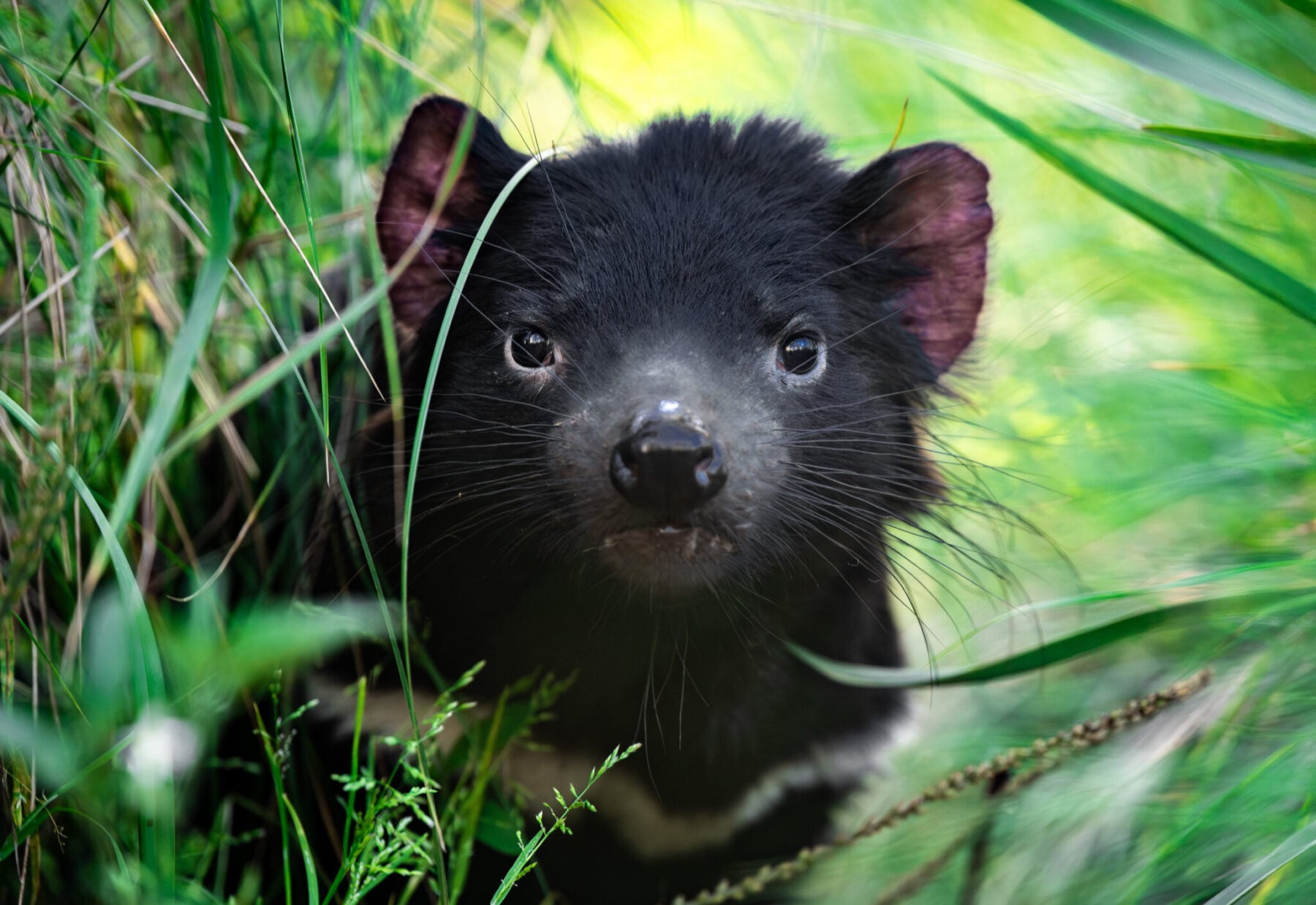
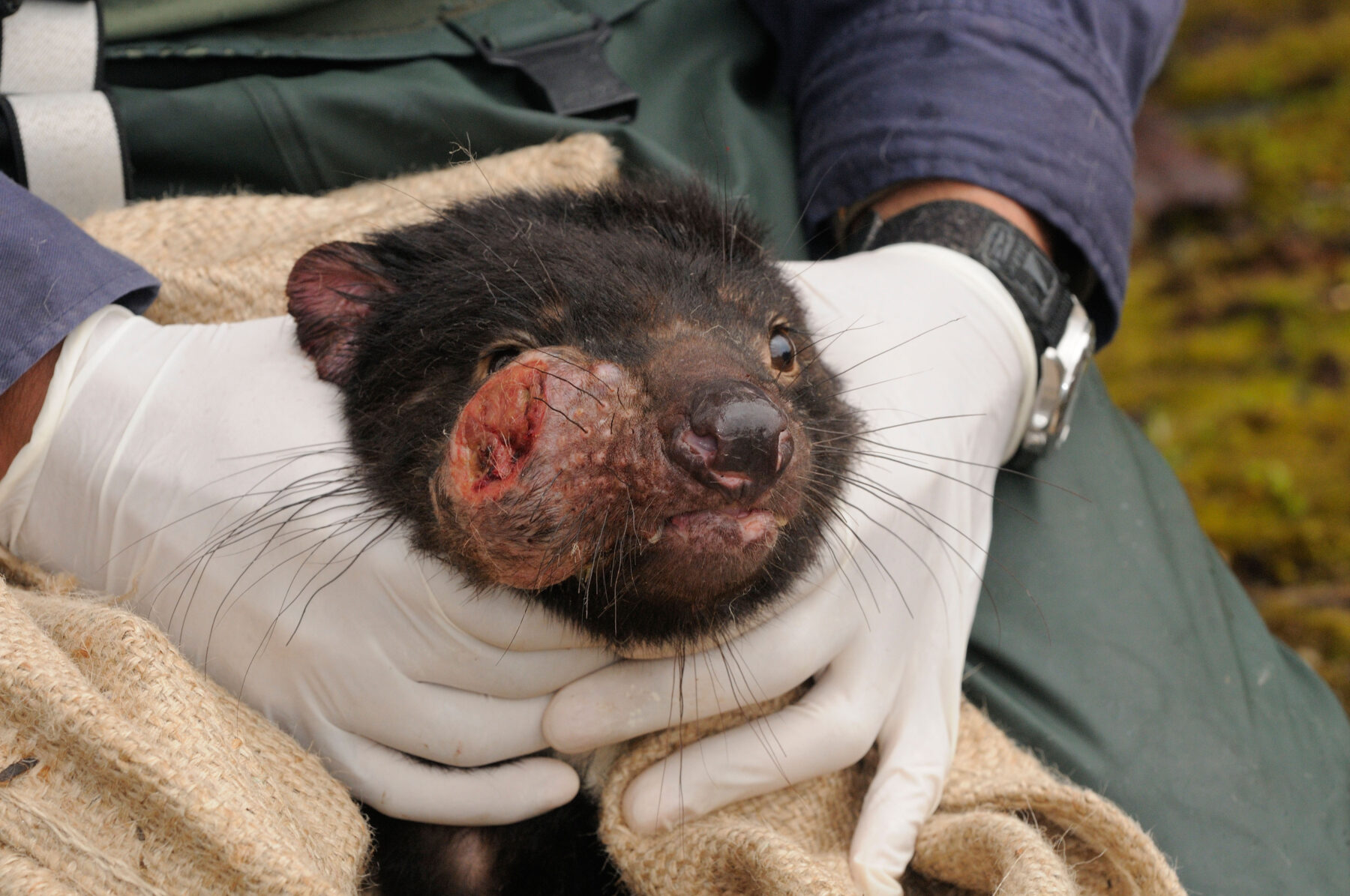
In 1999, University of Tasmania (UTAS) ecologist Professor Menna Jones travelled to Little Swanport on the state’s east coast to trap Tasmanian devils (Sarcophilus harrisii) for a population study – when she made a startling discovery: about one-third of the devils were covered in enormous, bloody tumours. By 2001 she was encountering tumoured devils further east, on the Freycinet Peninsula. At one site at the northern end of her trapline, two-thirds of the population had disappeared by 2002. “We had a disease that we’d never seen before,” Menna recalls. “It was fatal, and it was infecting lots of devils in the population, and it was spreading and causing massive population decline.”
Menna was not the first person to encounter devils infected with the transmissible cancer now known as devil facial tumour disease (DFTD). The first documented cases came in 1996, when Dutch photographer Cristo Baars snapped pictures of devils with facial tumours at wukalina/Mt William and Ben Lomond in the state’s north-east, some 50–80km north of Menna’s study sites.
Menna’s fieldwork, however, was crucial in documenting the spread of the mysterious disease and its devastating impact. “Every year, I said, ‘This is looking worse and worse and worse.’ We started to get really concerned that the disease may cause extinction,” she says. Her research would later underpin the Save the Tasmanian Devil Program (STDP), the Tasmanian Government’s official response to the disease.
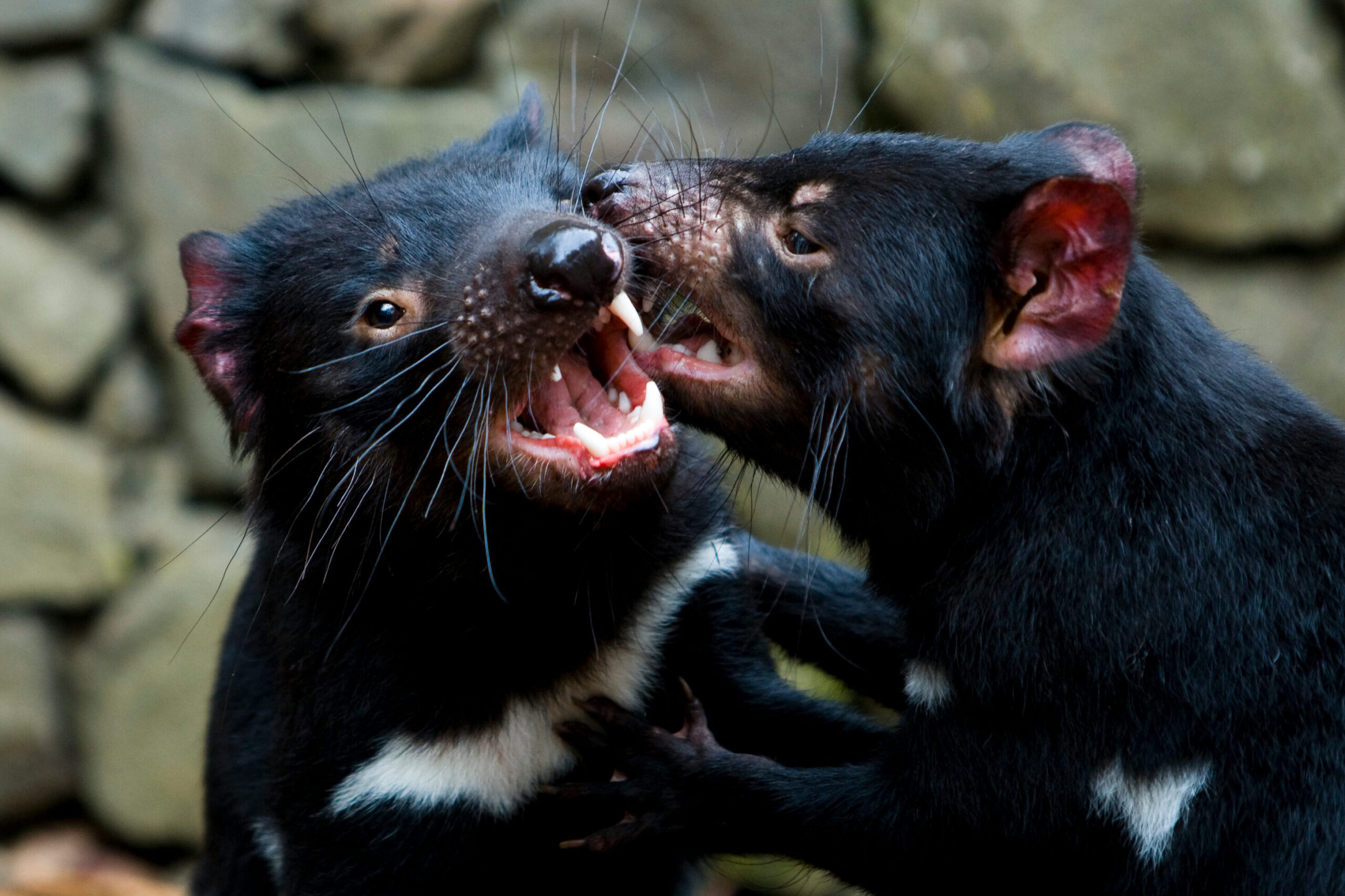
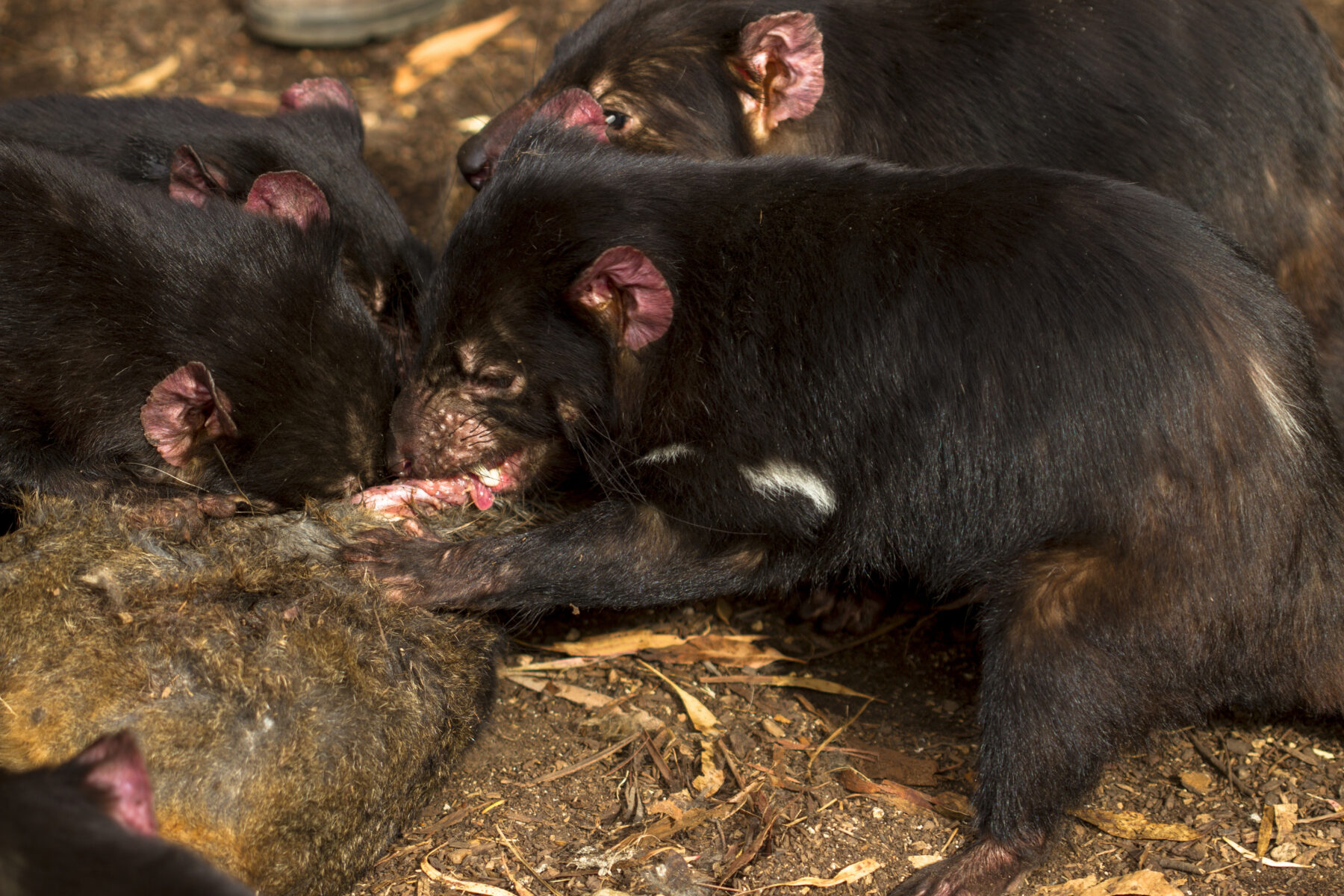
One of only a handful of known transmissible cancers globally, DFTD is spread when an infected devil bites an uninfected devil on its face – a common behaviour during mating or fighting – and transfers living cancer cells from its mouth directly into the bite wound. Infected devils eventually develop large tumours, usually in the mouth and on the head and neck. Death occurs when the cancer spreads to other parts of the body, although some devils die from starvation because the tumours limit their ability to eat.
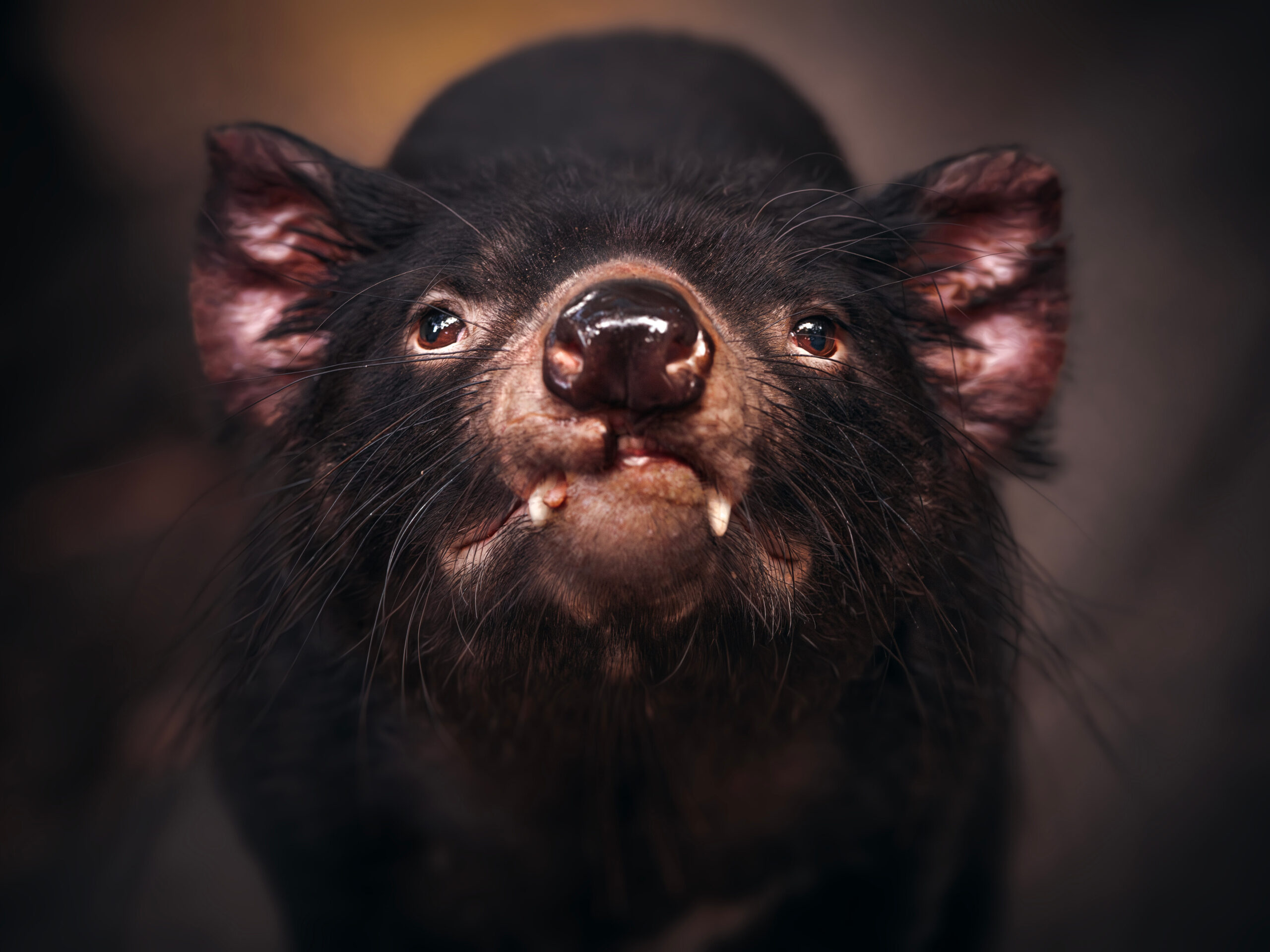
The wildlife epidemic ultimately wiped out more than two-thirds of Tasmania’s devil population, rallying university researchers, government agencies, wildlife organisations and the public in an all-hands-on-deck effort to save them from extinction. The past three decades have seen devils supported by a slew of conservation strategies – some successful, some controversial – including captive-breeding programs, selective culling, isolating healthy populations on islands, funding vaccine research, and more. According to the Zoo and Aquarium Association Australasia, more than 65 zoos, wildlife parks and sanctuaries in Australia and overseas have participated in the STDP, either through captive-breeding an insurance population or by giving a home to ‘ambassador devils’, which help raise awareness of DFTD and devils’ ecological role.
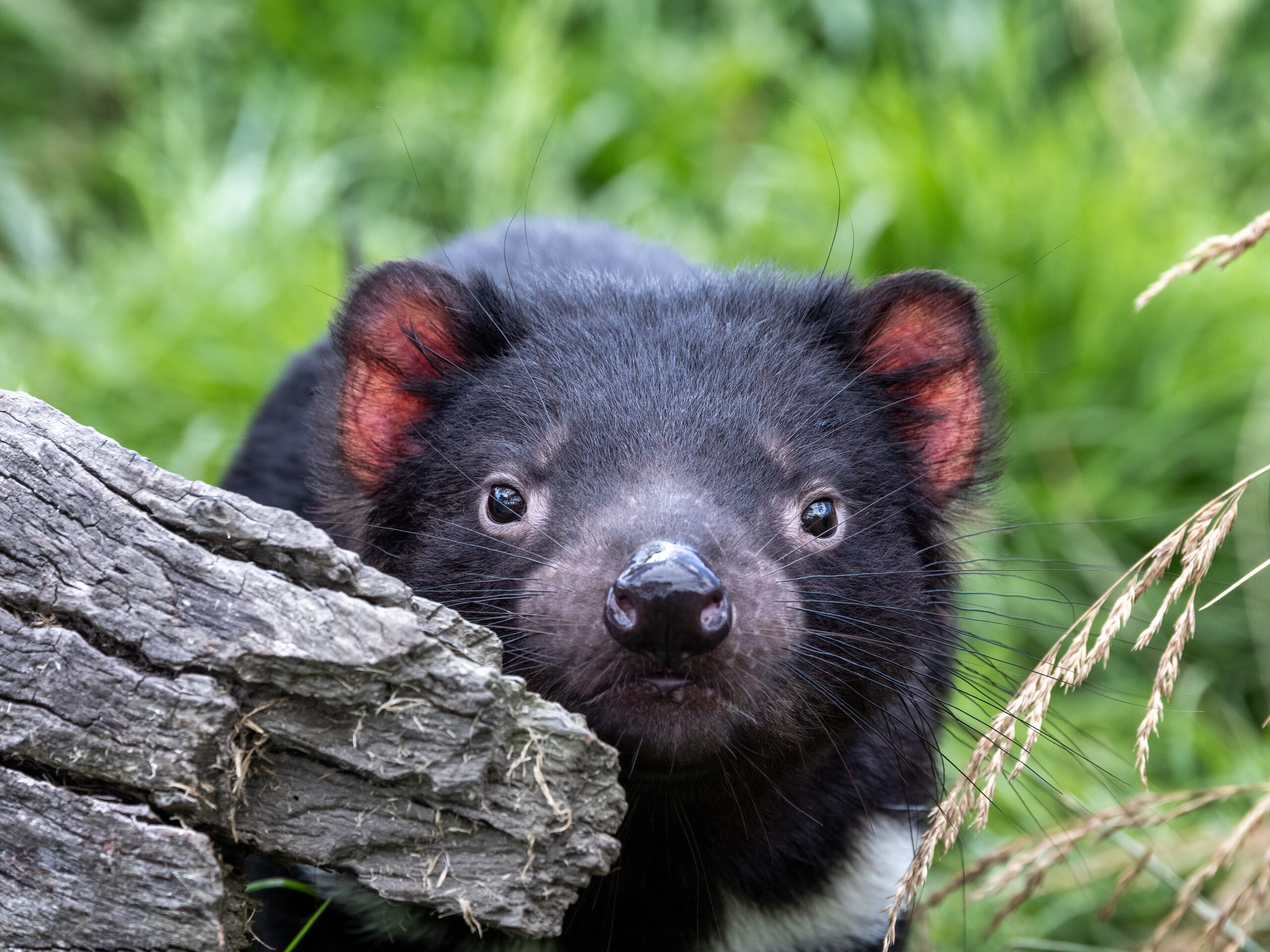
Meanwhile, tourism operators in Tasmania have added devil experiences to their itineraries, including AAT Kings, which also donates proceeds of its trips to DFTD vaccine research. Collectively, these efforts have positively influenced public opinion on this specialised scavenger and opportunistic predator – once persecuted by Europeans as a pest – and transformed it into a poster species for conservation. In 2015 the devil was crowned Tasmania’s faunal emblem, to help raise awareness of the ongoing conservation efforts for the species.
And yet, populations continue to decline. In 1996 Tasmania’s wild devil population totalled some 53,000. Current estimates now place the population at 15,000, a slight decrease from 17,000 in 2021. Population declines are forecast to level off in 2030 with about 12,000 devils.
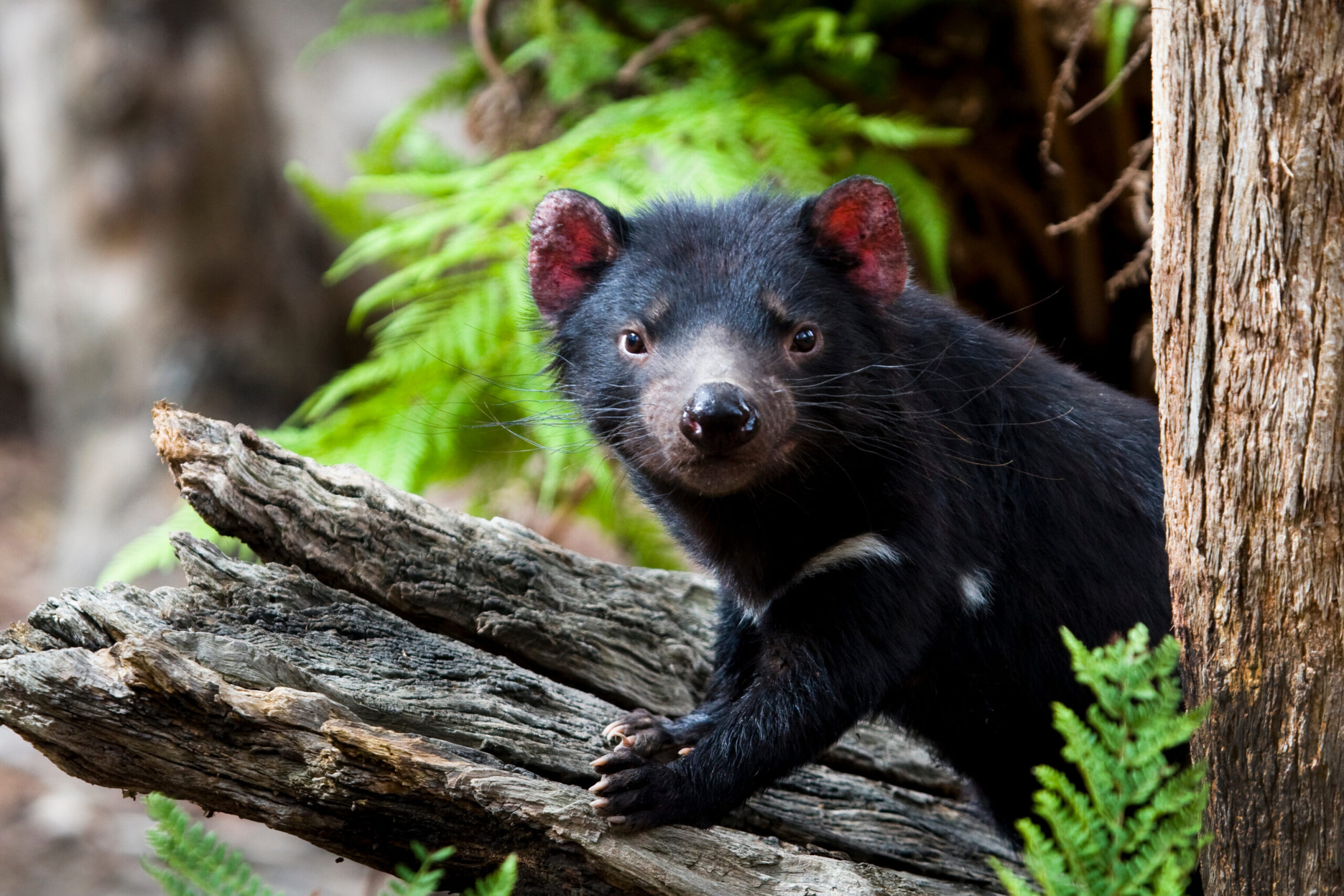
So, is there cause for concern for the devil’s future? Menna doesn’t think so. “The remaining population decline is due to the tumour only recently spreading to the west coast, where devils have no evolutionary history of the disease, and so [they] are not resistant,” she says. Backed by 25 years of field data, she says these declining western populations will eventually recover.
While DFTD has caused population declines of up to 80 per cent in some areas, it has never caused a local extinction. Menna saw tumour regression in some devils in the early 2000s and now, many generations later, it’s becoming more common. “The animals that have a genetic makeup that better enables them to fight the cancer are the ones that survive, so the proportion of the population that’s resistant increases,” she says. “We’re now seeing, over a very wide geographic area, a range of responses where some devils live to old age with tumours, and some tumours get smaller. Sometimes they disappear.”
Menna says the most robust populations are now found in the state’s north-east, where the epidemic began. “Devils have recovered to about half of their original population on the Freycinet Peninsula, and the population appears stable,” she says. “The tumour is evolving and the devils are evolving, and I think at the moment the devils are out of danger. They’re not going to go extinct.” She says that “a small number of genes are associated with increased survival”, so there hasn’t been a loss of genetic diversity.
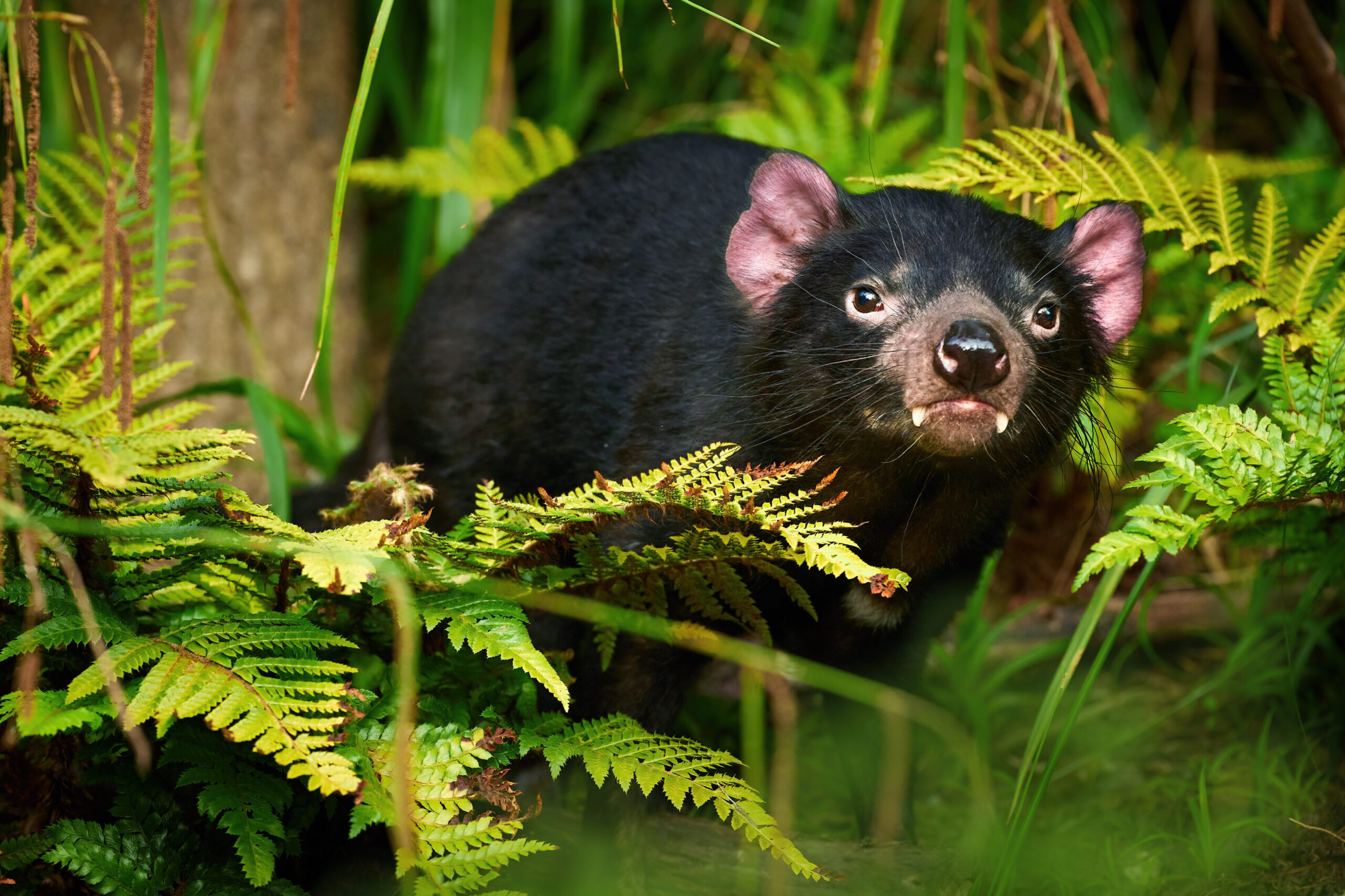
Menna compares DFTD to canine transmissible venereal tumour (CTVT), which emerged between 4000 and 11,000 years ago in early domesticated dogs in Asia. Today, CTVT is rarely fatal because most dogs have evolved resistance against the disease. Menna expects that DFTD, much like CTVT or any other disease, will always be in the population and cause mortality, just not to the same extent as before. “The tumour will be just something that some individuals are susceptible to and die from, and others are resistant to,” she says. “The epidemic has died out. Sophisticated modelling, also used in emerging human diseases like COVID-19, show it’s now an endemic disease.”
Not everyone agrees, however.
New questions
The question of whether DFTD has settled into its endemic phase has been debated in a flurry of scientific papers, with plenty of rebuttal from both sides. Veterinarian Dr Ruth Pye, from the UTAS Menzies Institute of Medical Research’s Devil Immunology Group, is reluctant to call it endemic. “There hasn’t been any convincing evidence for increased survival in these populations that seem to have had a genetic response to the tumour,” she says.
Ruth joined UTAS’s vaccine team in 2013 as a PhD student after five years working on a dog sterilisation project in Ladakh, India, where she had treated dogs with CTVT. Soon after beginning her PhD at UTAS, she collected cell samples from a tumour-ridden devil around Cygnet, on the D’Entrecasteaux Peninsula in southern Tasmania, that tested negative for the disease. A few months later, she collected a second tumour sample that produced the same negative results. Genetic screening revealed the two samples, taken from different devils, had identical chromosomal arrangement. It meant there was a second transmissible cancer out there.
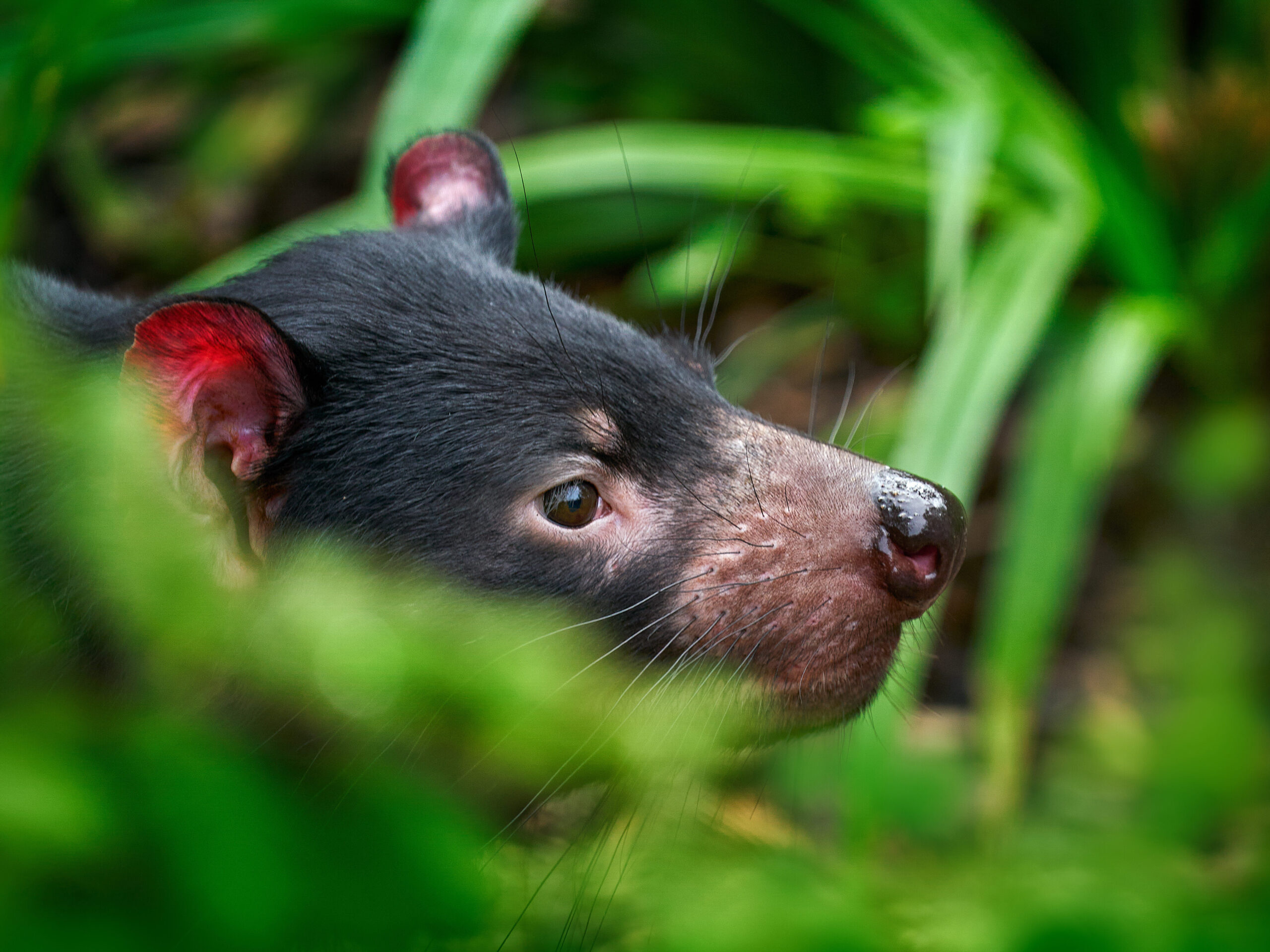
Today, DFT2 – the second transmissible cancer – remains concentrated in the Channel region. Ruth says DFT2’s discovery “added to the complexity” of the disease and, for the first time, made them “aware that a third transmissible cancer could appear”.
Menna agrees. She says DFT2 was a “completely separate evolutionary event” to DFT1, prompting new questions about the disease’s origins. “We have absolutely no evidence of [devils having] transmissible tumours in the past, but in the last 25 years, they’ve now evolved two. So maybe there’s something in the genetic makeup of devils that predisposes them to transmissible tumours,” she says.
DFT2 was discovered in 2014, at a time when things were beginning to look up for devils; their evolving resistance had set aside fears of extinction, and Ruth and her colleagues at the Devil Immunology Group were at the tail end of vaccine trials on captive devils. Immunologist Professor Greg Woods had formed the group in 2006 to study how the devil’s immune system responds to DFTD, with the ultimate aim of developing a vaccine. When vaccine trials began in 2010, the results were encouraging. Five years later, the first cohort of vaccinated devils were released into the wild at Narawntapu National Park in northern Tasmania. It soon became clear that against a natural DFTD challenge, the vaccine wasn’t effective like it was in the lab, so the researchers returned to the drawing board. A new candidate vaccine is now underway.
Ruth explains there are two main ways to make a cancer vaccine. The first is to develop a vaccine using the whole tumour cell, which provides the immune system with every possible antigen to react to. Ruth says the downside of this approach – used in the unsuccessful first vaccine – is that it’s chock-full of “unnecessary or distracting antigens”. The second method – used in the current vaccine – is to identify tumour-associated antigens from the whole tumour cell, isolate them, and then insert them into a virus specially modified for the vaccine.
Ruth hopes captive trials for the current vaccine will begin sometime by mid-2026. The vaccine will likely go through a few iterations before it’s distributed, to ensure it contains the right antigens. If successful, the vaccine will be delivered to wild devils using oral baits. Researchers are now refining oral bait delivery through a series of trials aimed at understanding devils’ bait preferences and how to stop off-target species from eating them.
Living with disease
Conservation efforts over the past few decades have shifted gears away from disease containment and eradication towards supporting devils to coexist with the disease. At the beginning of the outbreak, selective culling – removing all infected devils from a population – was trialled on the Forestier Peninsula, but was quickly ruled out as ineffective. “We did that trial for about three years and then we modelled the results, and it made absolutely no difference to the spread of the disease and the population decline,” Menna says.
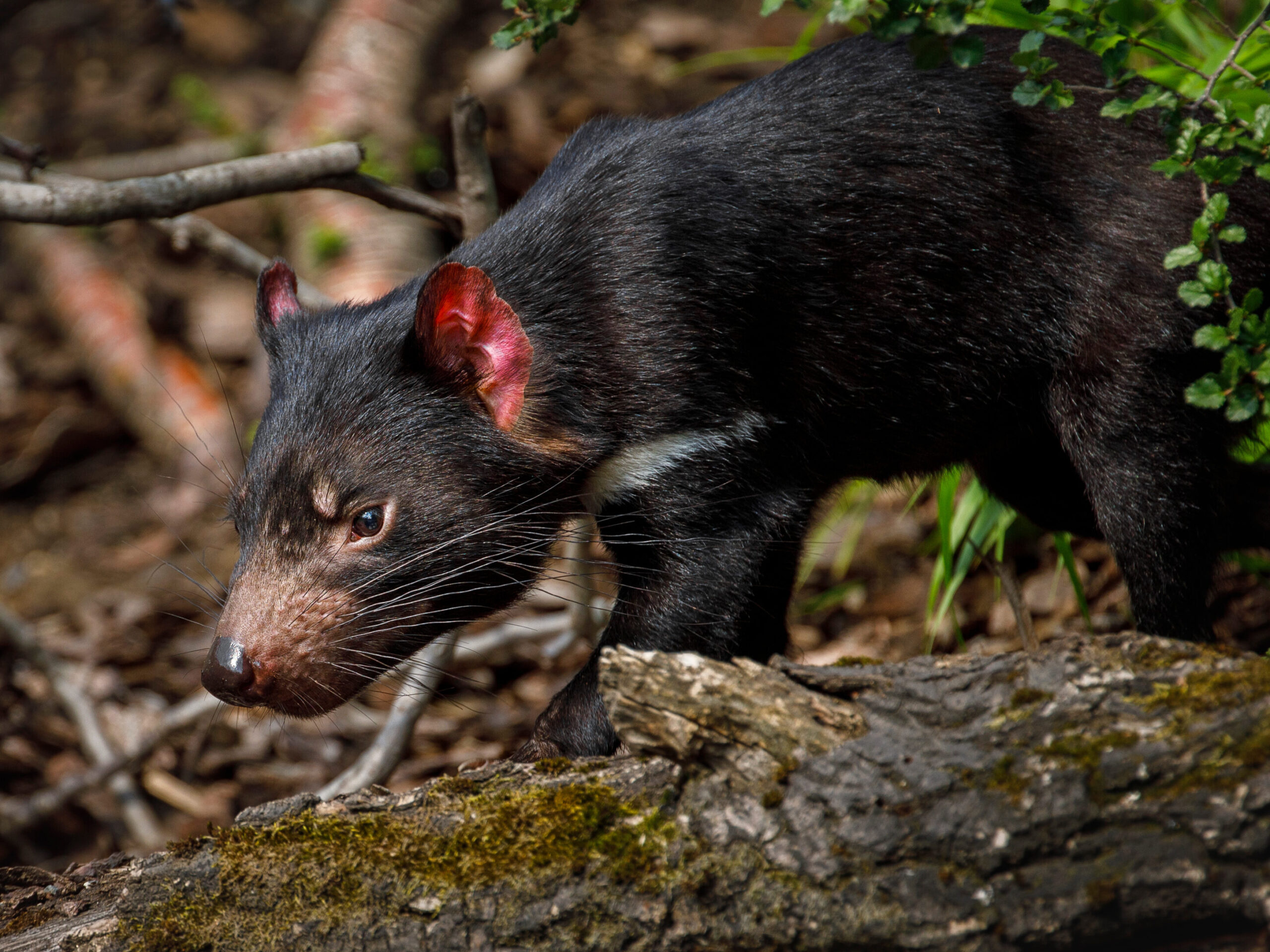
The only way to shield a population from DFTD was to isolate it on an island. In November 2012, 15 captive-bred devils were released on Maria Island, off the state’s east coast – the first captive-bred devils to be released into the wild. More releases followed, both on Maria Island and, from 2015, mainland Tasmania. The mainland releases came with heavy roadkill losses because the captive-bred devils were naive about cars; one group, released on the Forestier Peninsula in November 2015, lost a quarter of its devils to roadkill within a month of release. Now, all devils bred in captivity are sent to Maria Island first to expose them to wild conditions – without cars – before being relocated to other parts of the state to supplement wild populations.
The decision to introduce devils onto Maria Island became one of the most controversial conservation strategies of the past 30 years because of the devil’s impact on its native bird population. Within four years, devils wiped out the island’s short-tailed shearwater and little penguin colonies. It also halved the island’s possum population (and killed many feral cats).
Menna acknowledges the impact the devils have had on the island but says it’s reversible; birds will recolonise over time once devils are taken off the island. She says it was “really important to have a natural population that was safe” at that time because of the ways animals adapt to captivity, but adds, “If we get at some point in the future where devils really have recovered and we’ve got a robust, disease-resistant population on the mainland of Tasmania, I think devils should come off Maria Island.”
But the fact that wild devils seem to be evolving resistance also raises ethical questions in relation to those raised in captivity, which haven’t been exposed to the disease. “People say, ‘Oh, well, we’ve got to protect the healthy populations’ – but the healthy are really susceptible to disease,” Menna says. “Animals that have been put into captivity and put on islands, if you release them back into the wild, they’ll just drop like flies. We’ve got these insurance populations if we need them still, but if we don’t intervene, the most healthy, robust populations are the ones that have evolved resistance.”
Going forward, Menna thinks the best thing to do is not intervene. “I think we need to take a big step back and just let nature take its course and not interfere with that process. That includes trying to reintroduce new stock into populations, and probably even vaccines… [because] both of those drive evolution, and they’re going to potentially detrimentally alter the natural evolution and water it down,” she says. “Keep the insurance populations going, keep the research going so we learn more about those things – but just let nature take its course, and we’ll end up with the most robust devil population into the future.”
Ruth, however, doesn’t think it’s time to take a back seat. She says that while the general consensus is that DFT1 – the first documented cancer – won’t cause extinction, “What happens if DFT2 gets into the wider population? That’s uncertain.” Low population densities might also render devils functionally extinct, because there are too few individuals left to carry out the species’ ecological role.
Ruth is also concerned about reduced genetic diversity in the surviving devils. What makes DFTD so devastating is its ability to ‘hide’ from the immune system by downregulating the major histocompatibility complex (MHC) molecule, which helps the immune system distinguish normal body cells from harmful invaders. Without these signals, the immune system doesn’t recognise the tumour cells as foreign, so a response isn’t launched against it. The devils that can mount an immune response against DFTD, however, do this by producing special antibodies that recognise MHC markers on the cancer cells. These devils tend to have a particular genotype – set of genes – that’s missing an MHC gene.
The University of Sydney’s Australasian Wildlife Genomics Group spent a decade collecting genetic samples from nine sites across Tasmania and found this particular genotype is becoming more common. “While that [missing MHC gene] might bode well for the devils as far as responding to DFT1, it means you’ve got reduced MHC diversity,” Ruth explains. “That leaves them vulnerable to either current or future pathogens, because MHC diversity is critical for a species’ ability to respond to disease threats.” She says a vaccine would both protect devils against the disease and help preserve MHC diversity.