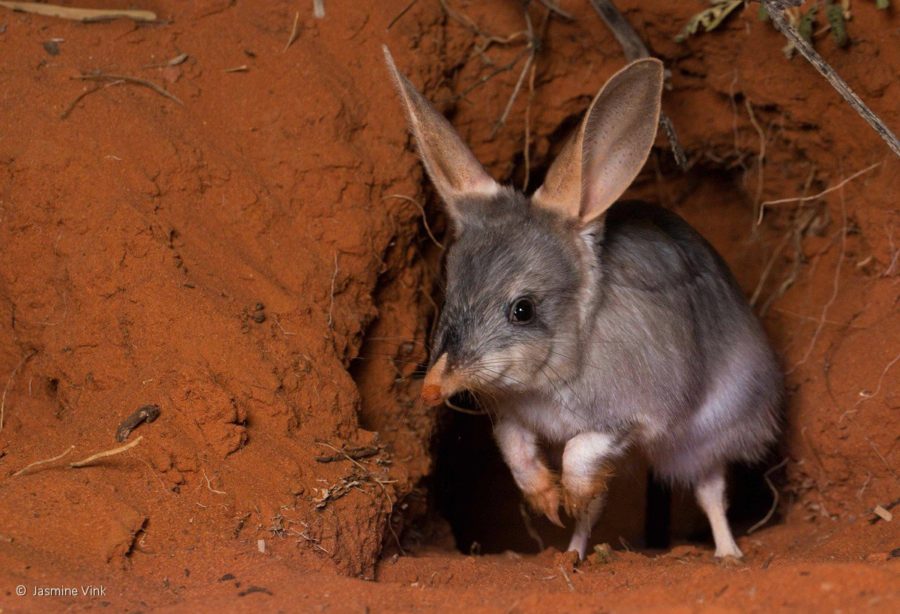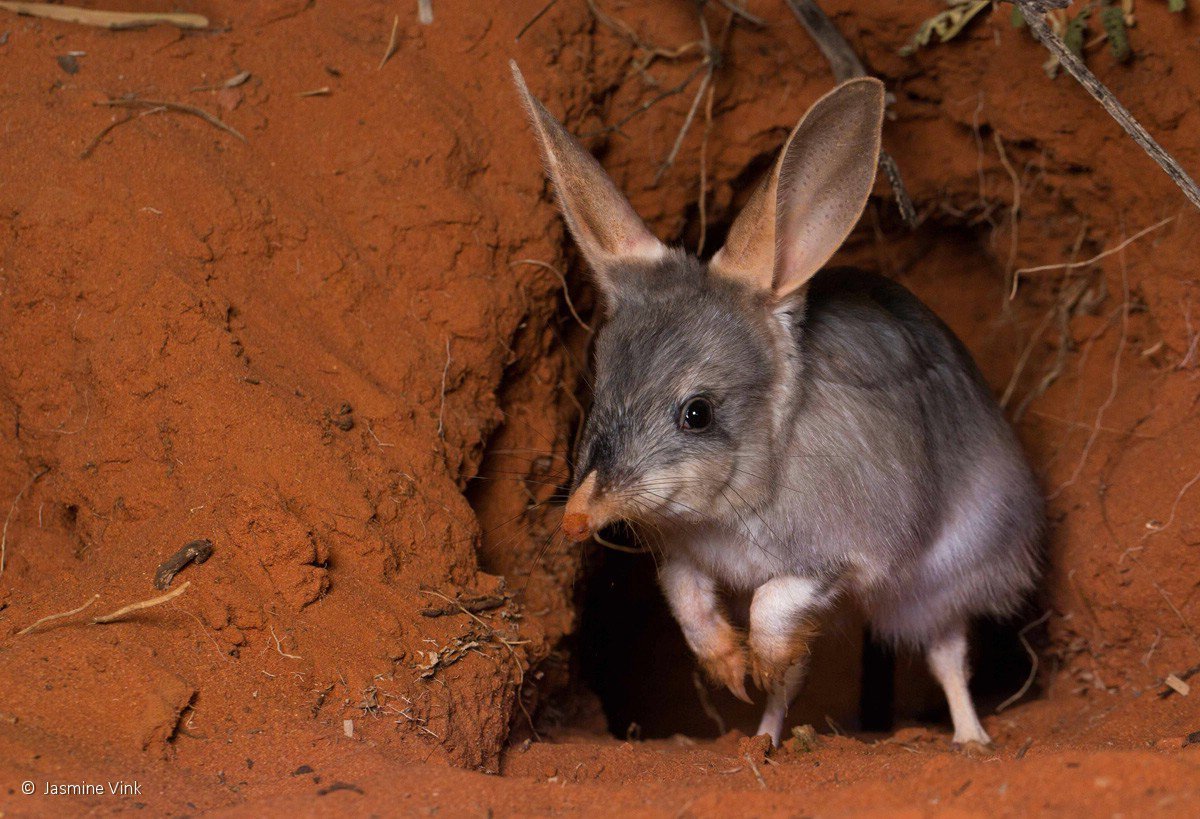

The Arid Recovery Reserve is surrounded by a feral predator proof fence, which allows the native inhabitants to live naturally. Feral species are continuing to have a dramatic impact on our wildlife. Safe haven reserves like this are important to safeguard susceptible native species until a solution can be found.
Arid Recovery Reserve, South Australia
Canon EOS 5D Mk III, EF 100mm f/2.8L macro IS USM, 1/160, f/10, ISO 1000, handheld Speedlite with soft box
Photo Credit: Jasmine Vink, Queensland
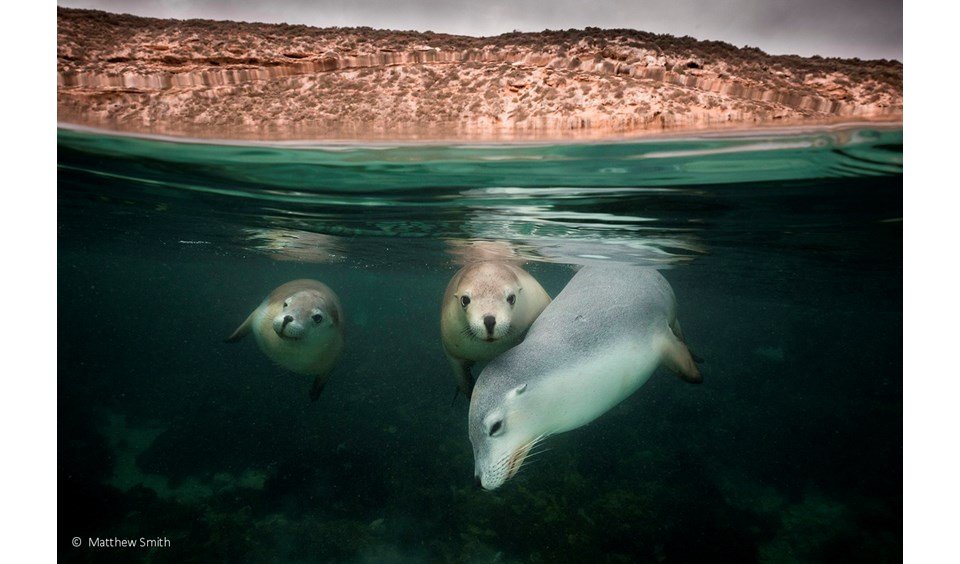
AUSTRALIAN SEA LION FAMILY PORTRAIT
AUSTRALIAN SEA LION, NEOPHOCA CINEREA
STATUS: ENDANGERED
The endangered Australian sea lion is one of the most playful of all the pinnipeds. I waited until all the other snorkellers had exited the water and the high energy games calmed down. The sea lions settled and became comfortable with my presence, enabling me to shoot this intimate family portrait.
Hopkins Island, South Australia
Nikon D810, Nikkor 14–24mm f/2.8 ED, 1/250, f/16, ISO 800, two INON Z240 strobes, Aquatica digital water housing, homemade 16.8-inch acrylic port
Photo Credit: Matty Smith, New South Wales
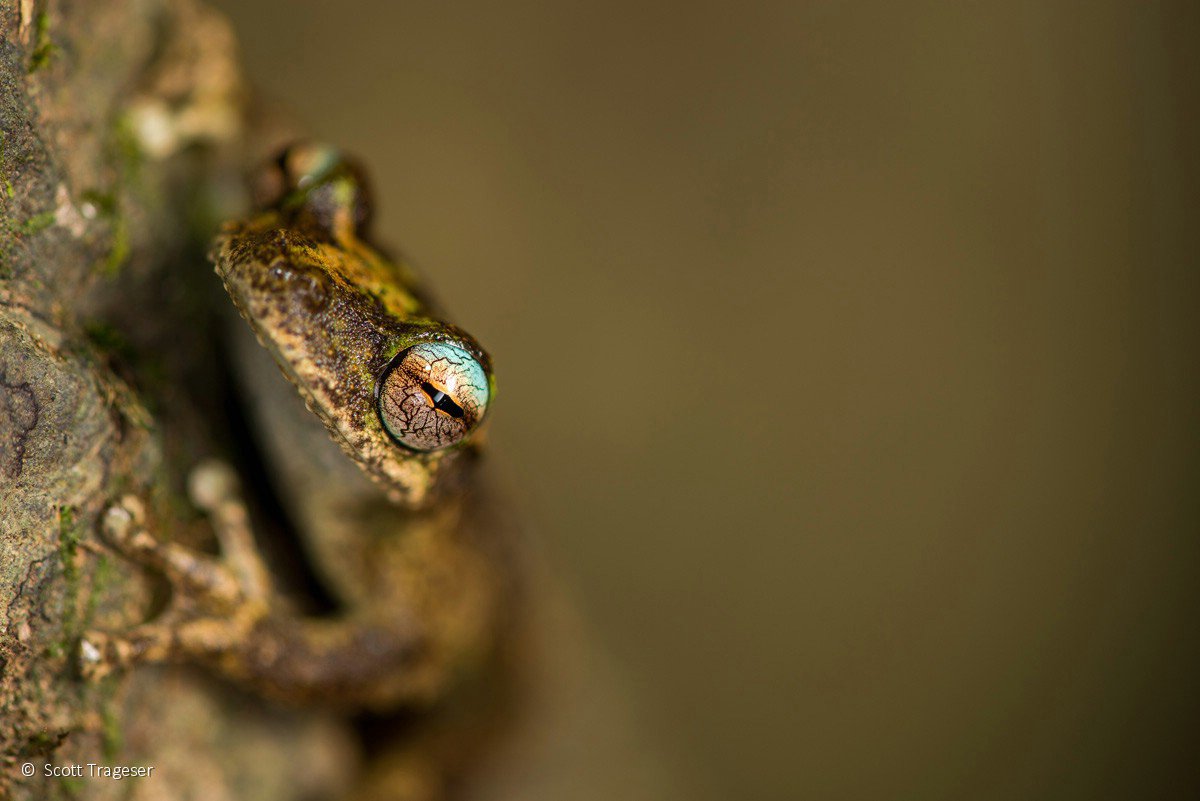
KURANDA TREE FROG
KURANDA TREE FROG, LITORIA MYOLA
STATUS: CRITICALLY ENDANGERED
The Kuranda tree frog (Litoria myola) is found only within 1350ha around Kuranda, Queensland. Although their population varies year to year based on rainfall, fewer than 1000 breeding adults are thought to exist. Habitat destruction, fragmentation and upstream disturbances threaten this frog’s survival.
Kuranda, Queensland
Nikon D800E, Nikkor 105mm f/2.8 ED, 1/320, f/7.1, ISO 100, Nikon SB900 on hot shoe, Nikon SB700 off -hand
Photo Credit: Scott Trageser, USA
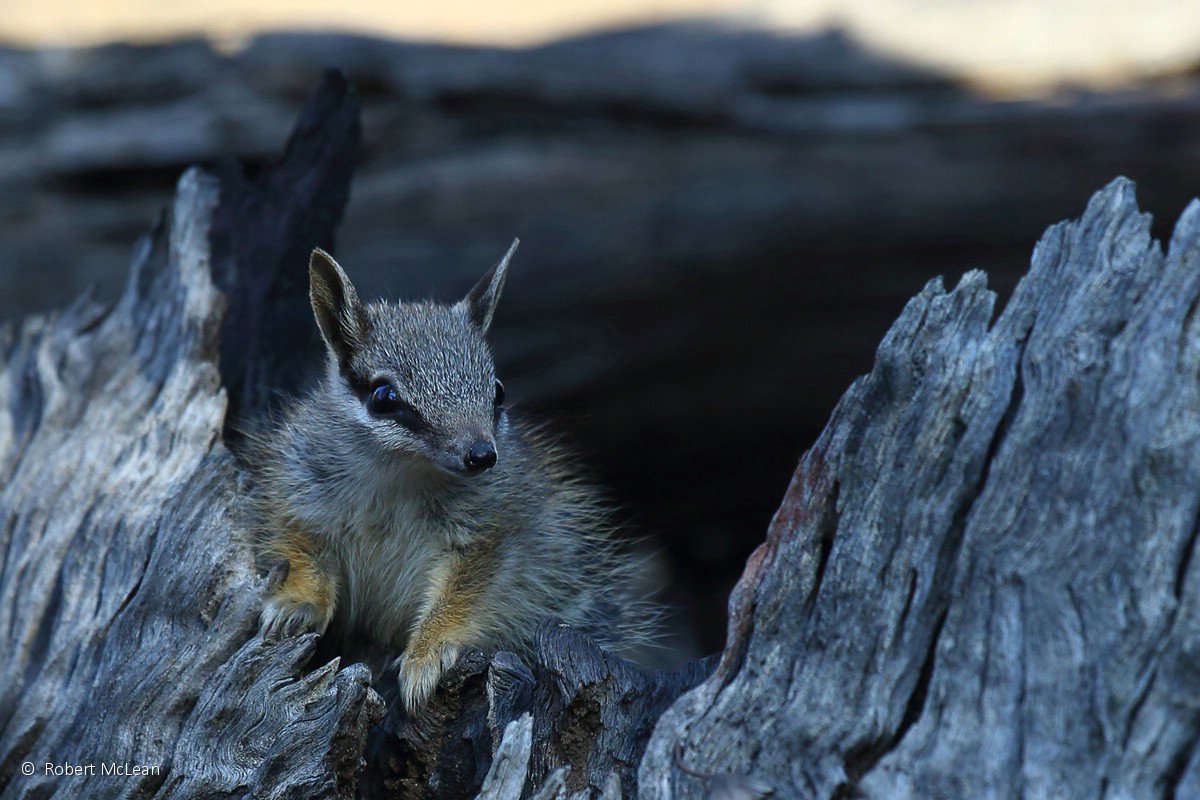
NUMBAT DREAMING
NUMBAT, MYRMECOBIUS FASCIATUS
STATUS: ENDANGERED
A young numbat looks out from the safety of its burrow in a burnt-out stump. The numbat is now rarer than the giant panda; their main threats are predation by feral cats and foxes and land-clearing. Sadly, the numbat will remain in the threatened species category for a while yet.
Dryandra Woodland, Western Australia
Canon EOS 5D Mk III, Canon EF 100–400mm f/4.5–5.6L IS USM, 1/200, f/8, ISO 500, handheld
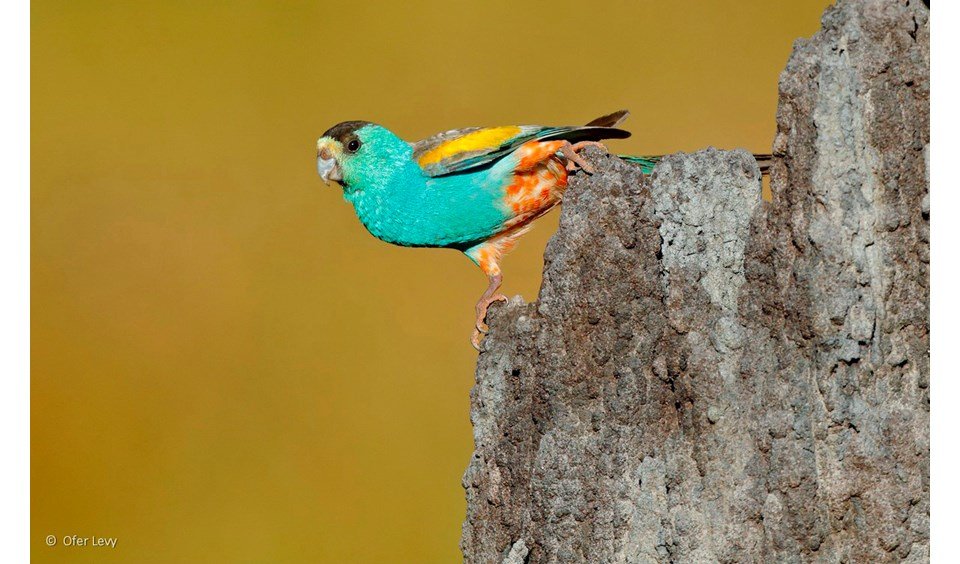
The golden-shouldered parrot inhabits open forested grassland and builds its nest in the taller magnetic termite mounds. It is listed as endangered (CITES I), with population surveys pointing to a total wild population of about 2000 birds, with about 300 breeding pairs. Their numbers are decreasing.
Far north Queensland
Canon EOS 1D Mk IV, Canon 800mm f/5.6L IS, 1/1600, f/10, ISO 1250, tripod from a hide
Photo Credit: Ofer Levy, New South Wales
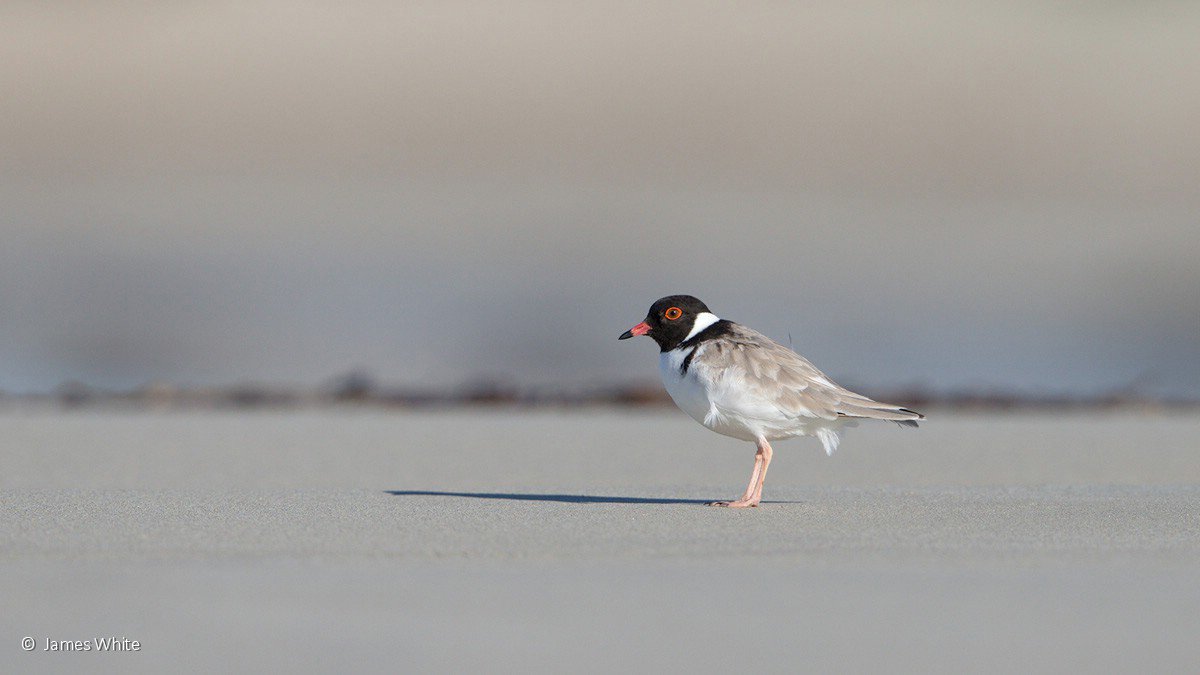
HOODED PLOVER
HOODED PLOVER, THINORNIS CUCULLATUS
STATUS: VULNERABLE
I selected this image because it shows the beauty of the hooded plover and its habitat, but also the harshness of where it lives and breeds. Nests are often simple scrapes on the beach where there is little protection from mother nature, often resulting in nests being washed away.
Killarney, Victoria
Canon 1DX, Canon 500mm f/4L IS II USM and Canon 1.4 extender III, 1/2000, f/7.1, ISO 320, Wimberley gimbal head on skimmer pod
Photo Credit: James White, Victoria
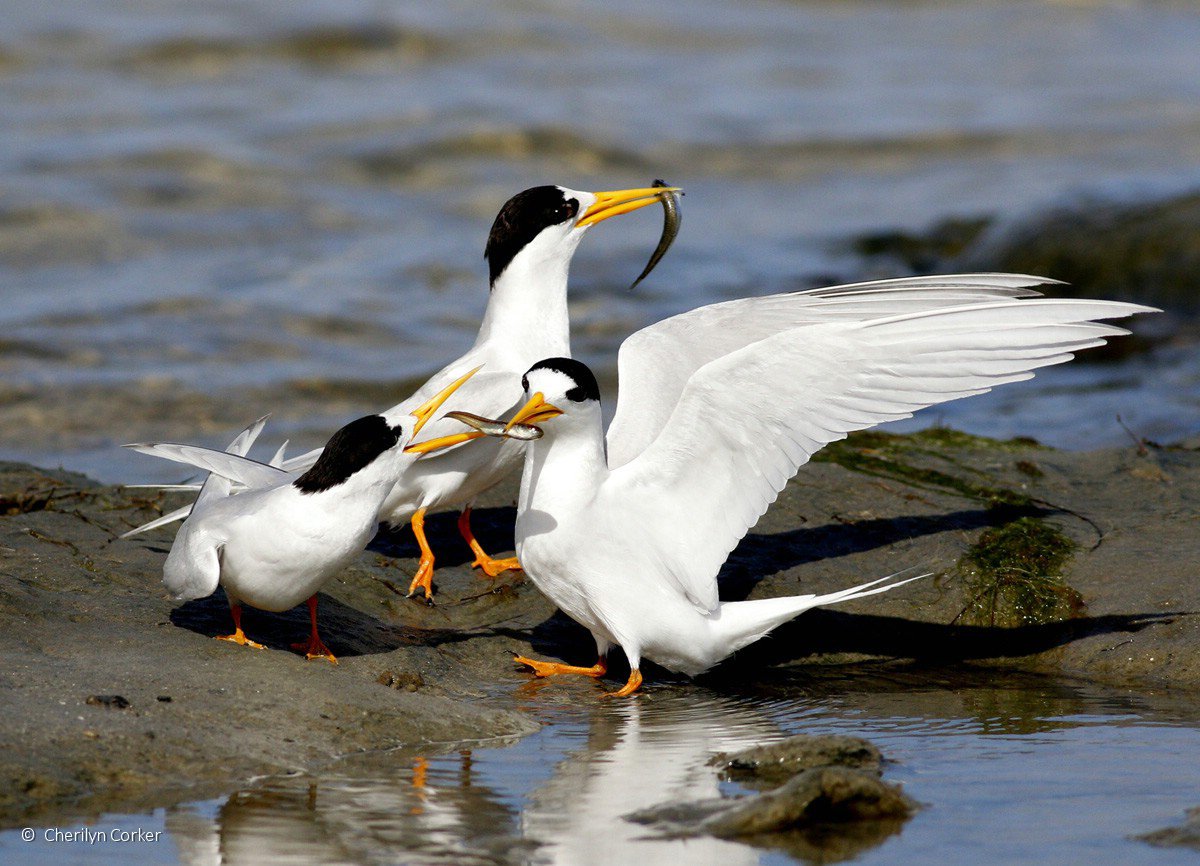
MIND YOUR MANNERS
FAIRY TERN, STERNULA NEREIS
STATUS: VULNERABLE
The fairy tern’s courtship ritual involves the males bringing gifts of fi sh prior to mating. One male was doing his best to woo a rather indiff erent female. When a second suitor arrived the female tried to snatch the fi rst off ering, putting a swift end to the budding romance.
Nairns, Western Australia
Canon 7D Mk II, 400mm, 1/6400, f/6.3, ISO 640, handheld
Photo Credit: Cherilyn Corker, Western Australia
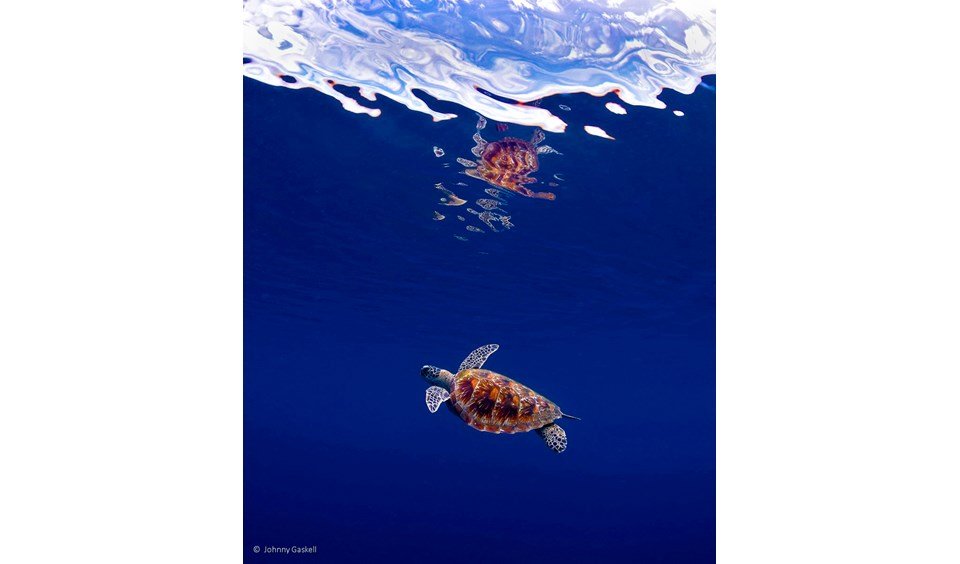
TURTLE REFLECTION
GREEN SEA TURTLE, CHELONIA MYDAS
STATUS: ENDANGERED
On an early morning snorkel off the south-western shelf at Heron Island, this green sea turtle actually came out of the deep to look at us. We were more surprised than it, I think. It hung out with us for a while and then faded back into the blue.
Heron Island, Queensland
Nikon D7200, Tokina 10– 17mm, 1/160, f/13, ISO 320
Photo Credit: Johnny Gaskell, Queensland
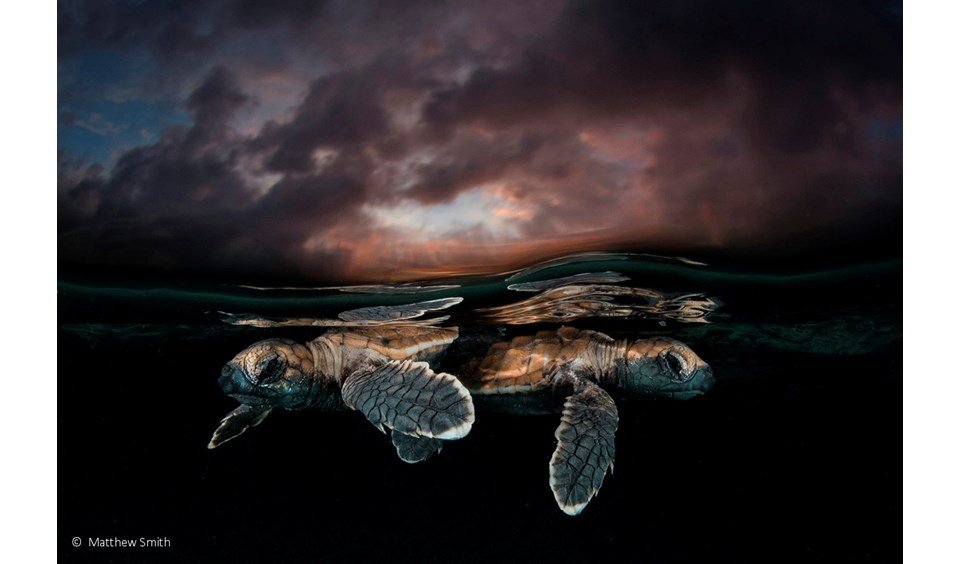
MAYBE 2 IN A 1000
HAWKSBILL TURTLE, ERETMOCHELYS IMBRICATA
STATUS: CRITICALLY ENDANGERED
As the sun sets over the Bismarck Sea, two newly hatched hawksbill turtles swim past my waiting camera. They have a long, hard struggle ahead of them to reach maturity; only one in a thousand will survive.
Lissenung Island, Papua New Guinea
Nikon D500, Nikkor 10.5mm f/2.8 E ED fisheye, 1/15, f/22, ISO 320, two INON Z240 strobes, Aquatica digital water housing and 4-inch glass port
Photo Credit: Matty Smith, New South Wales
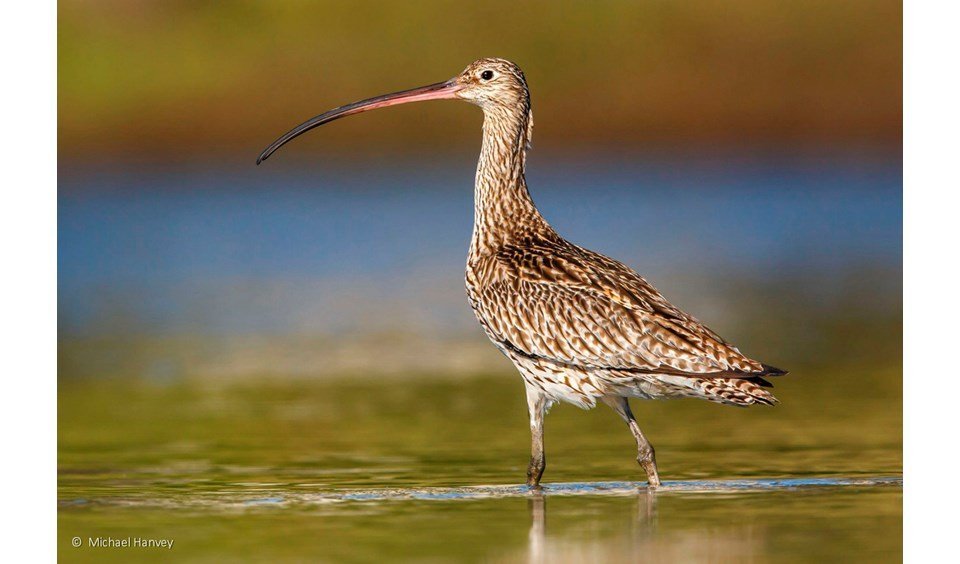
FITS THE BILL
EASTERN CURLEW, NUMENIUS MADAGASCARIENSIS
STATUS: ENDANGERED
A slow approach on my belly got me close enough for great views of this eastern curlew. Sadly, these wary, migratory shorebirds, once common in Australia, are now listed as endangered internationally and critically endangered in this country.
Stockton Sandspit, Newcastle, New South Wales
Canon EOS 5D Mk III, Canon EF 600mm f/4L IS II USM + 1.4X III, 1/3200, f/8, ISO 500, handheld with beanbag support
Photo Credit: Michael Hanvey, New South Wales
The AG Nature Photographer of the Year Awards are sponsored by Coral Expeditions.
Photo Credit: Coral Expeditions
HomeTopicsWildlifeAG Nature Photographer of the Year 2018: Threatened species shortlist
AG Nature Photographer of the Year 2018: Threatened species shortlist
In this category, we asked for photos of flora or fauna that have been deemed threatened, rare, vulnerable or endangered. This shortlist is a reminder of how many beautiful animals face extinction if we do not act. These photos will be exhibited at the South Australian Museum in Adelaide (24 August – 11 November 2018 ) and the Australian Museum in Sydney (24 August to 27 January)