OPINION: Conservation coup or cop-out?
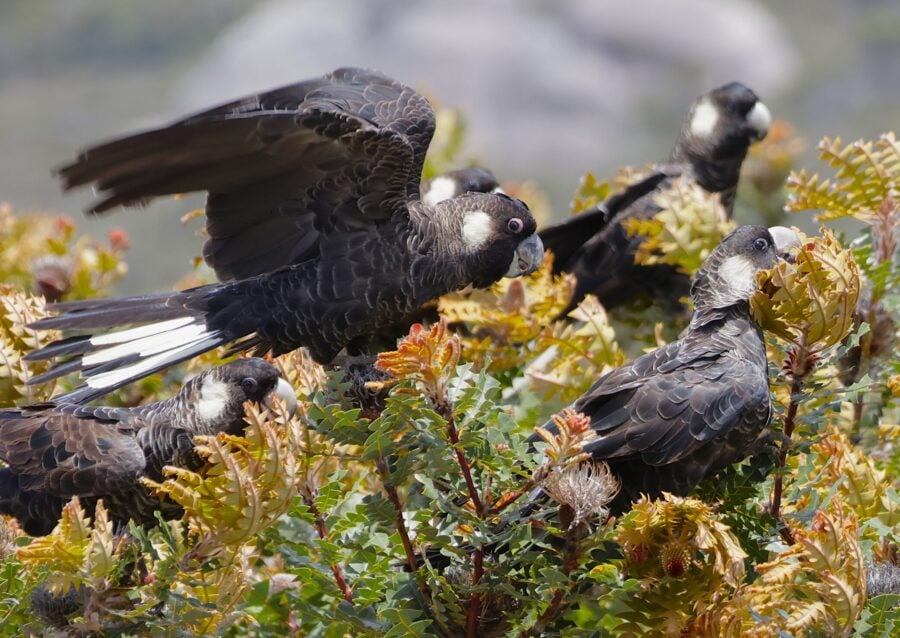
In late November I stood in far south-west Western Australia’s coastal heathland, watching a group of Carnaby’s black-cockatoos clowning and squealing among the banksias. One would land floppily atop a bush, and its neighbour, affronted by its proximity, would scream at it while clutching a piece of banksia cone as though shaking its fist. The birds flapped noisily, eating and interacting like a large and boozy family at Christmas. Days later, this family’s future was being debated in Canberra’s Parliament House – not just its future, but that of thousands of other threatened species, ecosystems, and natural places beloved by Australians.
Australia’s Environment Protection and Biodiversity Conservation Act was introduced to protect all this. But in the 25 years it has been in place, it has failed. Our most-threatened species have continued to decline. And yet, under the Act, governments have repeatedly decided in favour of removing more and more of their habitat – 99 per cent of applications to do so are approved. The losses of nature accumulate, each one excused as small, or a price worth paying. With less food, nesting, and roosting habitat, the Carnaby’s black-cockatoo and thousands more species continue to decline. It ain’t rocket science.
This travesty was expressed bluntly by Professor Graeme Samuel in his scathing 2020 review of the Act, which recommended a complete overhaul and set out key requirements of new laws. The centrepiece of his proposal was a set of national environmental standards requiring decision-making to leave threatened species and ecosystems better off – and strong restrictions on ministerial discretion to bypass this requirement. Done well, the envisaged laws would lead to wins for nature but also benefit industry by providing clear, consistent, and faster approvals or rejections of proposals.
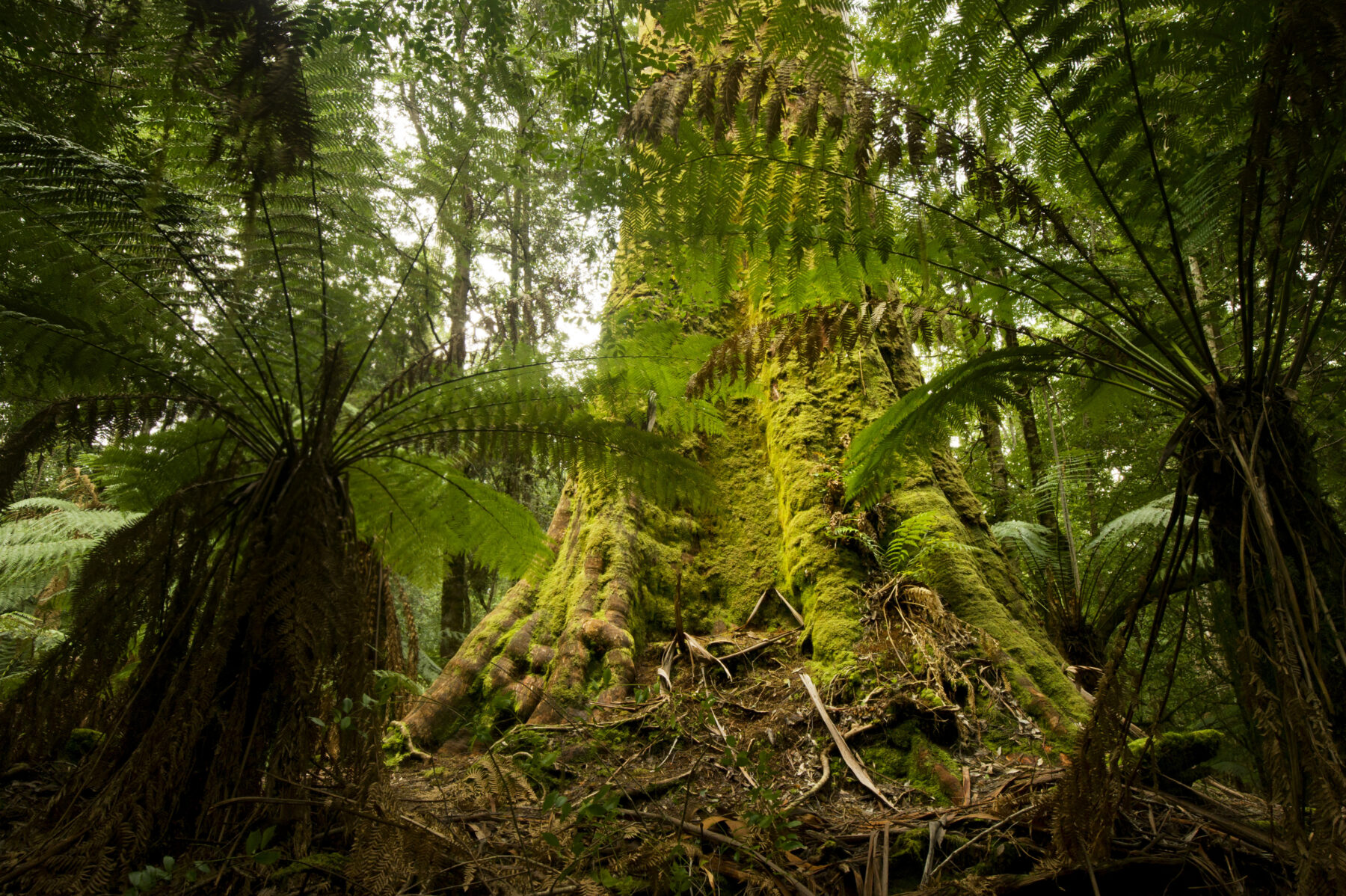
Now, after five years of attempts by three different ministers and two different governments, reforms to the EPBC Act have finally passed. What difference will they make for nature? Australia will likely have National Environmental Standards, and a National Environment Protection Agency to oversee compliance with the Act. More activities that formerly slipped through the cracks – native forestry and re-clearing of older regrowth vegetation – would now require more scrutiny.
On the face of it, this is encouraging. But as a safety net for nature, the amended laws leave much to be desired. Legislation is only as strong as its weakest point – and these laws appear to have many. First, they allow developers to simply pay into a fund in exchange for destroying key ecosystems or habitats. Such funds have almost always failed, for many reasons. And much of Australia’s nature is simply irreplaceable. Think old-growth forests, ancient trees with large hollows, mudflats teeming with invertebrate prey for shorebirds – we cannot re-create these critical assets if lost. Destroying them simply means we have fewer of them. No amount of money paid in compensation can reverse that loss.
The laws also contain a wide exemption for the Minister to make decisions that don’t align with the national standards – if in the ‘national interest’. What counts as being in the national interest is for the politician to decide – although last-minute amendments negotiated with the Greens restricted it from applying to coal and gas projects.
The National Environmental Standards that the laws make provision for are still being drafted. Ensuring they genuinely require positive outcomes for nature is key. If proponents can simply pay their way out of having to achieve those outcomes, or ministers can simply decide they don’t apply, then they’re worth little.
We have only five more years before the next statutory review of these refreshed laws. There will be clear tests of their success. For example, will there be more habitat for our threatened species then? Or will there be less? Will the Carnaby’s need to squabble harder over an ever-shrinking Christmas table to survive?
It’s the end of the year and we all deserve a break. But consultation on some key National Environmental Standards is open until late January. It’s an opportunity for all to participate and make clear that we expect our politicians to make decisions that genuinely protect our utterly unique wildlife and landscapes, and restore them – not continually chip away at them.
So, first, go stare at some birds. It’s good for you. Then in 2026, let’s keep fighting for their future.
Professor Martine Maron is Professor of Environmental Management at The University of Queensland, a member of the Wentworth Group of Concerned Scientists, and a Councillor with the Biodiversity Council.