For better or worse, humans have lived and worked alongside elephants for thousands of years, and we share a lot in common with these majestic creatures.
Photo Credit: Bobby Jo-Clow
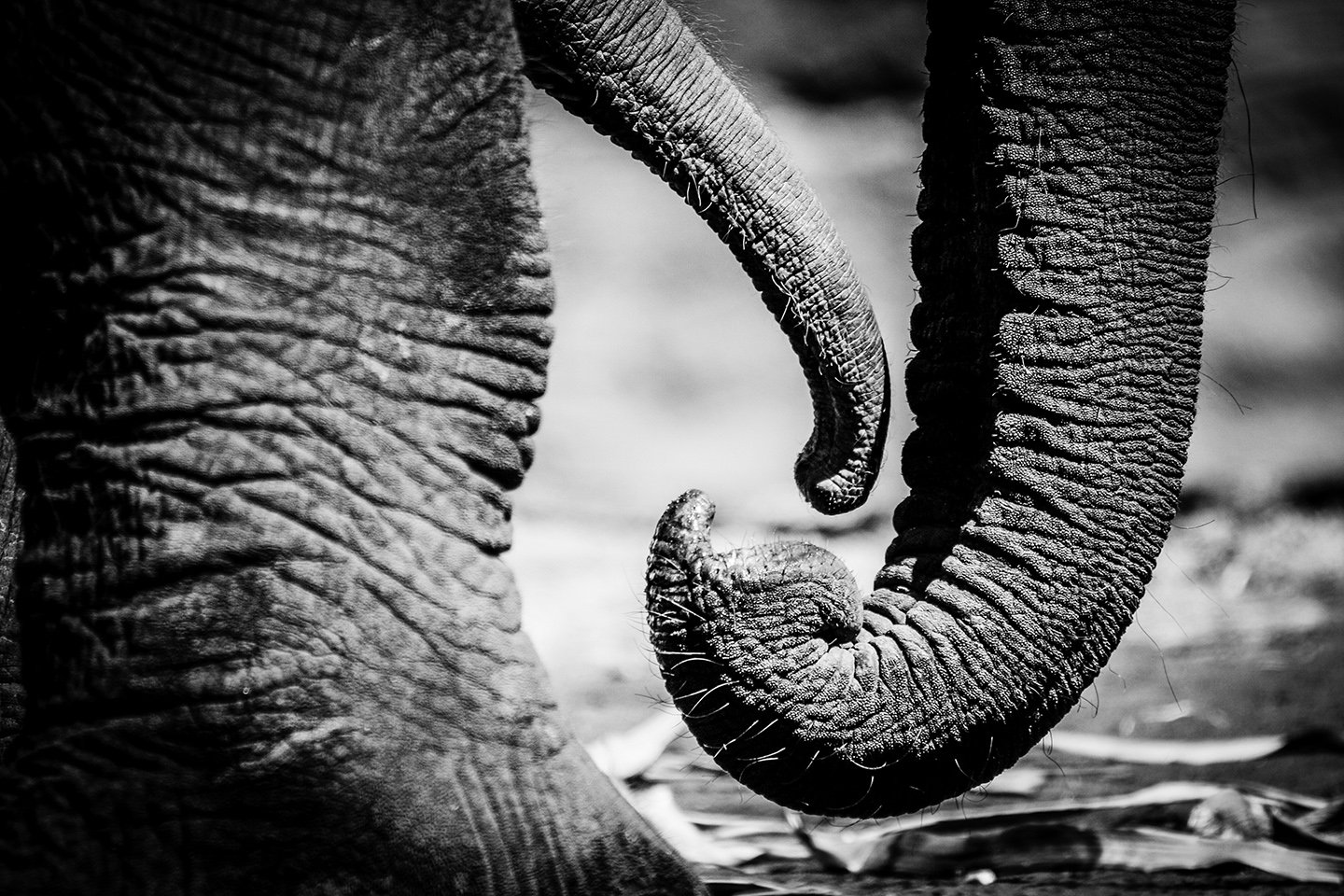
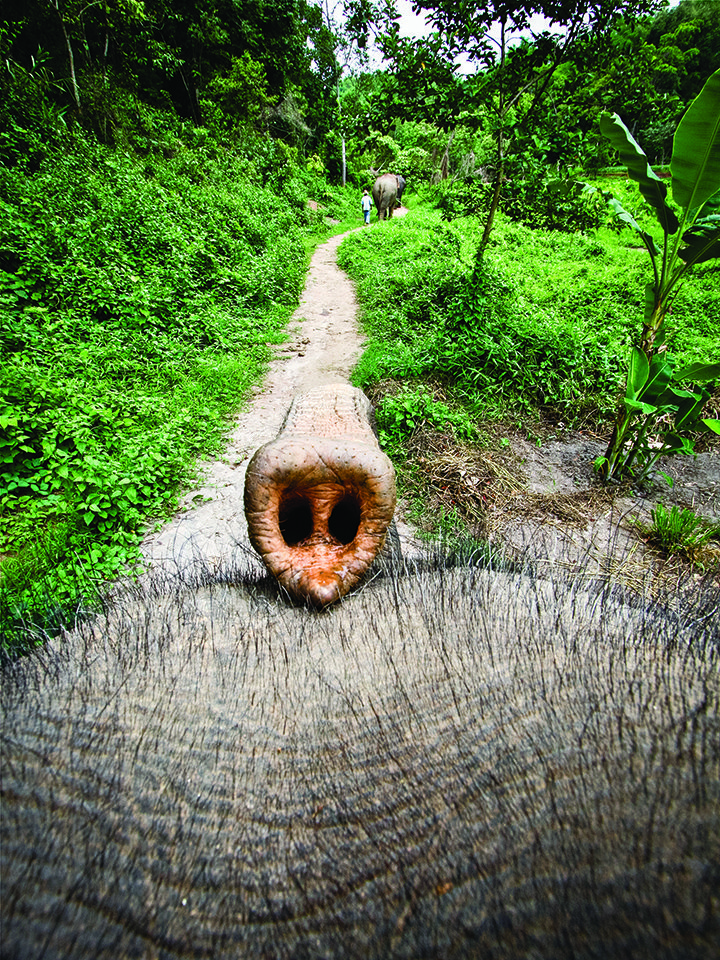
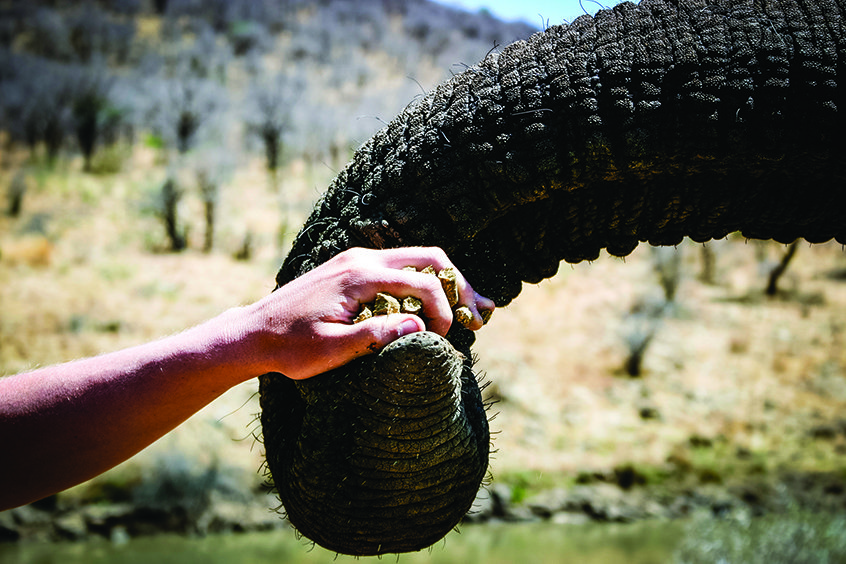
Trunks of a mother and calf elephant. Elephants are known to develop strong, intimate family bonds.
Photo Credit: Bobby Jo-Clow
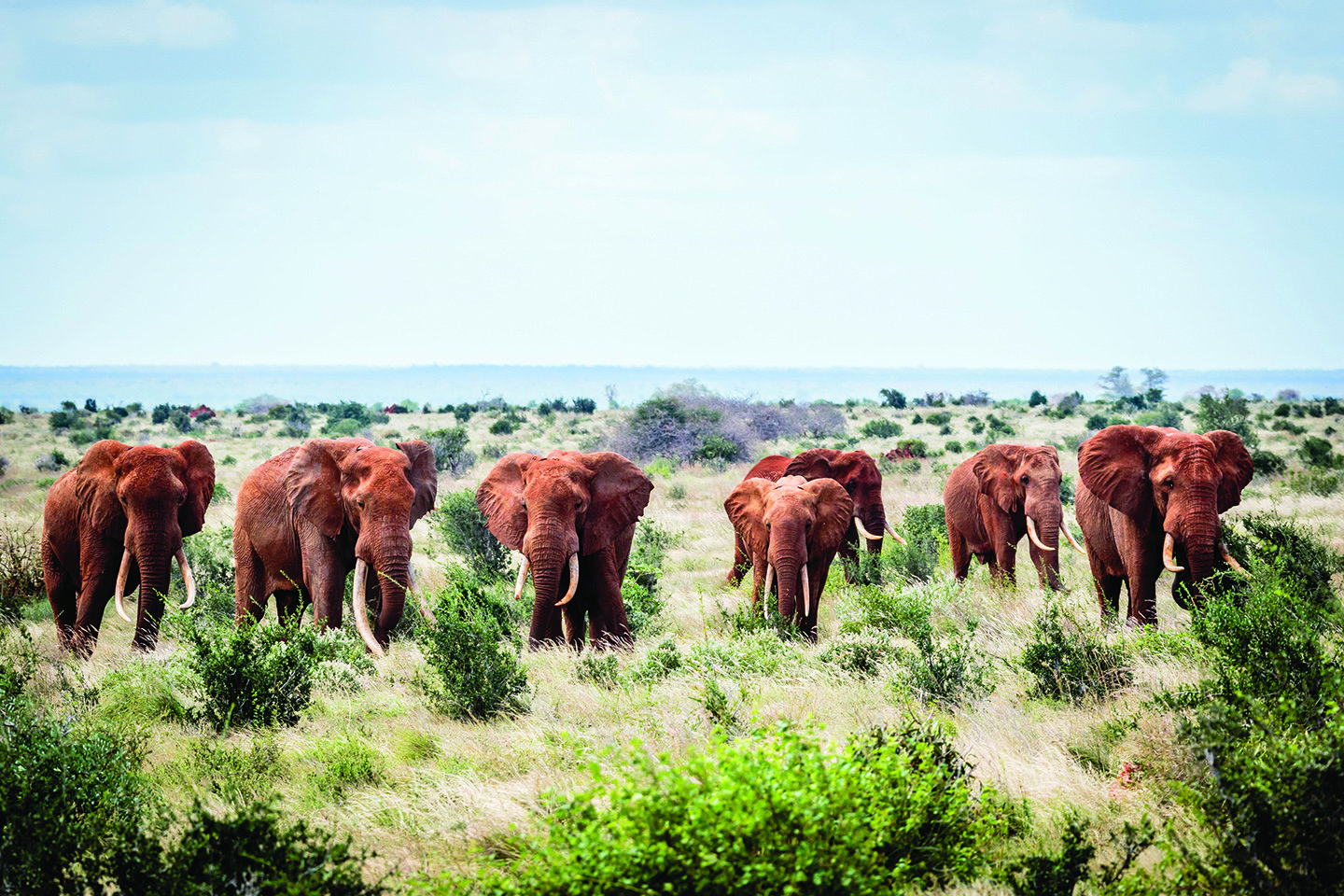
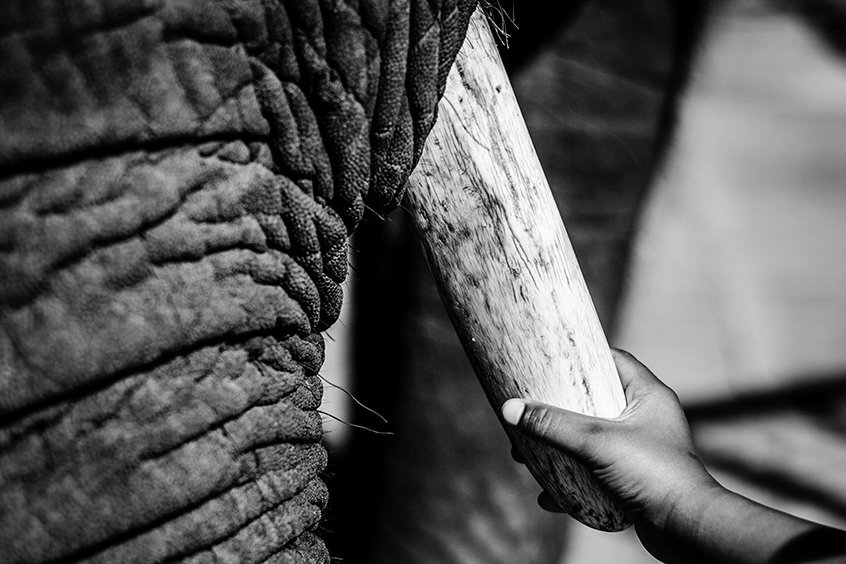
Despite a ban on the international trade in ivory, African elephants are still being poached in large numbers. Tens of thousands of elephants are killed every year for their ivory tusks.
Photo Credit: Bobby Jo-Clow
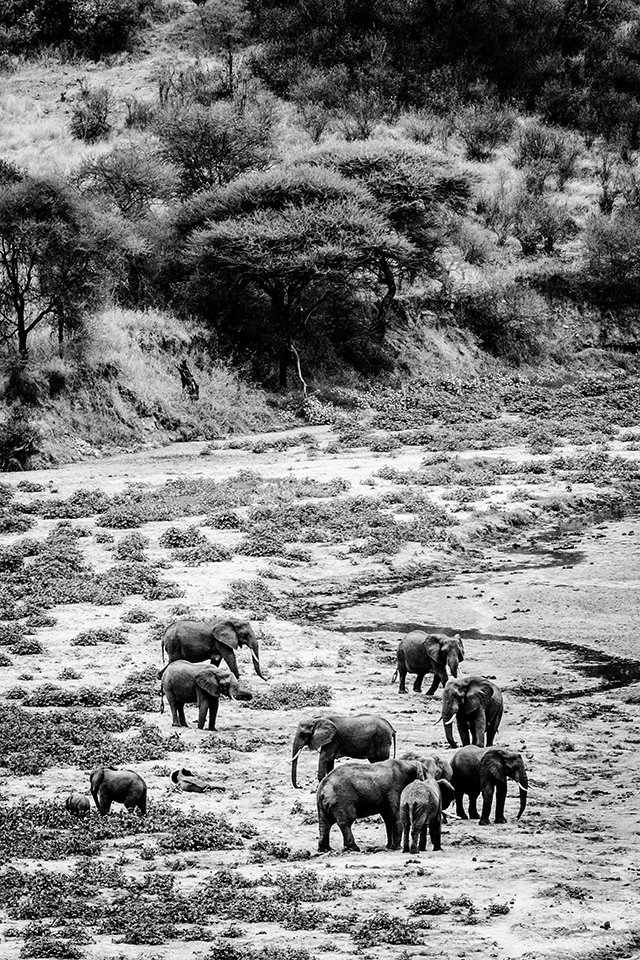
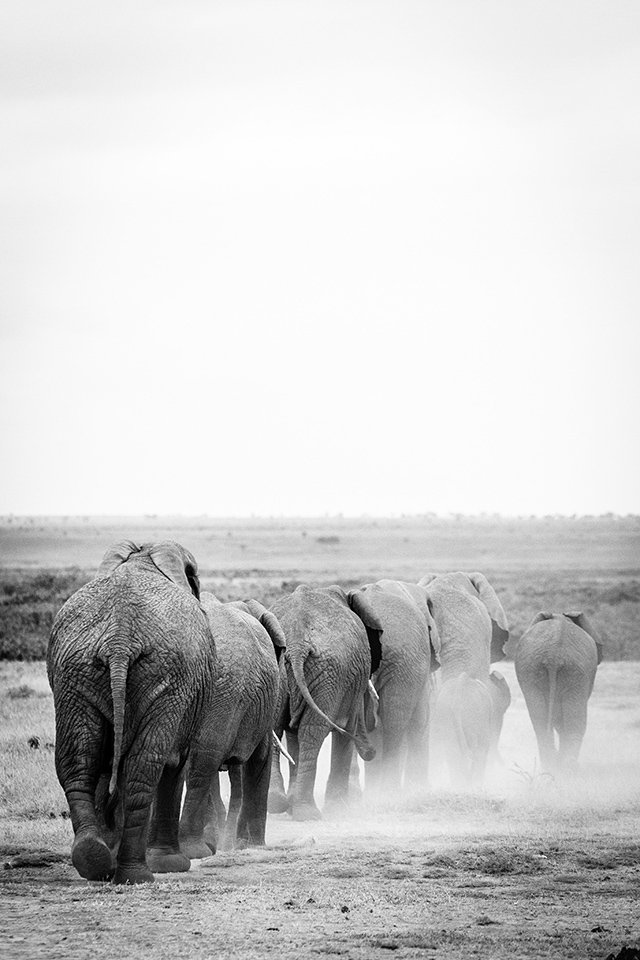
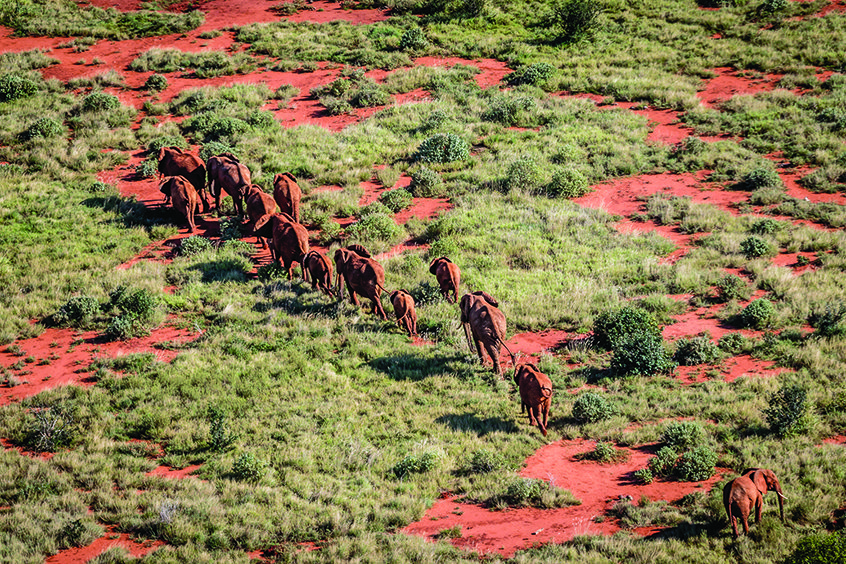
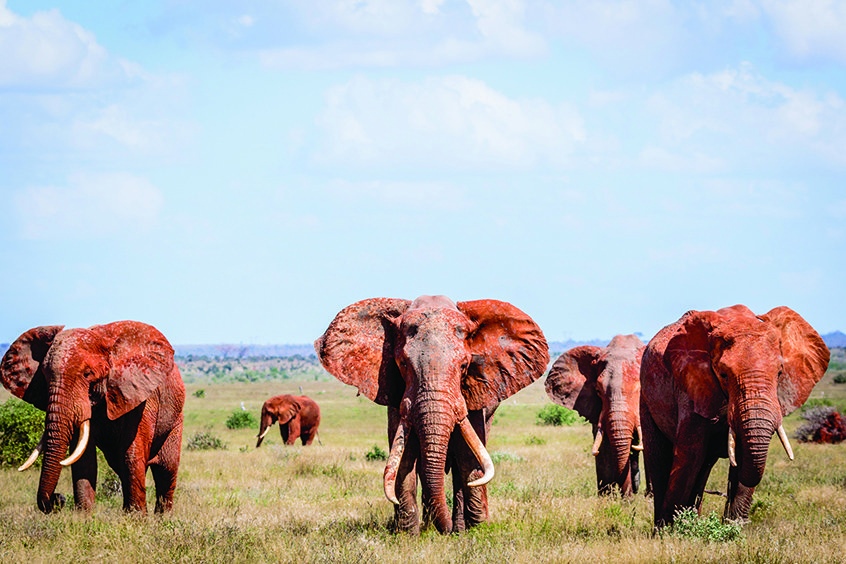
A group of elephants is called a ‘herd’. Adult elephants form matriarchal (female-led) societies, while adult male elephants are usually solitary.
Photo Credit: Bobby Jo-Clow
The main purpose of matriarchal elephant herds is to rear and protect baby elephants, called calves.
Photo Credit: Bobby Jo-Clow
An elephant’s trunk is incredibly flexible and strong, containing about 40,000 muscles (compared to about 640 muscles in the human body). Asian and African elephants are distinguishable by the tips of their trunks.
Photo Credit: Bobby Jo-Clow
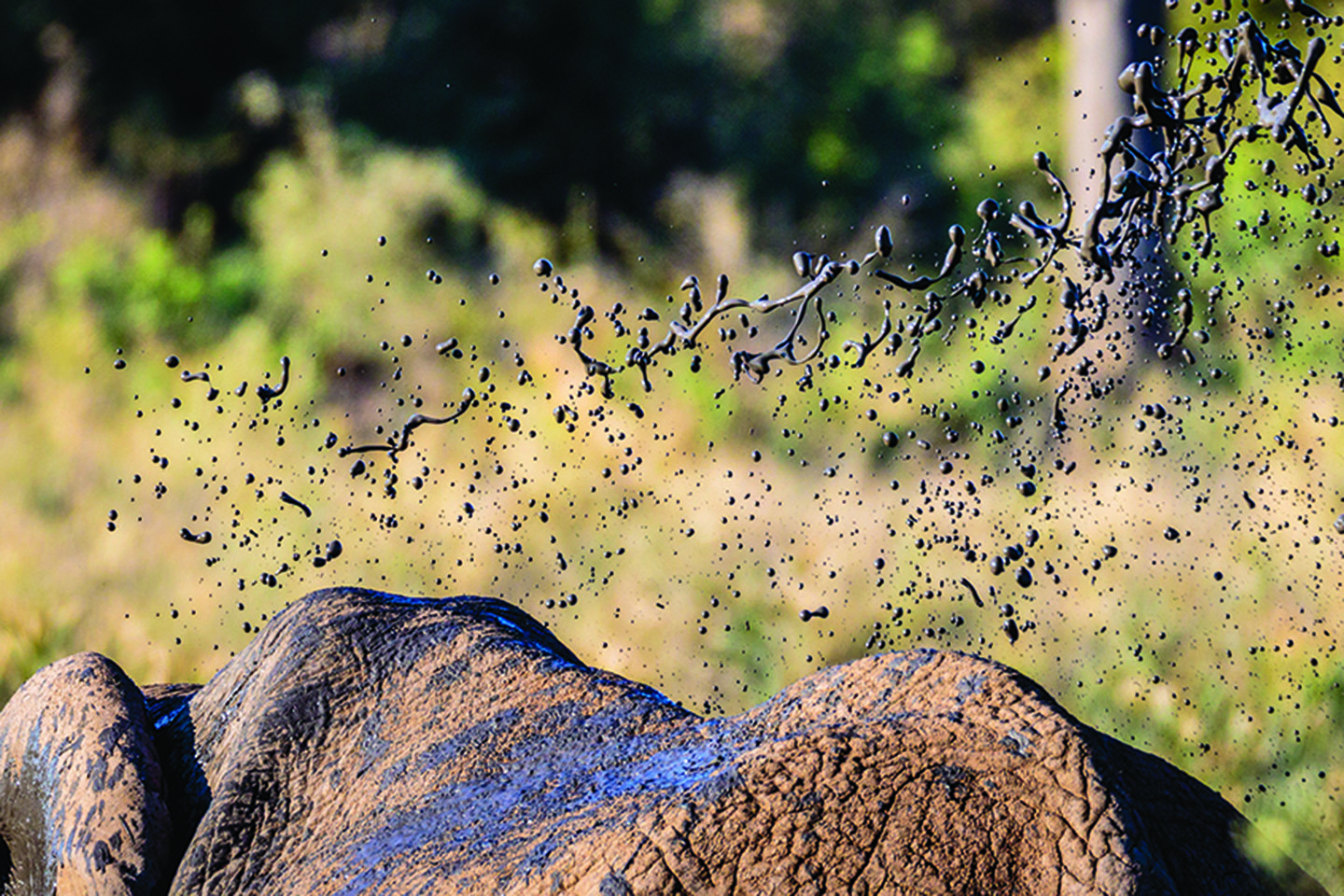
Elephants love to take baths, not only do they appear to be having a great time, the water, dust and mud helps cool them down and protect their skin from the Sun.
Photo Credit: Bobby Jo-Clow
Australian wildlife photographer Bobby-Jo has taken to both the land and air to capture the daily lives of elephants around the world in her new book.
Photo Credit: Bobby Jo-Clow
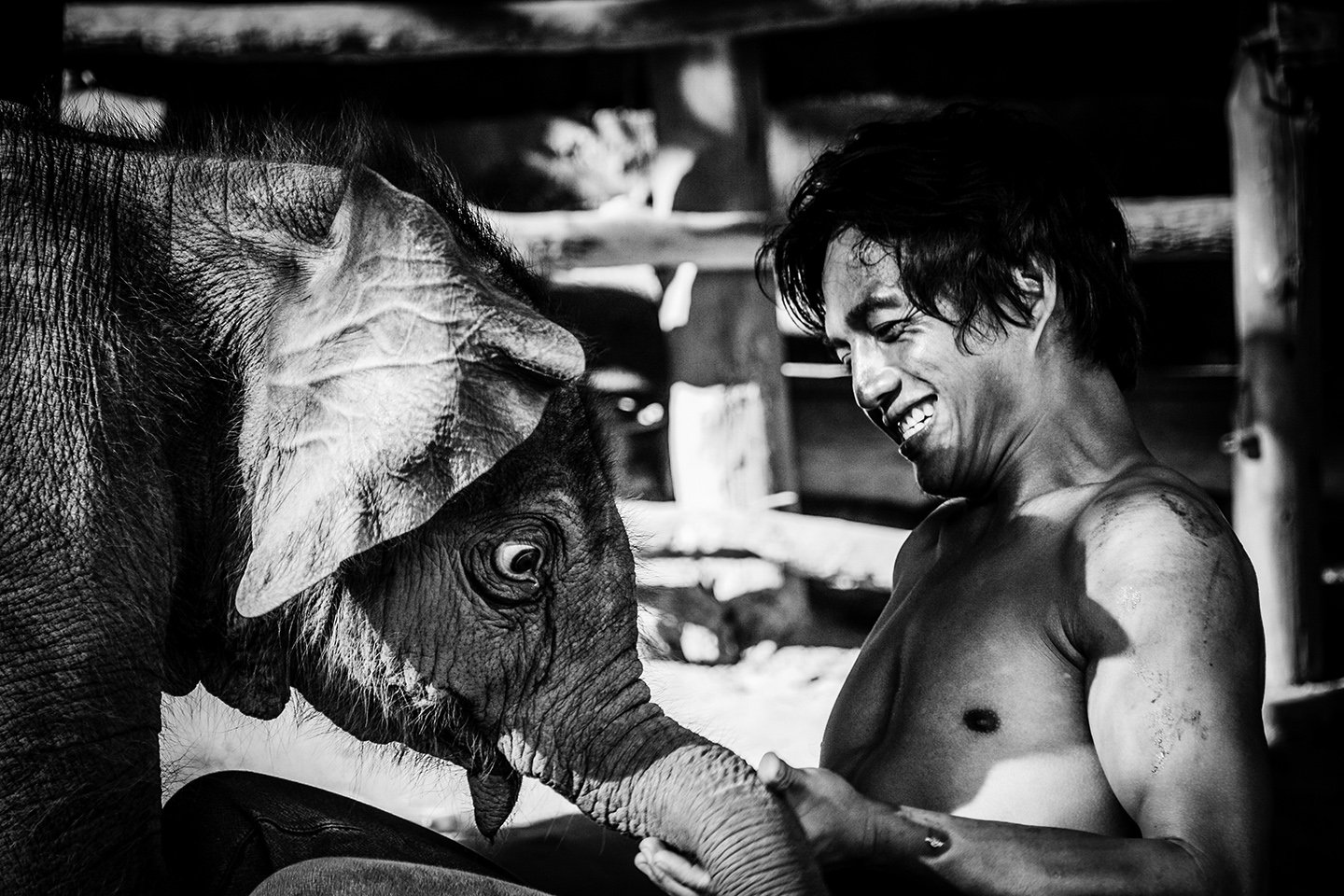
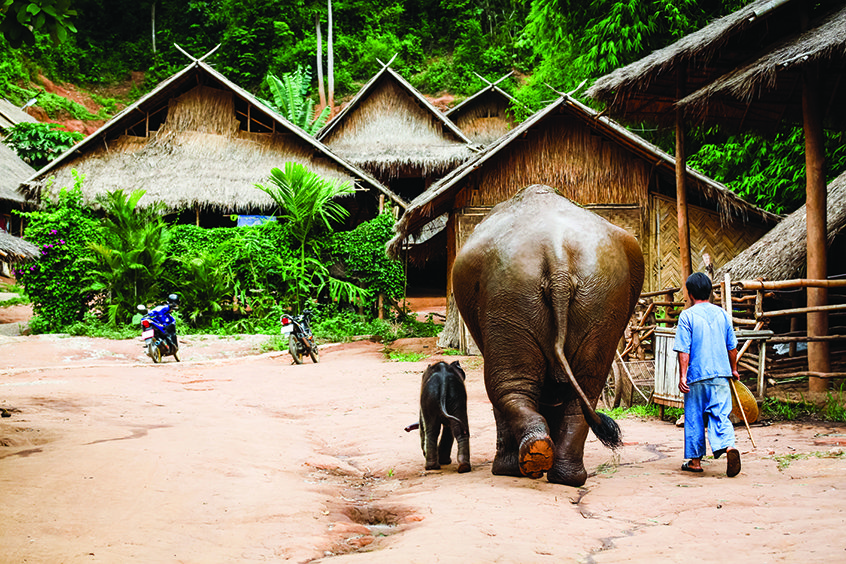
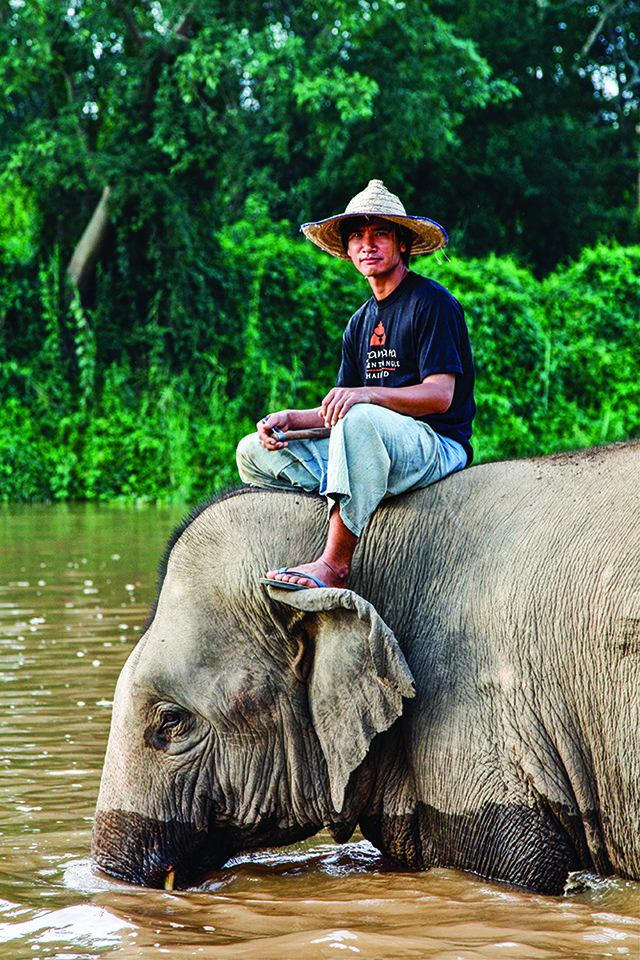
The Golden Triangle Asian Elephant Foundation in northern Thailand was established in 2006 to improve the plight of Thailand’s working elephants, including rescuing street elephants and providing education and alternative income for traditional elephant keepers/trainers, called mahouts.
Photo Credit: Bobby Jo-Clow
From poaching and habitat loss, to conservation and rescue programs, elephant-human relations have had their ups and downs.
Photo Credit: Bobby Jo-Clow
The word ‘ivory’ derives from the Latin word ebur, which is related to ancient Egyptianāb or ābu meaning ‘elephant’.
Photo Credit: Bobby Jo-Clow
Elephant tusks serve many purposes in the wild, including for fighting, digging, lifting objects, gathering food, and stripping bark to eat from trees.
A ‘mahout’ is an elephant keeper, trainer or rider; a family profession usually set from a boy’s childhood.
Photo Credit: Bobby Jo-Clow
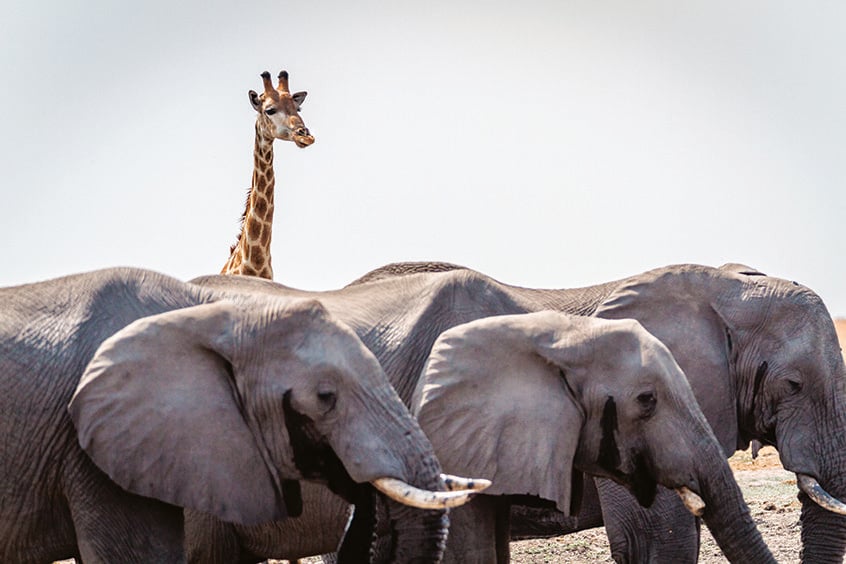
A giraffe joins a herd of African elephants at a waterhole.
A celebration of elephants for World Elephant Day, seen through the lens of acclaimed Australian photographer Bobby-Jo Clow.
Elephants are enormous, unmistakable — and irreplaceable. No other creature has such a long-shared history with humanity while remaining largely undomesticated. But today, despite 4000 years of coexistence, we seem determined to destroy them. It’s estimated that a wild elephant is lost to the world every 15 minutes.
From the rusty, red plains of Tsavo to the lush, green forests of northern Thailand, Bobby-Jo has captured every aspect of elephant life — from first step to untimely death — in her book Reflections of Elephants. Her astonishing images have been paired with the words of writers, poets, scientists, conservationists, students and everyday people, to produce unique reflections of this most iconic animal.