Defining Moments in Australian History: Managing the Murray
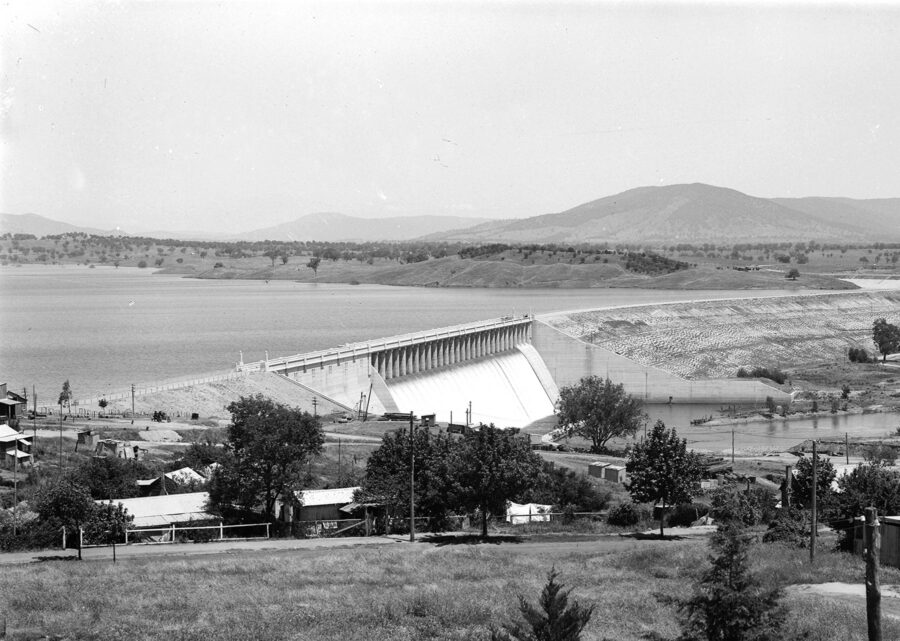
The Hume Dam, about 10km east of Albury in southern New South Wales, forms part of the Hume Reservoir – the main water supply on the Murray River system. When it opened in November 1936, it was the largest dam in the Southern Hemisphere and considered a true feat of Australian engineering.
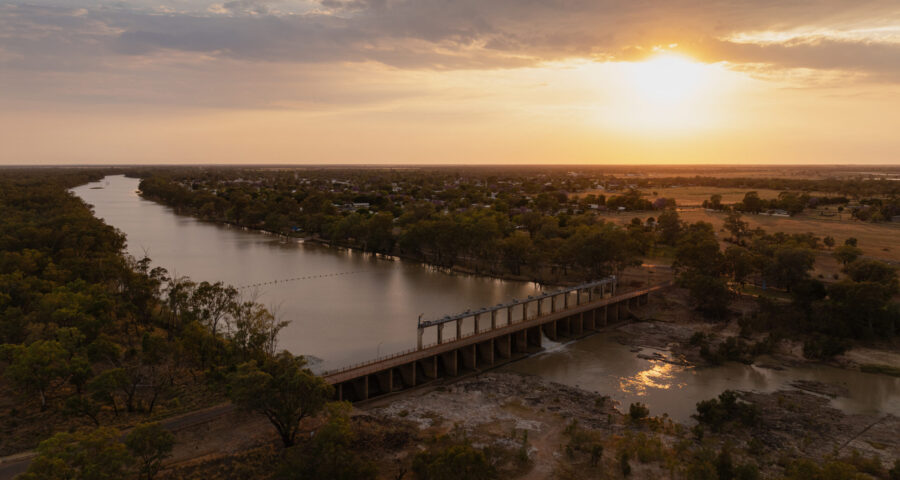
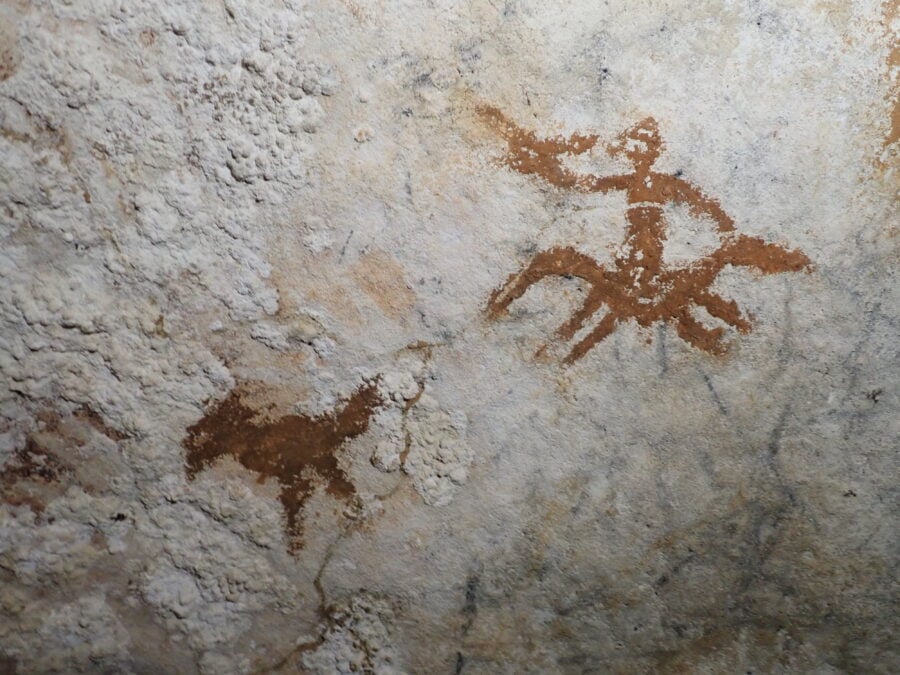
The Murray River is one of the world’s longest navigable rivers, flowing 2530km across NSW, Victoria and South Australia. First Nations peoples, including the Ngarrindjeri and Yorta Yorta, have lived along the river for many thousands of years. Europeans settled along the river in the 19th century, establishing farms along its course.
Water management quickly became a problem for colonists because of the boom-bust nature of the Murray River system. In 1860 representatives from the colonies of NSW, Victoria and SA met in Melbourne to discuss how the Murray system might best be managed, but little came of these discussions because the colonies didn’t want to lose revenue sources such as border tariffs, customs duties and tolls. It wasn’t until the Commonwealth Government was established in 1901 that a decision was made to manage the Murray River system collaboratively.
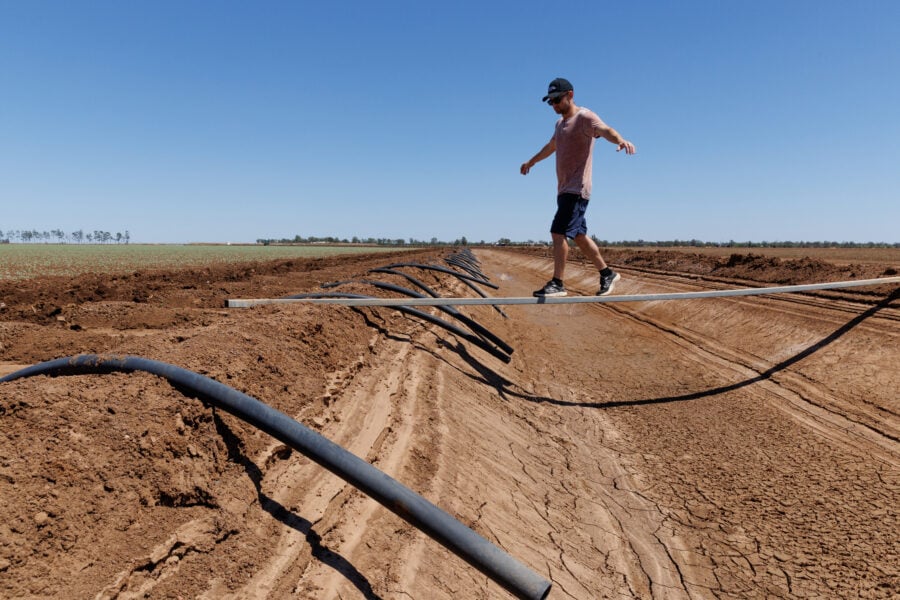
The Federation Drought, from 1895 to 1903, was one of the worst in Australia’s history. It culminated in a record dry year in 1902 and reinforced the need for water storage to capture the high flows in the winter and spring months for distribution during the warmer, drier months. In 1902 the Interstate Royal Commission on the River Murray recommended the construction of a dam on the Upper Murray at Cumberoona, NSW.
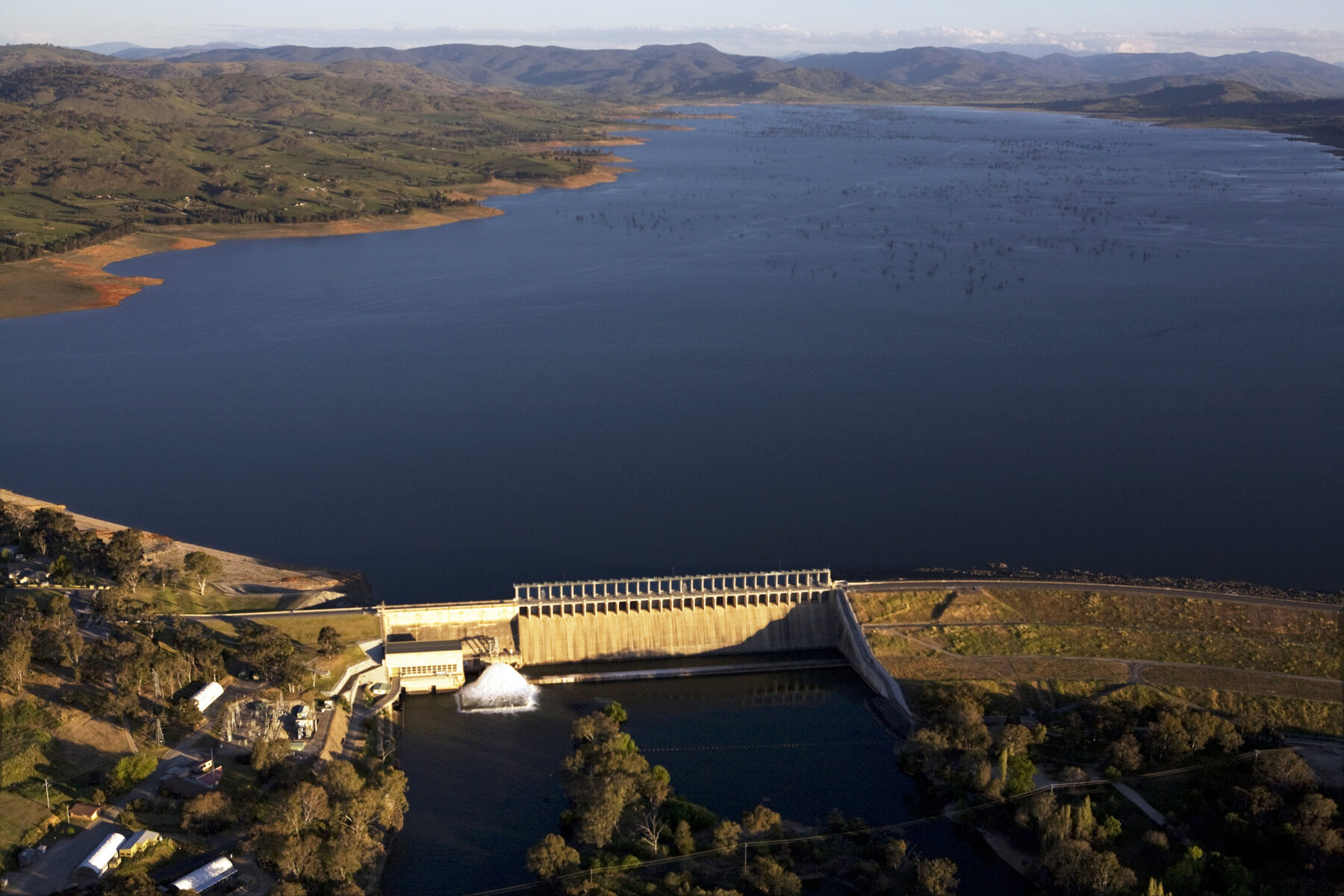
In 1914 the NSW, Victorian and SA governments signed the River Murray Waters Agreement, dividing water resources between them. The agreement gave rise to the River Murray Waters Act in 1915, which led to the construction of several water storage facilities – including the Hume Dam – as well as 26 weirs and locks between Blanchetown, SA, and Echuca, in Victoria, and nine weirs and locks on the lower parts of the Murrumbidgee and Darling rivers, in NSW.
The River Murray Commission was established in 1917 to administer the agreement and manage how the Murray waters were shared between the three states. The commission was made up of representatives from each state and coordinated the construction of the locks and weirs identified in the agreement.
Construction on the Hume Dam began in November 1919 and was carried out by the NSW Department of Public Works and Victoria’s State Rivers and Water Supply Commission. Engineers Ernest Macartney de Burgh and John Stewart Dethridge headed the project.
More than 40,000ha of land across Victoria and NSW was resumed for the massive project. Many residents and landowners, displeased with the compensation they received, took legal action. Appeals and court cases went on for nearly a decade, but didn’t halt progress.
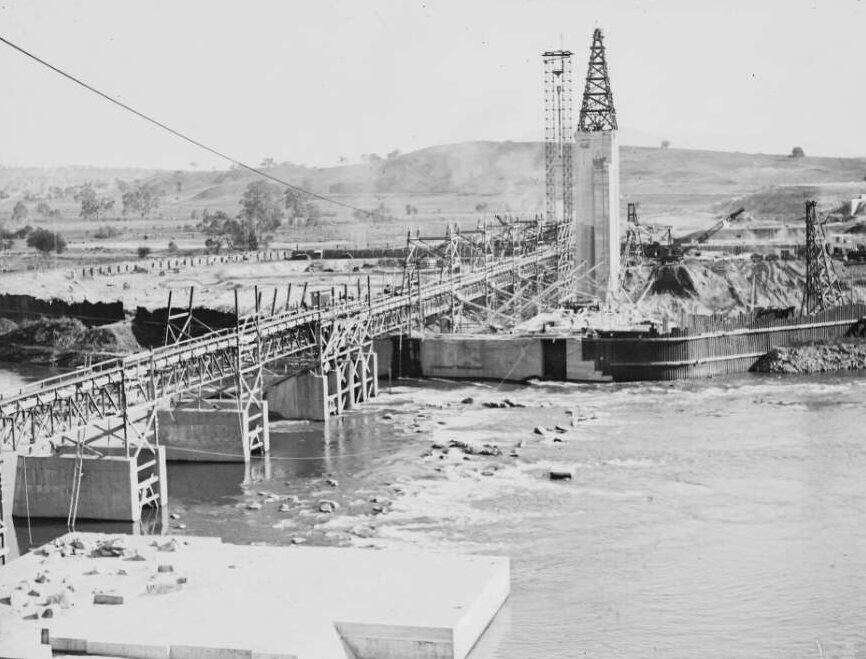
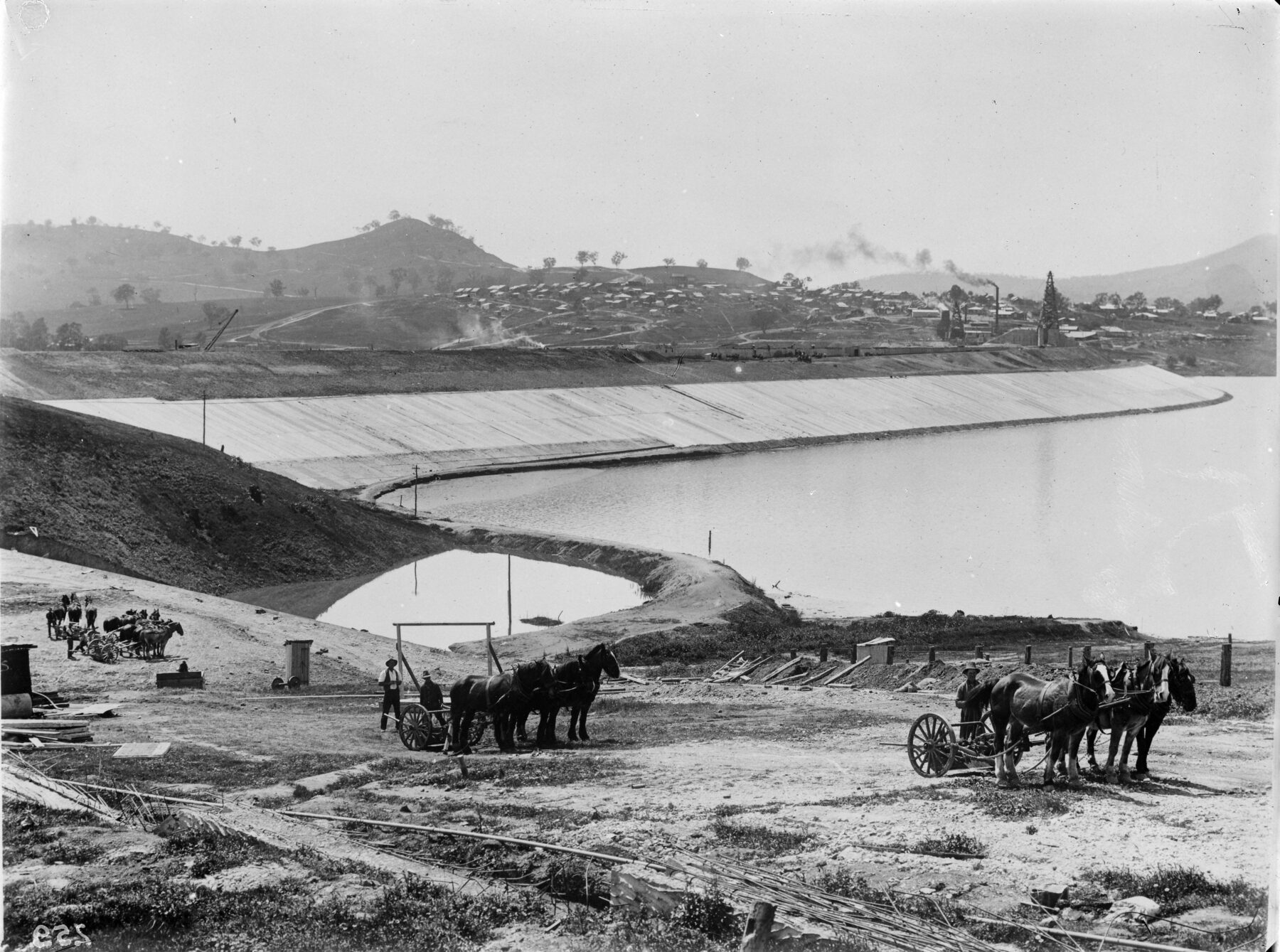
The dam’s labour force endured dangerous conditions and long hours; the average labourer worked 48 hours a week (later reduced to 44 hours). The workforce peaked in 1927 with 1094 labourers. Priority for jobs went to returned World War I soldiers and married men.
Accidents and injuries were commonplace. The first, and worst, recorded accident occurred on 21 October 1921. Jacob Gehrig Senior (60), George Pearce (70) and William Wakeford (17) were killed while attempting to recover unexploded blasting powder. Other deaths and injuries occurred from trips and falls.
It took 15 years to construct the Hume Dam and two years to fill it, the latter of which began in December 1934.
On 16 June 1934 The Herald in Melbourne reported: “Now that the great work is completed, farming in the Upper Murray basin enters on a new phase. The menace of drought has been removed and whole districts have been placed in a position of safety.” The dam was officially opened on 21 November 1936.
Between 1950 and 1961 the NSW Department of Public Works carried out modifications to enlarge the reservoir to its present capacity of 3005 gigalitres. In 1985 the 50-year-old structure was altered to meet new design and construction standards, including an earthquake loading. Ten years later, further improvements were made to bring the dam into alignment with strict international standards.
Today the dam and reservoir are tourist attractions, welcoming recreational boaters, skiers, swimmers and anglers throughout the year. Visitors can stand on the viewing platform and experience the scale of the project.
‘Managing the Murray’ forms part of the National Museum of Australia’s Defining Moments in Australian History project.