GALLERY: Pedal Prix 2015, SA
Glimpse worlds beyond our own with AG’s esteemed space expert and living legend, Fred Watson.
Be surprised and illuminated by Dr Karl, our long-time commentator on all things new in science.
The weird and wonderful natural phenomena of our natural world – explained.
All the essential information you need about Australia’s unique flora and fauna.
The annual 24-hour Australian International Pedal Prix is the oldest, longest, largest and fastest human powered vehicle (HPV) race in the world.
The cocooned nature of the machines leaves riders reliant on hearing the chirping, piezo-electronic horns that warn of a fast-approaching rival.
Maintenance teams help with the repair and care of a HPV machine.
Eighty per cent of the 225 machines entered in the 2015 race were from school teams. Pro teams typically do one hour cycling stints, with eight riders in each team, while primary schoolers are allowed up to 20 riders.
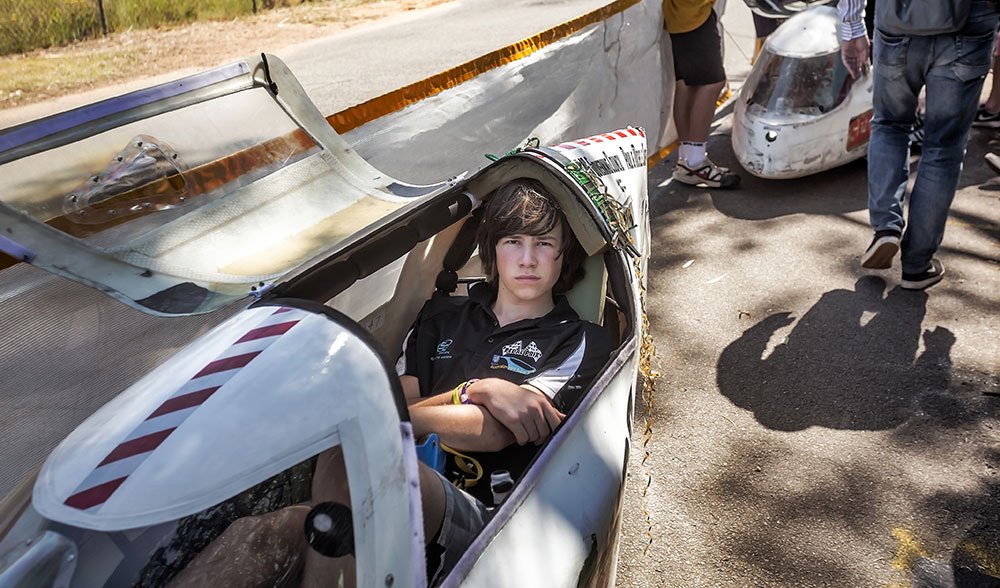
A high school student sits in his machine. Students choose HPV racing as their winter sport, although there’s a lot of academic application as well.
The sun sets over the Murray Bridge race course, as drivers settle in for the long night ahead.
A young driver cocoons himself in a sleeping bag, waiting for his turn in the relay-style 24-hour race.
The inner parts of an HPV machine, essentially a recumbent trike with fibreglass or plastic bodywork.
At night, windows fog up and some machines channel air over the inside to fight condensation, while shrill horns alert riders ahead.
Some riders radio into their pits and others shout out when they pass to indicate they want to swap riders.
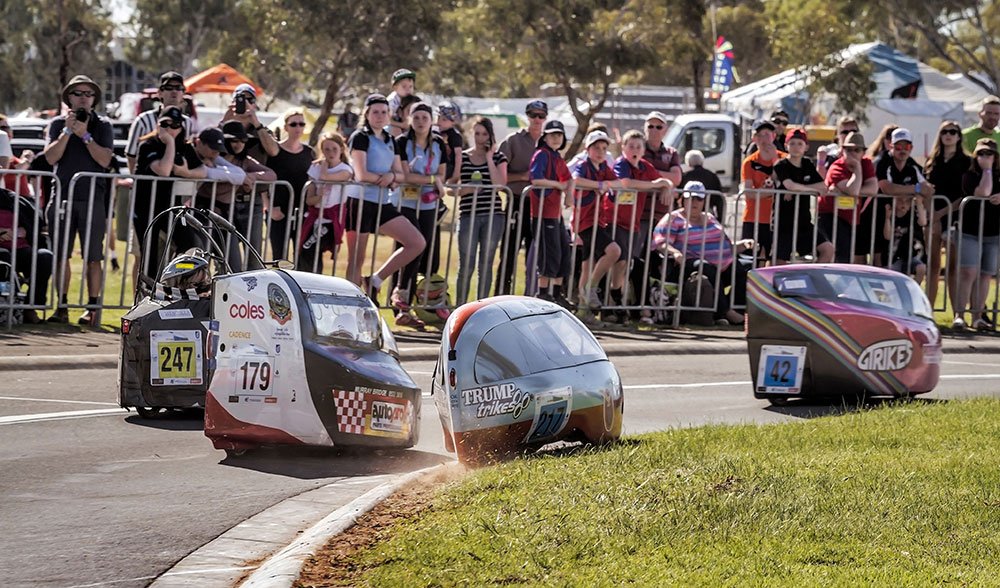
HPV machines speed past onlookers, who flock in their thousands each year, along East Terrace.
Despite the course’s bumps and trike-tipping corners, the fastest can average more than 50km/h during a 2.1km lap.
At pit stops, tired riders are hauled out by the shoulders before worn out tyres are replaced and a new rider jumps into the front seat.
The youngest teams are allowed up to 20 riders during the 24-hour slog. Most students are involved in the design, maintenance and repair of their machines.
Two competitors huddle under their tent, waiting for the call to swap drivers.
Some competitors aim to stay awake on the sidelines, while others huddle into their warm sleeping bags for a night’s rest.
School teams typically camp around the track during the 24-hour event. Some will be roused from their sleep for a stint at the pedals – or to attend pit duties.
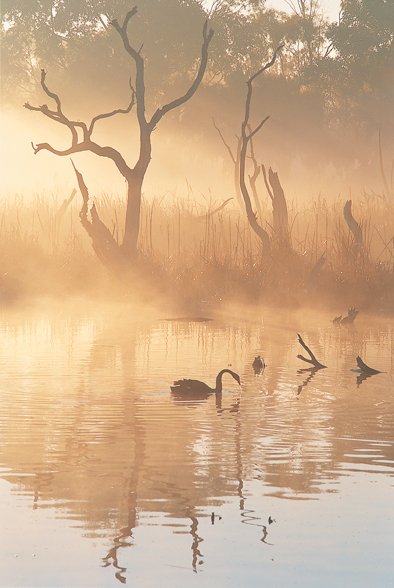
A determined young racer looks out to the track ahead, which sits only metres behind the serene moorings of the Murray River.
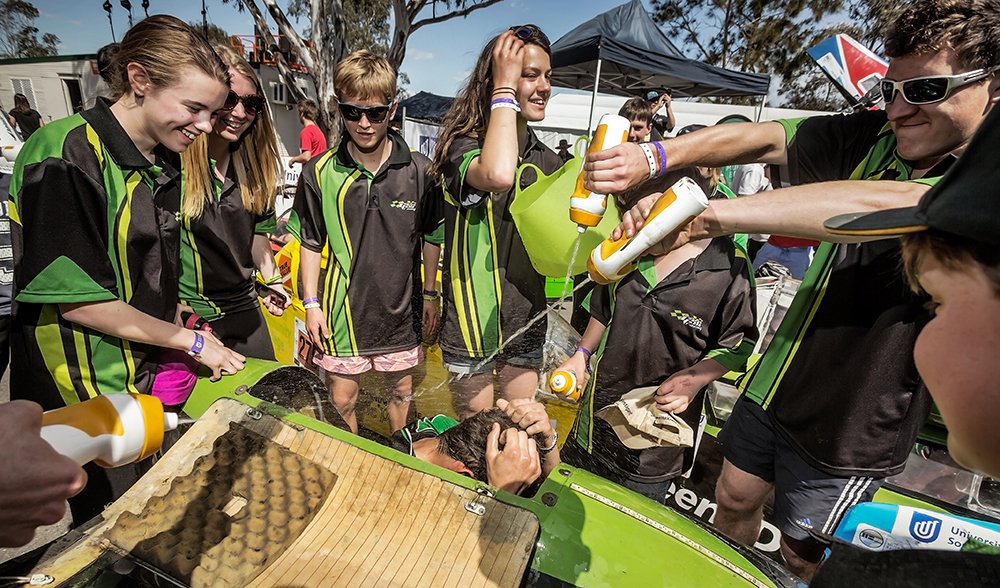
A school-entry competitor rehydrates on the run.
A young school student opens the door of his machine. School teams are the lifeblood of HPV racing, making up about 80 per cent of entries.
A young competitor entertains himself on his phone in the cockpit of his machine.