Judbarra and its special wallaby

Roger Smith
Roger Smith
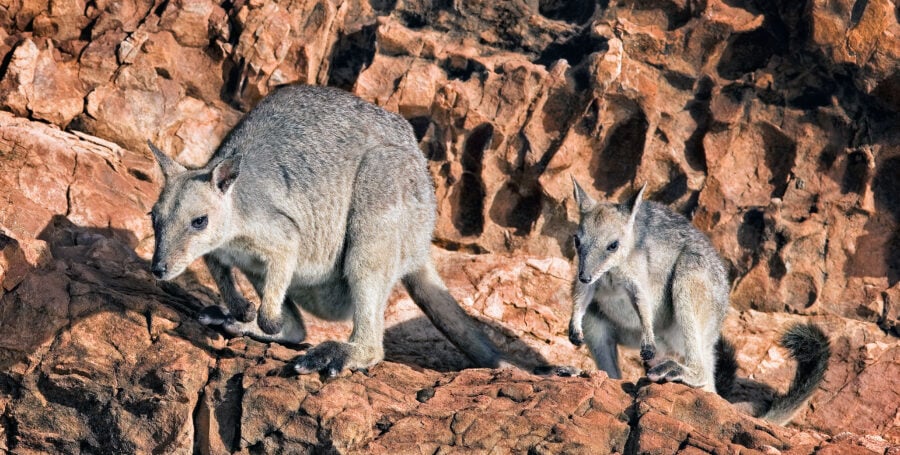
National parks are often the only landscape-scale areas where fire is carefully managed. This helps make them safe havens where native animals can find refuge from bushfires. A shining example is Judbarra/Gregory National Park, which covers 13,000sq.km of staggeringly diverse habitat – much of it wilderness – about 180km south-west of Katherine in the Northern Territory.
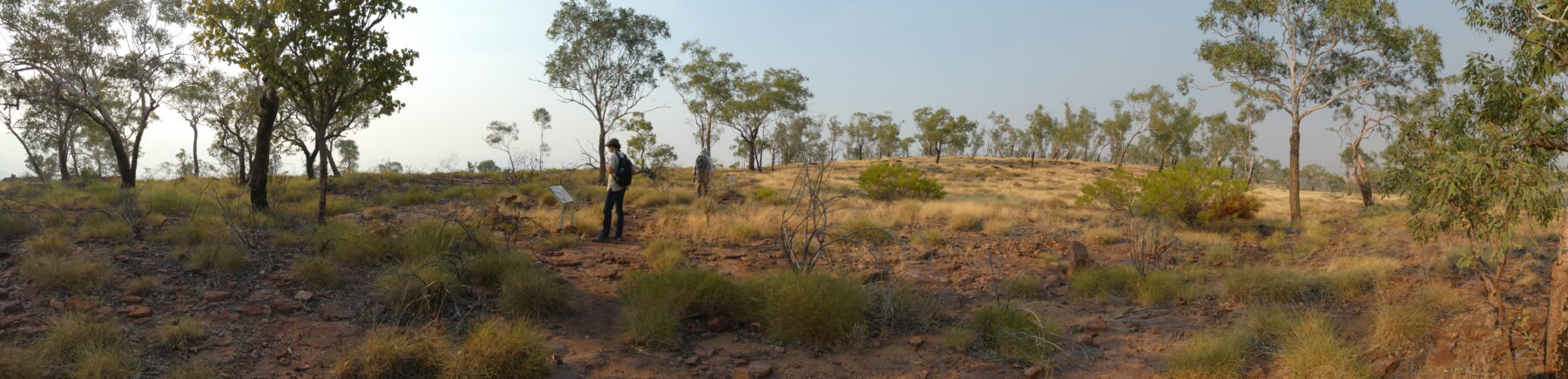
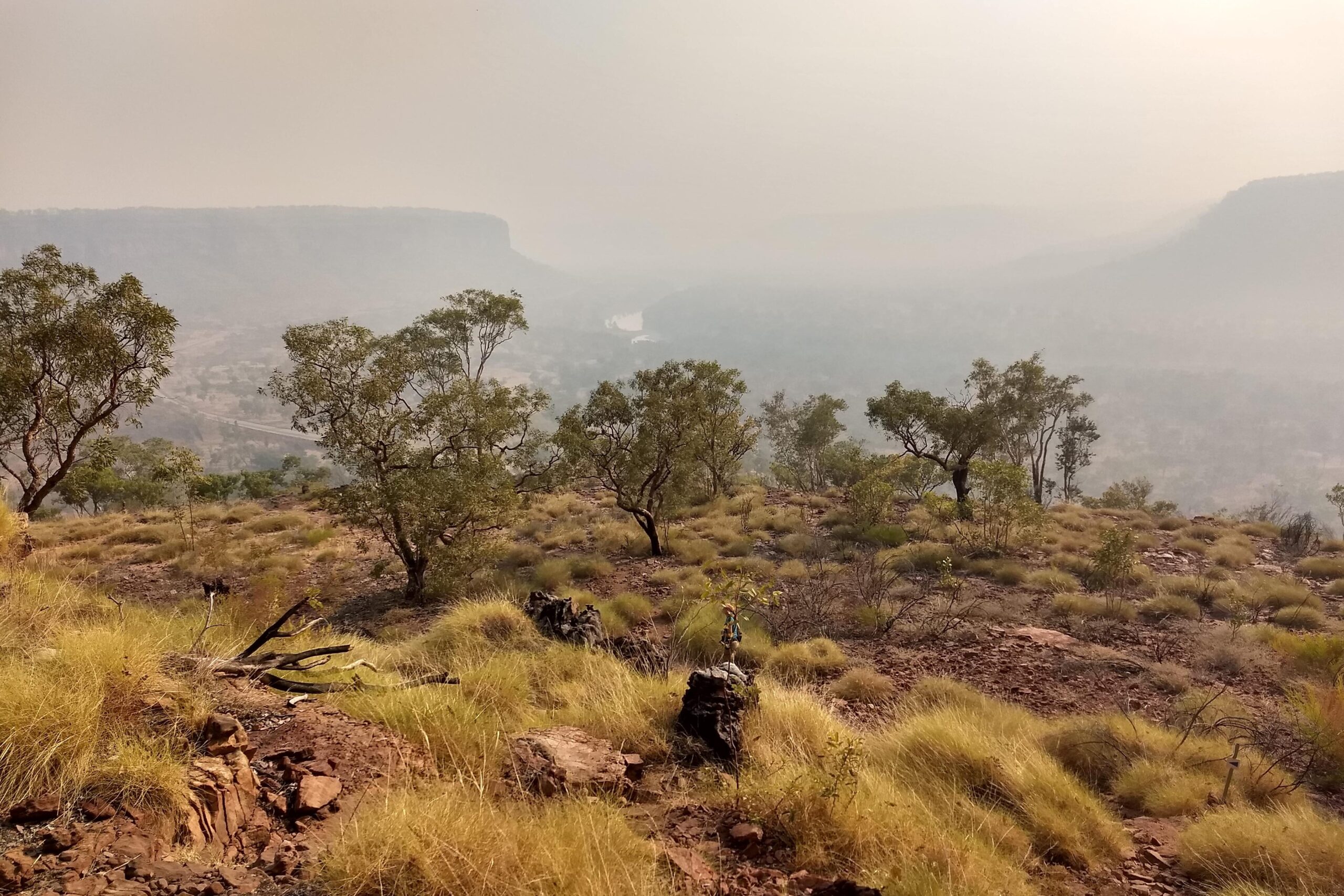
In August 2019 I led a tour group on a walk to the top of a red sandstone escarpment on the edge of Judbarra. The walk was short, but its impact will remain in my heart forever, not only for its startling beauty but also for an encounter that reminds me of how vital it is to retain such intact wilderness for wildlife.
At the top, the escarpment flattened into open, sparsely treed savanna with huge views deep into the wilderness. Smoke permeated the air from grassfires recently lit on land beside the park, making midday appear like early dusk.
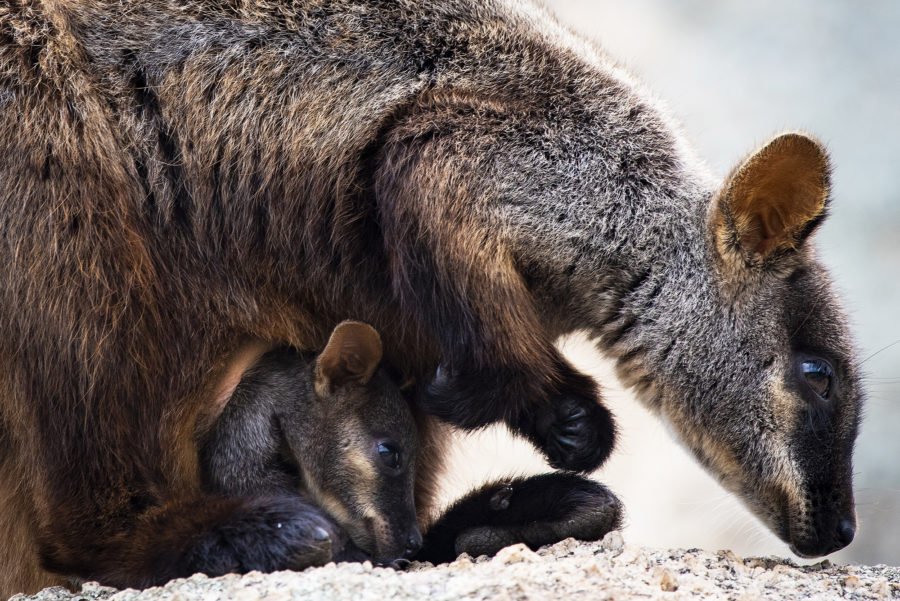
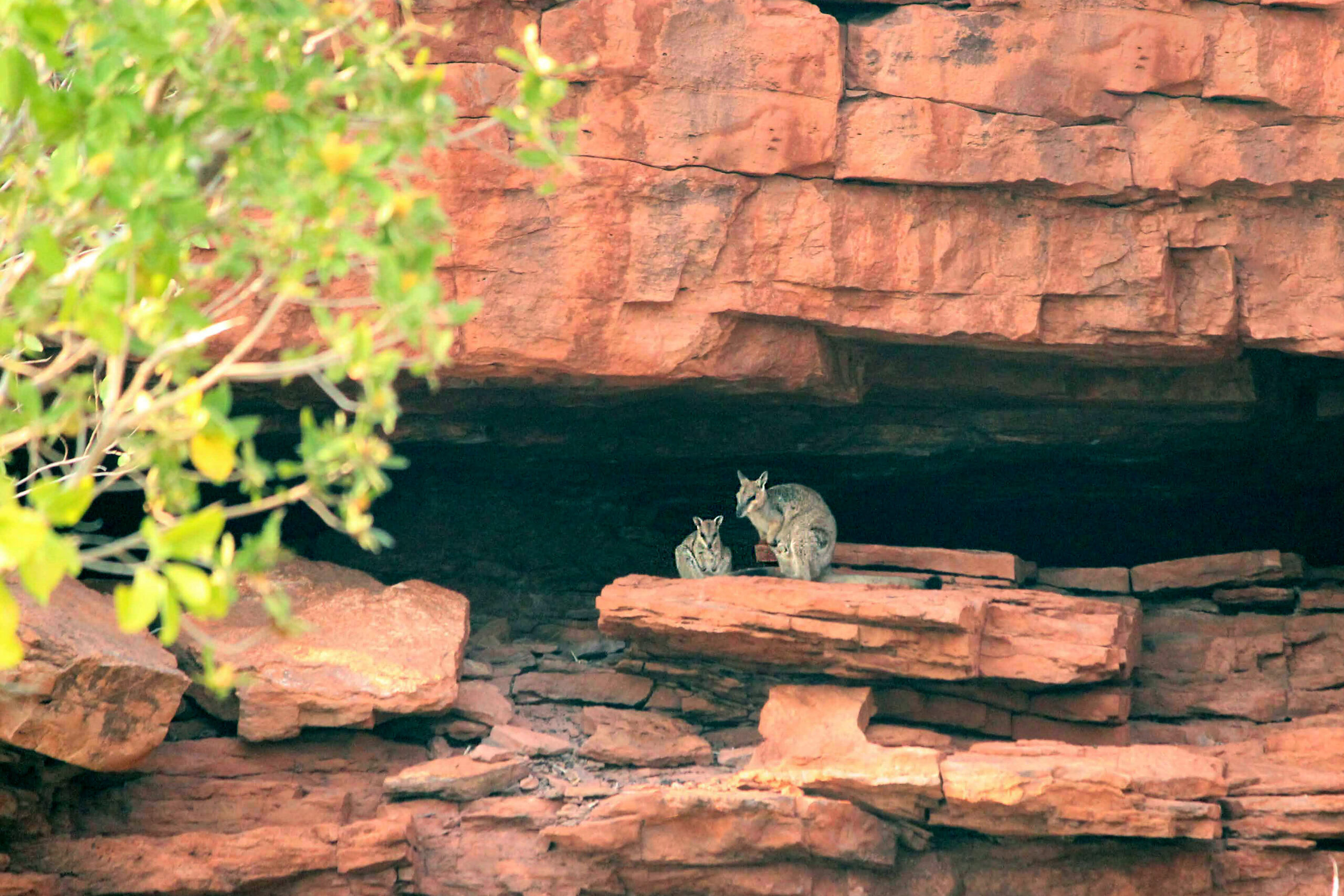
Later, as we clambered down through a rocky cleft, we saw something that stopped us in our tracks. There, beneath a rocky overhang, shrouded in smoke haze, was a female wallaby squatting quietly beside her joey.
The pair belonged to a western subspecies of short-eared rock-wallaby (Petrogale brachyotis victoriae) – the only sighting I’ve had of this rare macropod. It’s mooted that it will soon be recognised as its own separate new species – a living example of how wilderness such as this nurtures life in isolated pockets.
Multiple studies reveal we care a lot about wilderness remaining intact, yet we rarely feel the need to live in it. We simply need to know it exists. Occasionally, if we’re lucky, wilderness reaches out – as it did to me that day on Judbarra – to remind us of what’s important. Put simply, we must protect wilderness so it can nurture both our wildlife… and us.
Sadly, as climate change continues to heat the Top End, fire has become so pervasive that it’s indiscriminately eliminating vulnerable wildlife. And, as more wildlife becomes incinerated by fires, we urgently need to protect sanctuaries provided by wilderness like that contained
in Judbarra.
Stoking this problem are thousands of fires deliberately lit during each dry season in the NT. Smoke during this time saturates the atmosphere of the top third of the NT, so much so that it can obscure the sun and make breathing difficult. Some fires are legitimate management tools, but many are questionable. Blanket burning, purportedly mimicking First Nations practices, is aimed principally at increasing grass growth for livestock. But now it’s another growing hazard we need to protect our wildlife from.