Summer solstice Down Under
Tim the Yowie Man
Tim the Yowie Man
Take, for example, Stonehenge, which has captivated countless Britons for millennia. Even today, as the sun slowly rises behind the Heel Stone on the summer solstice and the first rays of light shine into the heart of the ancient monument, the chanting of thousands of druids, Wiccans, revellers and curious onlookers reaches a crescendo. It’s a once-in-a-year event that lures people from all over
the world.
But what about here in Australia? Do we have any celestially aligned landmarks that draw a crowd?
First Nations monuments that align with the sun during a solstice or equinox – such as the egg-shaped Wurdi Youang basalt stone arrangement in Victoria, which is thought could be upwards of 10,000 years old – are closed to prying eyes to ensure their protection. But there are a handful of other less culturally sensitive places you can visit to mark a solstice.
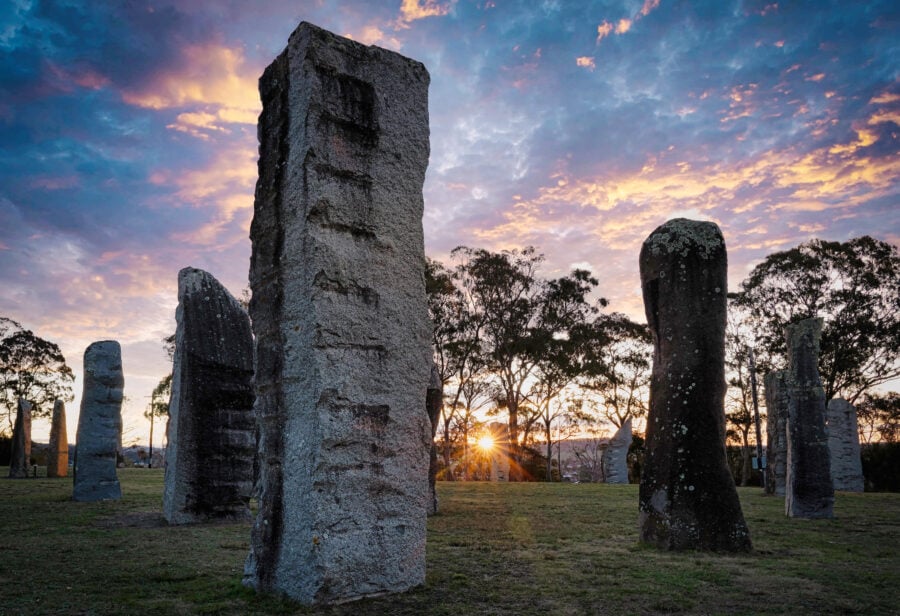
These include contemporary large-scale monuments inspired by Stonehenge, including the Australian Standing Stones National Celtic Monument at Glen Innes in northern New South Wales. There are also several natural and man-made landmarks aligned to the sun for a solstice or other significant days in our national calendar.
Here are my top three. And unsurprisingly, there isn’t a druid within cooee.
Belfry Cave
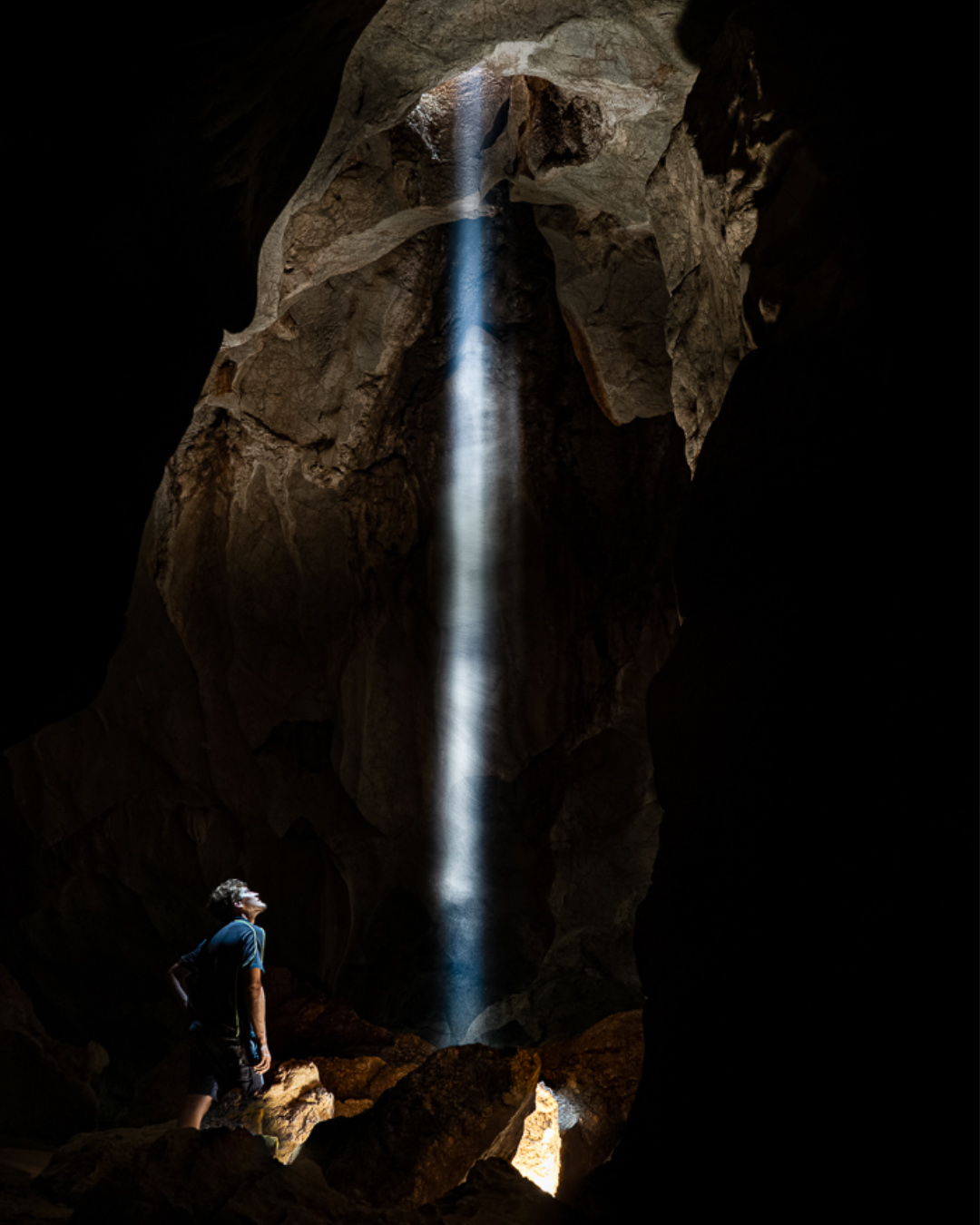
Arguably Australia’s most spectacular summer solstice show is at Capricorn Caves, just north of Rockhampton in Central Queensland. These natural caves straddle the Tropic of Capricorn, so at midday on the solstice, the sun is directly overhead.
In the roof of the Belfry Cave is a small hole through which the sun’s rays only penetrate for a few weeks on either side of the solstice. There are tours into the cave during this time where you can stand in the beam of sunlight, or hold up a disco ball with dazzling effect. Wow!
Wallagoot Gap
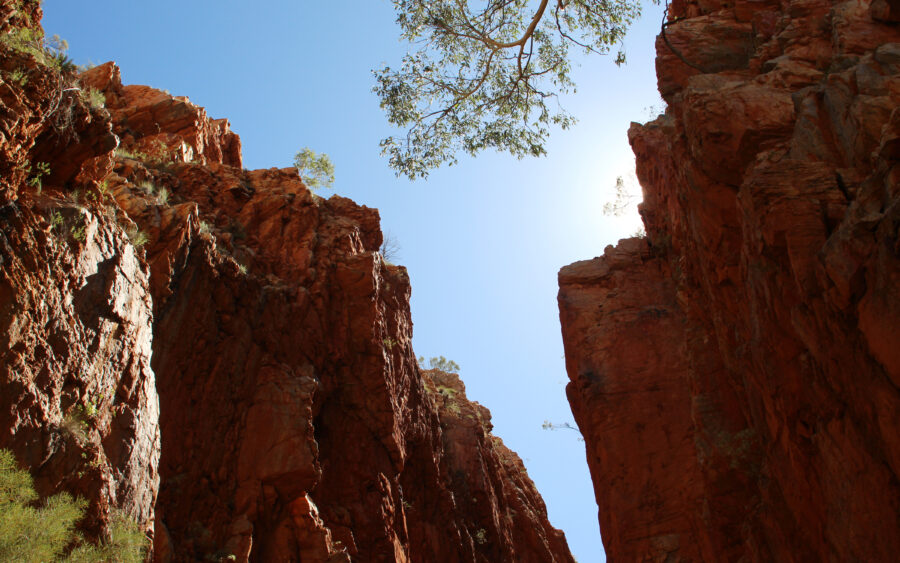
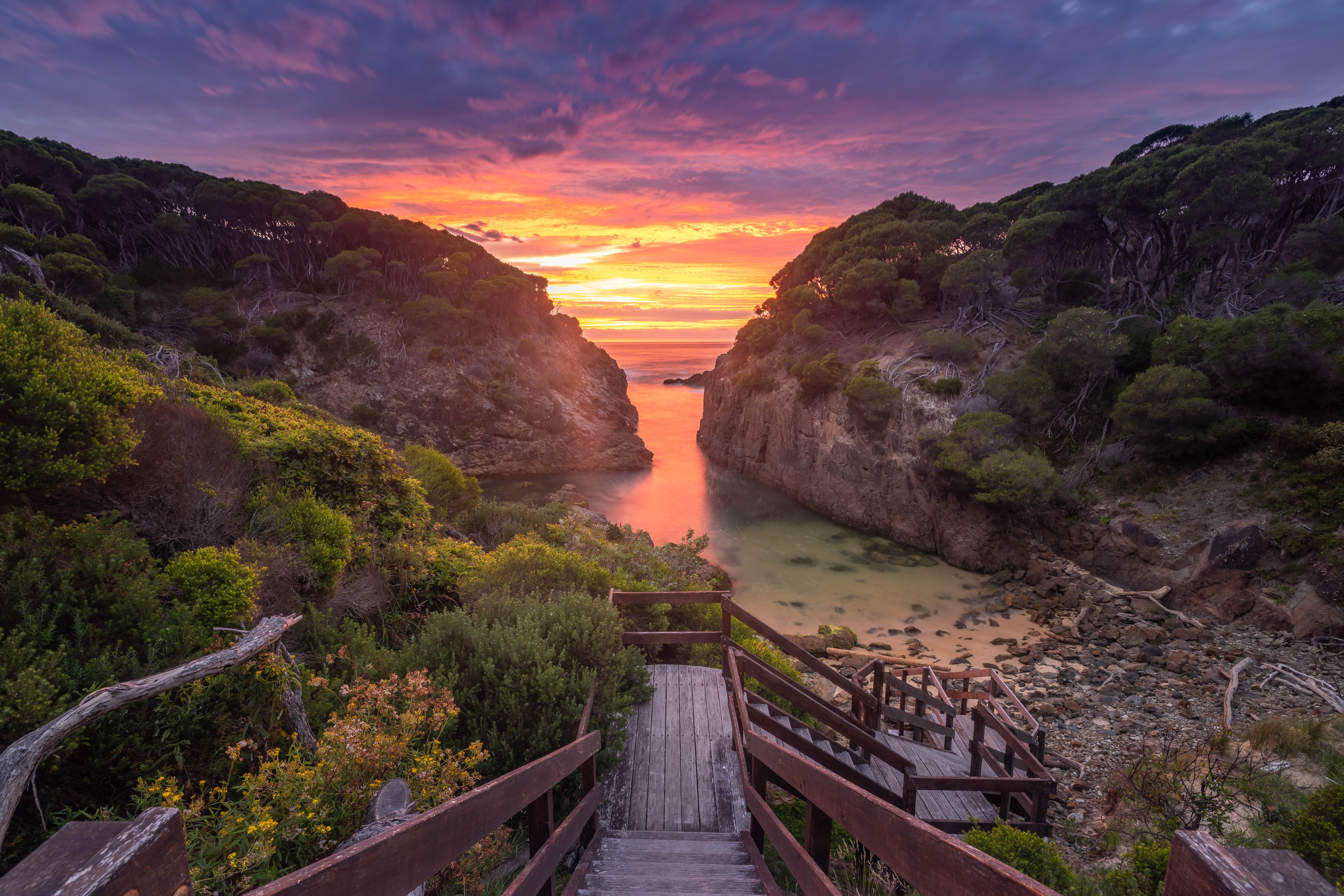
Due to the south-easterly aspect of Wallagoot Gap beach near Tathra on the far South Coast of NSW, on the summer solstice the sun’s first rays shine right through the narrow gap and light up a natural amphitheatre. (At this latitude the sun rises south of due east on the summer solstice).
Photographer David Rogers makes an annual pilgrimage to the remote beach and has snapped award-winning shots of the solstice sun rising through the gap, framed by cliffs. “It’s great to be in tune with the seasons, and the solstice provides a fleeting opportunity to celebrate the height of summer,” he says.
The Shrine of Remembrance
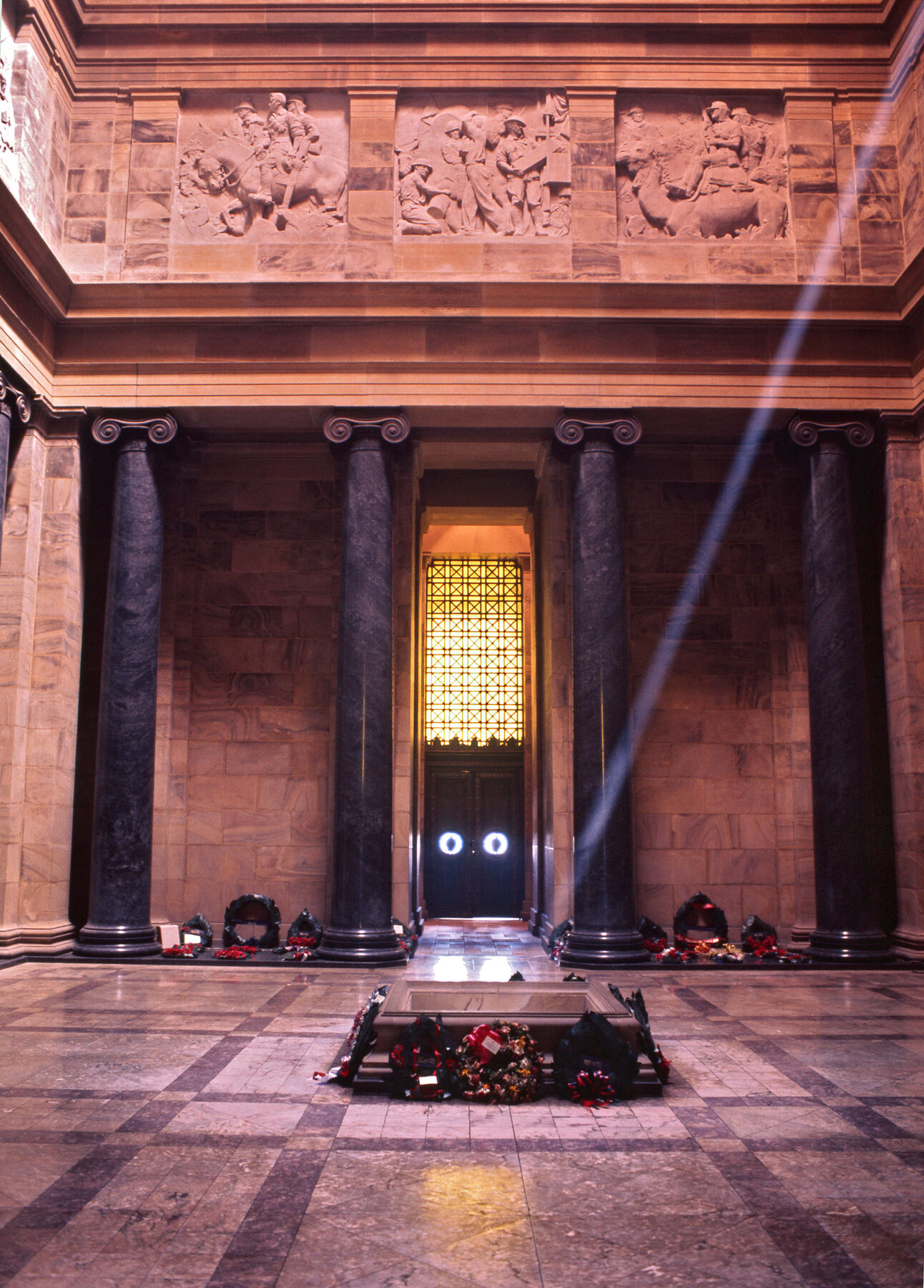
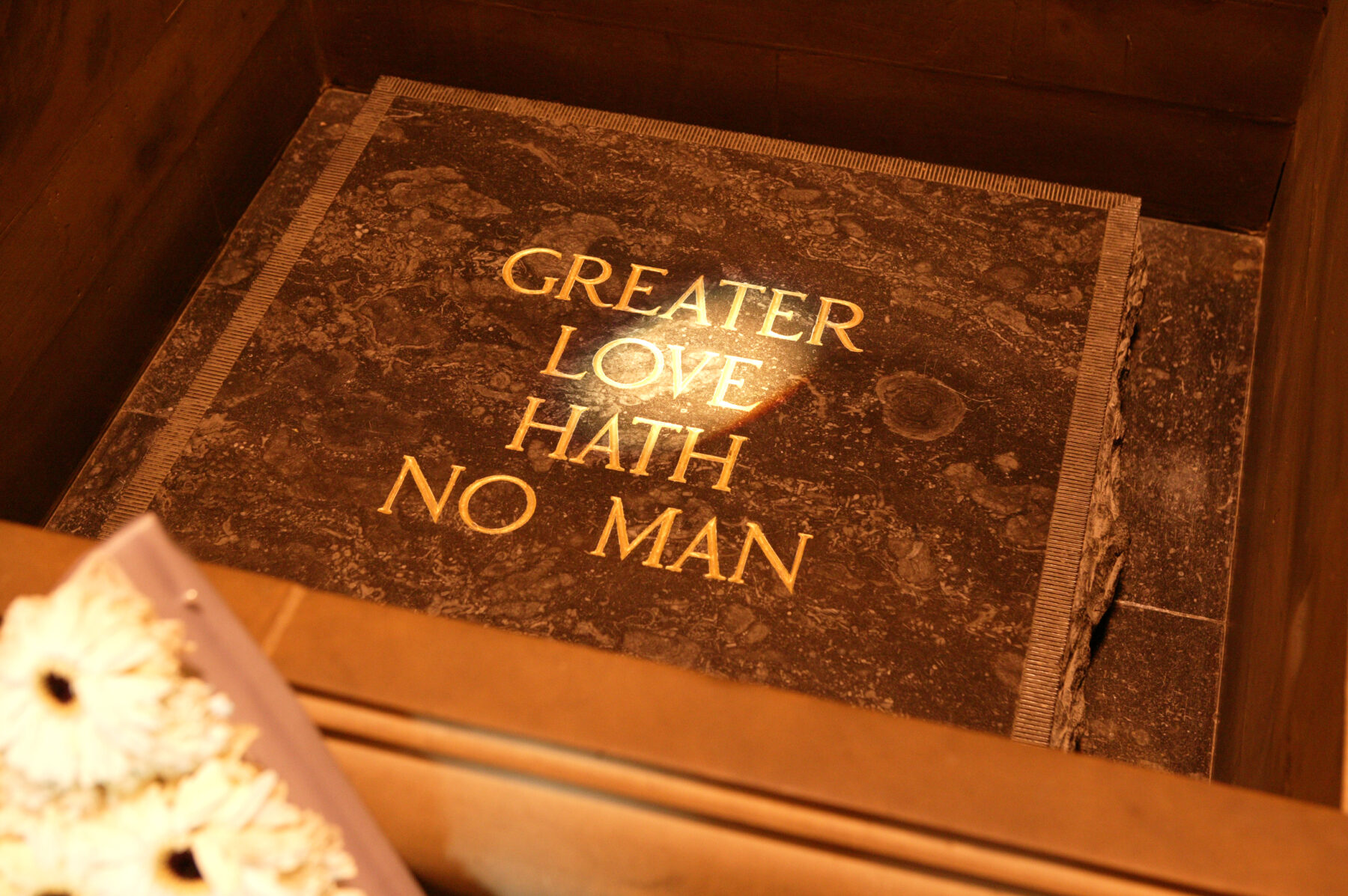
When it opened in 1934, Melbourne’s Shrine of Remembrance was designed so that at precisely 11am on 11 November (Remembrance Day), a beam of sunlight shone directly through an aperture in the roof and illuminated the word ‘love’ in ‘Greater love hath no man’, which is etched onto the Stone of Remembrance.
The introduction of daylight saving in Victoria in 1971 threw a cat among the pigeons, and a system of mirrors is now used to replicate the natural ‘Ray of Light’ ceremony. Of course, that all goes pear-shaped if it’s cloudy, but most visitors stay until 12pm when, with the mirrors removed, the original effect occurs naturally.