A complete guide to Coolgardie, WA
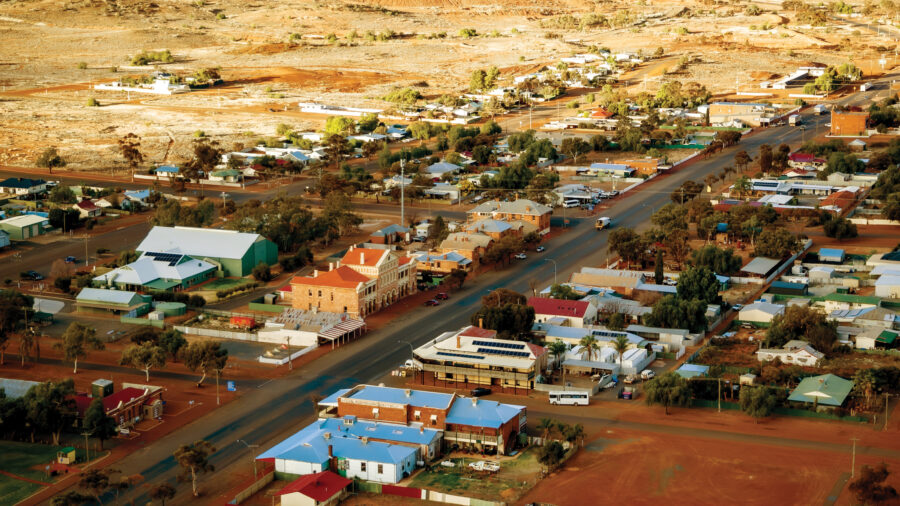
There was a time when 25,000 people – mostly gold prospectors – lived in and around Coolgardie. It was a wild mining boom town with a main street wide enough to turn a camel train, which suggested people believed it would thrive for centuries. Even today the Shire of Coolgardie announces itself as the ‘Mother of the Goldfields’, its eponymous town a small settlement driven by curious tourists and wild optimists who seek and mine gold in the area.
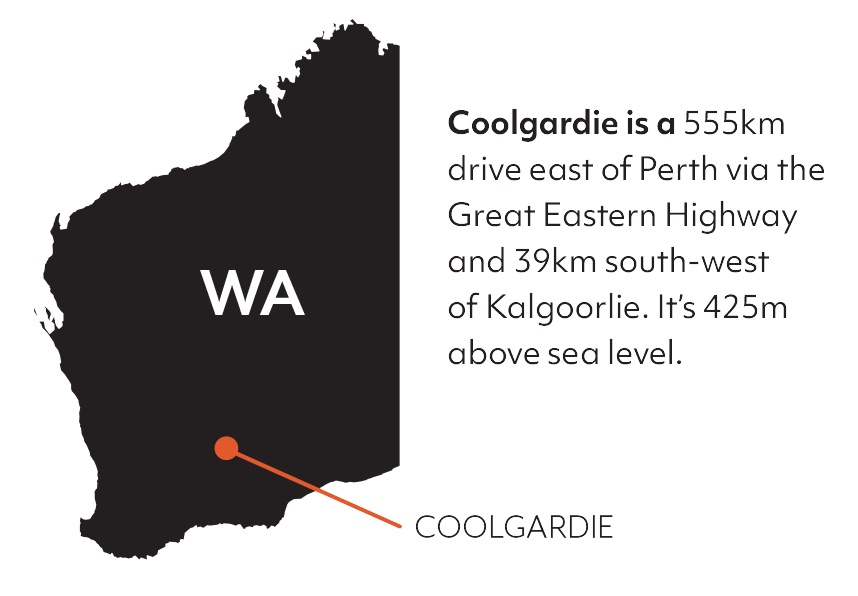
Coolgardie offers a unique chance to explore a once-prosperous goldmining town with a main street still lined by imposing 19th-century buildings – hotels, clubs, banks and office blocks.
“It swarmed [at its peak] with diggers and speculators when the teams arrived,” wrote WA author Katharine Susannah Prichard in her book The Roaring Nineties. “Auctioneers bawled from their rostrums set up in the open. Goods were sold before they left the camels’ backs.”
Today Coolgardie is a remnant of the exciting, bustling and prosperous town it once was. Virtually every building on the main drag, Bayley Street, is of historic importance, and many are heritage listed.
Excellent signage offers unrivalled insight into life in a late 19th-century mining boom town. The markers, with their old photographs and historical details of sites that are now ruins or vacant blocks, give a real sense of what the town was like in the 1890s.
Origin of name: Various sources claim Coolgardie originally comes from a Wangkatha First Nations word, ‘Kurl-Kurti’, which describes a type of mulga tree that grew near a waterhole in the area.
Things to do
Historic Coolgardie
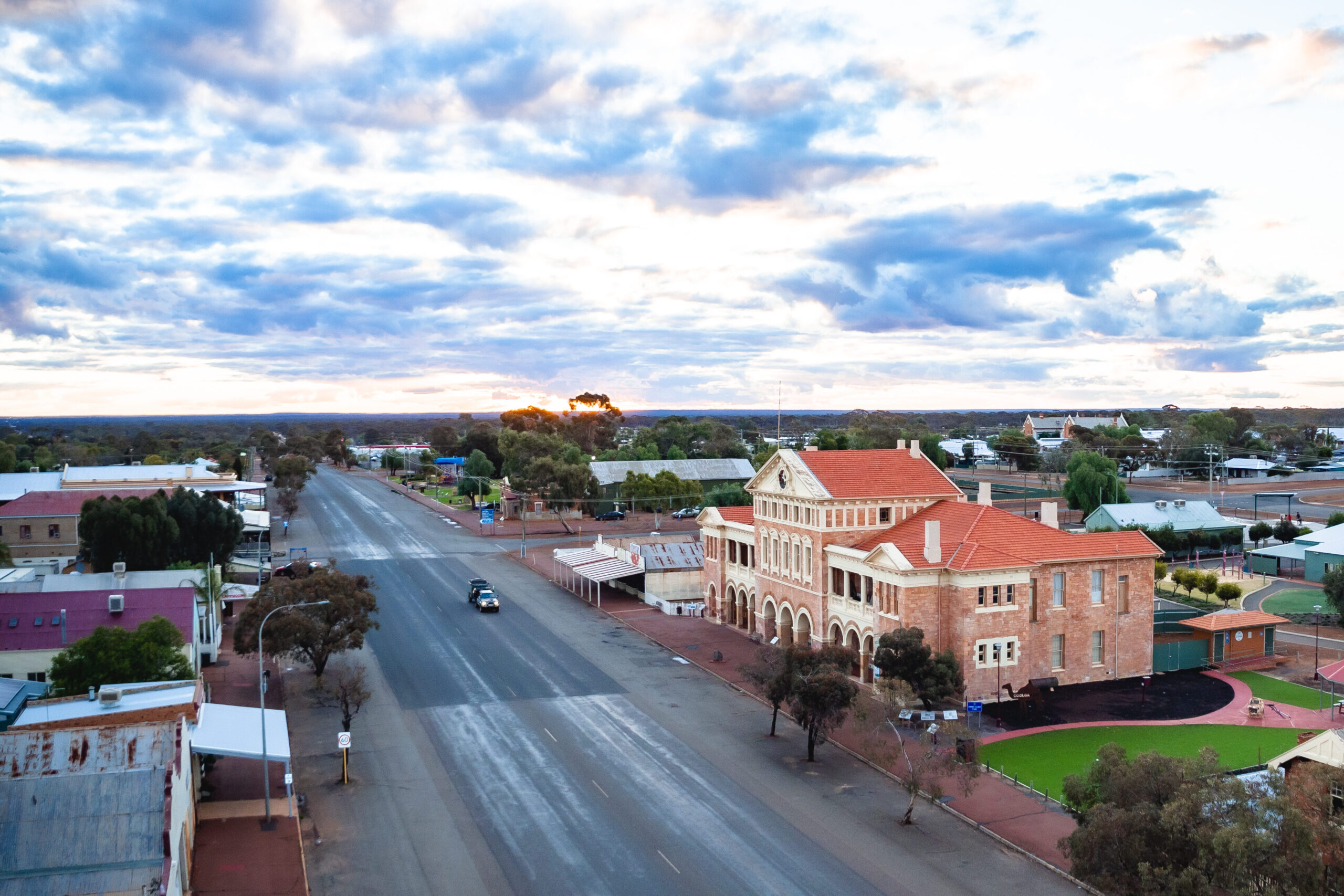
Plaques with detailed descriptions and old photographs are located throughout the town. You can easily spend hours exploring the main street, side roads and town cemetery.
Goldfields Exhibition Museum
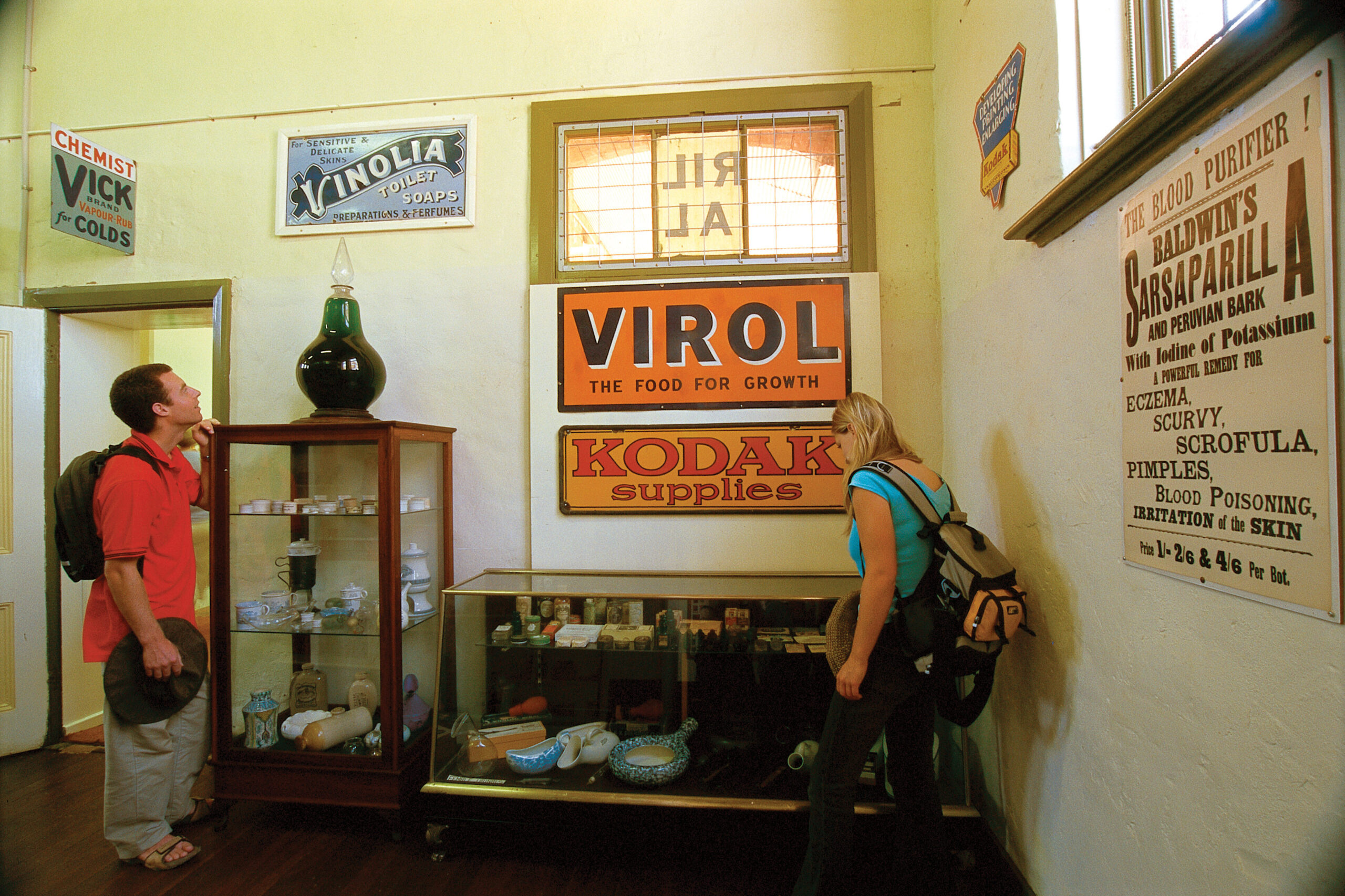
Located in the old Warden’s Court building, this museum offers a great introduction to the town’s ‘roaring days’ with an extensive collection of historic photographs and memorabilia spread across two floors. It also boasts one of the country’s best antique bottle collections.
Additionally, the museum has a pharmacy exhibit, featuring remarkable displays of old medicines, advertisements for unusual and exotic patent medicines, and equipment used by pharmacists well before pills and potions were mass produced.
Marvel Bar Hotel
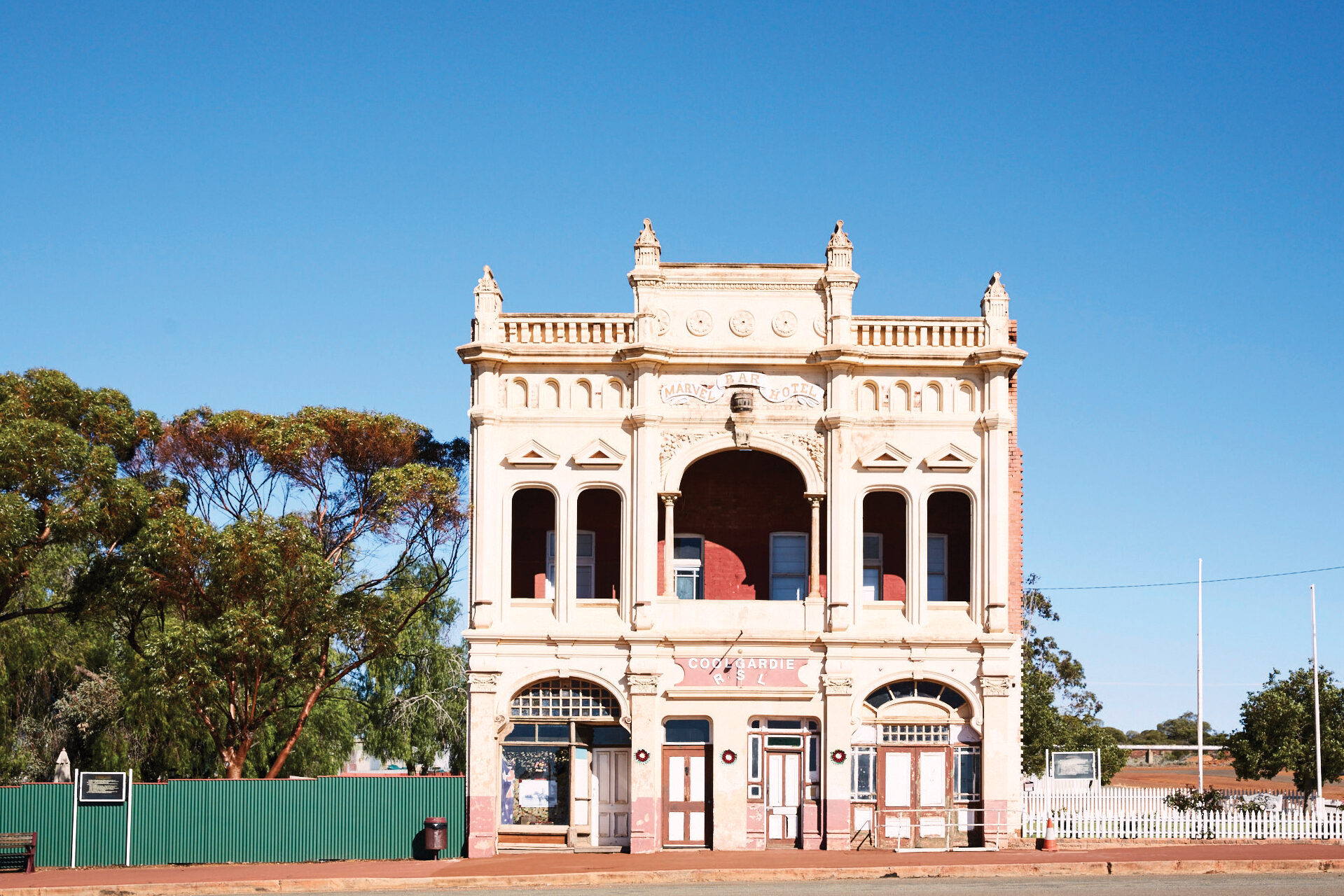
The grandeur of this 1898 building encapsulates the expectations and wealth of the town at its economic height.
A plaque in front of the building explains: “This is all that is left of the Marvel Bar whose reputation was such that it found a place in the memory of nearly every pioneer resident of Coolgardie…it supplied good cheap meals. The owners were always prepared to give a free meal to a prospector down on his luck. Everyone was made to feel welcome irrespective of whether he was well dressed or in dirty clothes.”
Warden Finnerty’s House
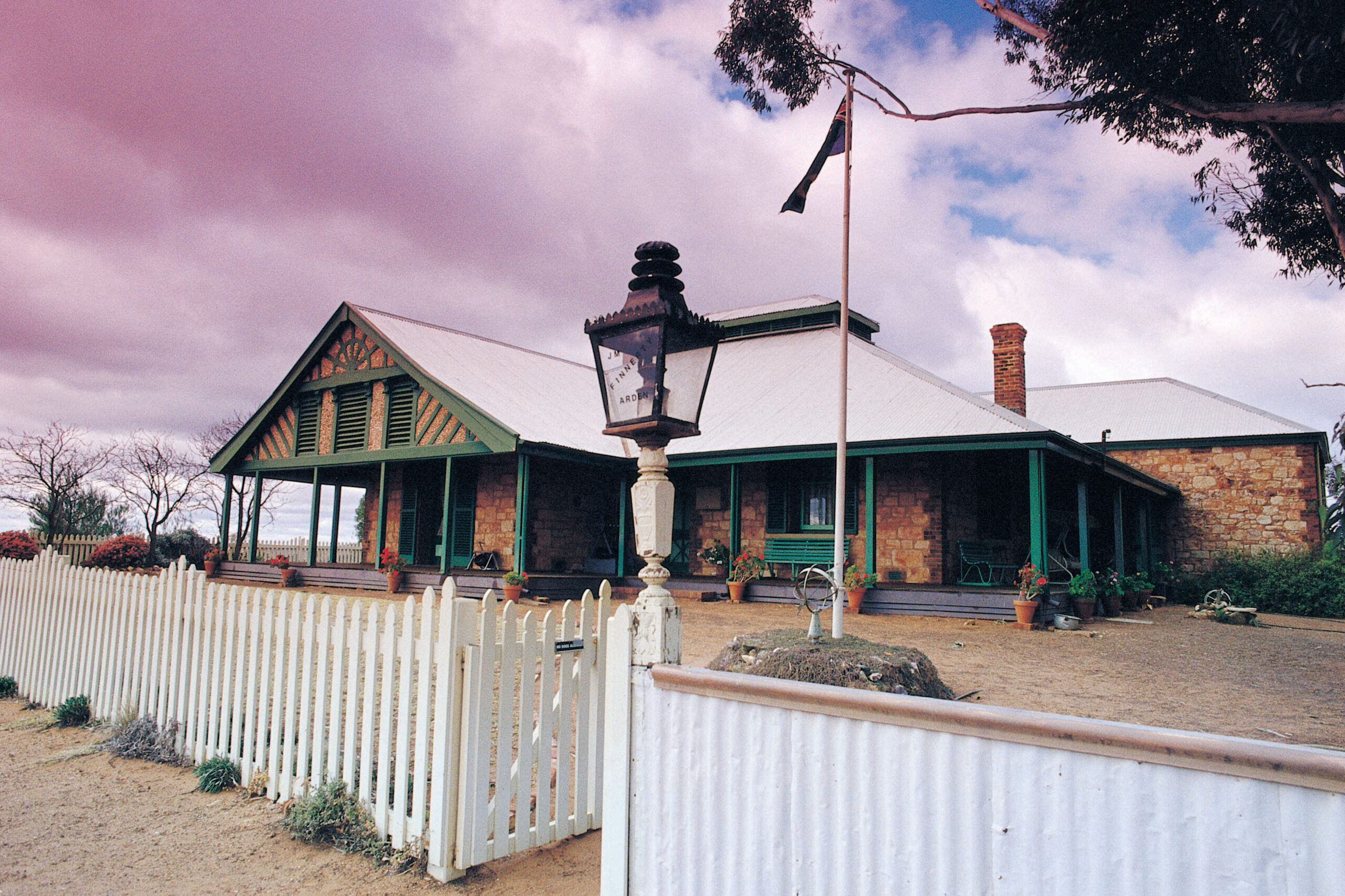
Also known as ‘The Residence’, this house – at 2 McKenzie Street – was built in 1895 for John Michael Finnerty, the town’s first resident magistrate and mining warden. Made from local stone, the house is a fine example of Australian vernacular architecture, created to suit the uniquely difficult desert conditions. It was built by brothers Robert and Arthur Bunning, who founded Bunnings Bros (now Bunnings Warehouse).
Ben Prior park
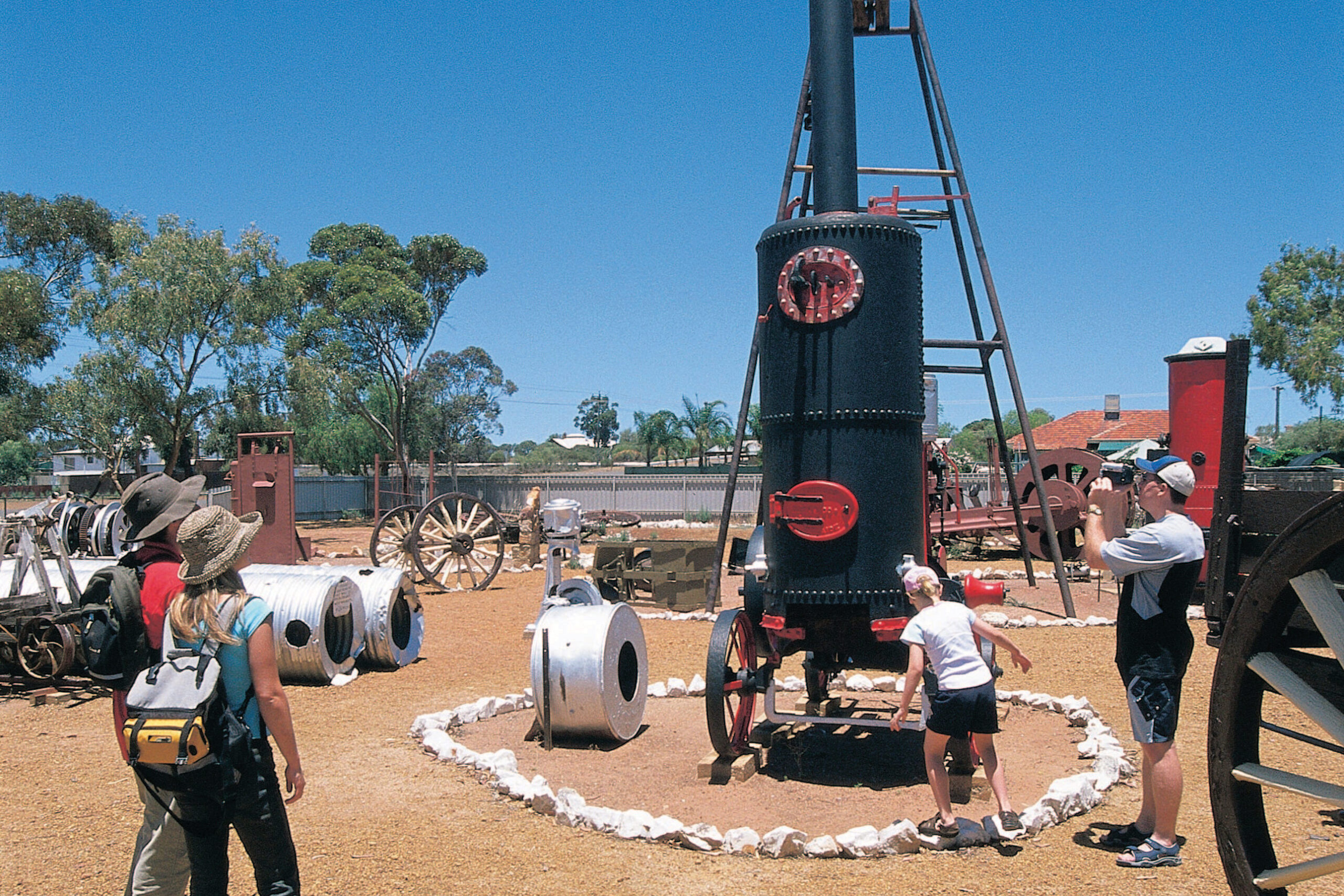
This quirky open-air museum, on the corner of Hunt and Bayley streets, displays an assortment of historical machinery and mining paraphernalia collected by Coolgardie resident Benjamin Prior during his lifetime.
Cemetery
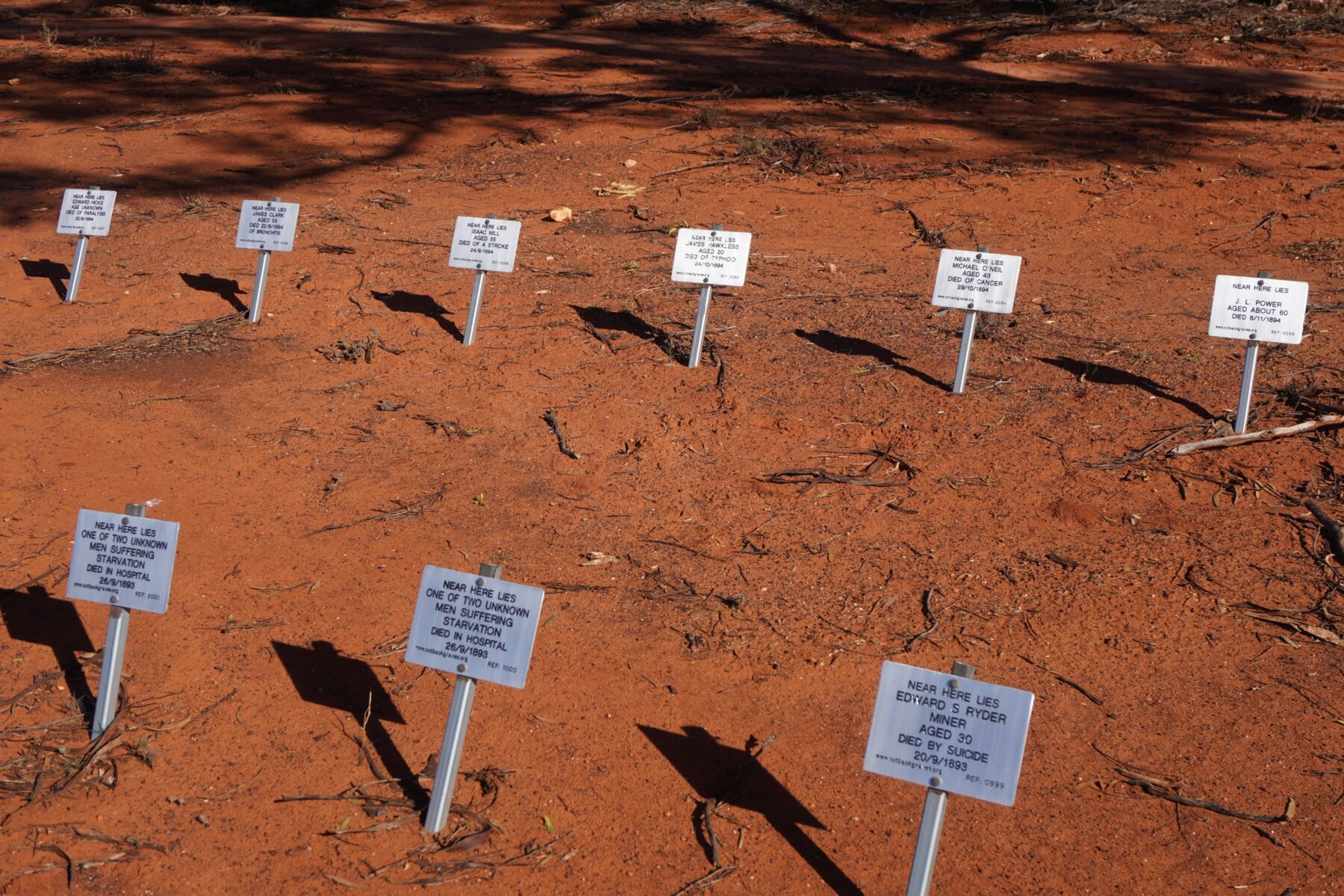
During the mining boom there was little water, and infectious diseases, particularly typhoid fever, were common. As a result, large numbers of people were buried who had died from disease. Read the headstones in the cemetery here and you’ll see other common causes of death included accidents while digging for gold, and childbirth.
The cemetery’s most significant grave is of explorer Ernest Giles who, in 1875, crossed from South Australia to WA by making his way from waterhole to waterhole.