Paddleboarding pups sniff out elusive platypus

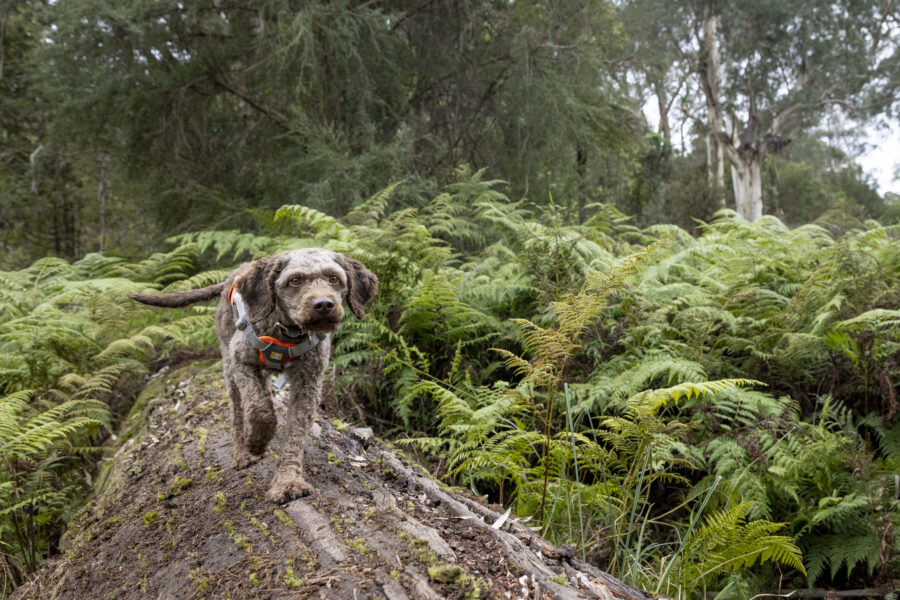
Kip the kelpie-cross and Moss the labrador – two members of Zoos Victoria’s Wildlife Detection Dog Squad – have learned to join their handlers on paddleboards to detect platypuses in the zoo’s Healesville Sanctuary creek system.
Kip and Moss are experienced wildlife detectors, helping fight the extinction of some of Australia’s threatened species, including the native broad-toothed rat, the Baw Baw frog and the grassland earless dragon.
Now turning their prowess to the platypus, Wildlife Detection Dog Squad officer Dr La Toya Jamieson said learning to use the paddleboards allows access to trickier locations, such as those with deep water, including previously inaccessible parts of Coranderrk (Badger) Creek on Wurundjeri Country. This increases the valuable data they can provide to researchers, giving a fuller picture of how the species is using the waterway and informing future conservation decisions.
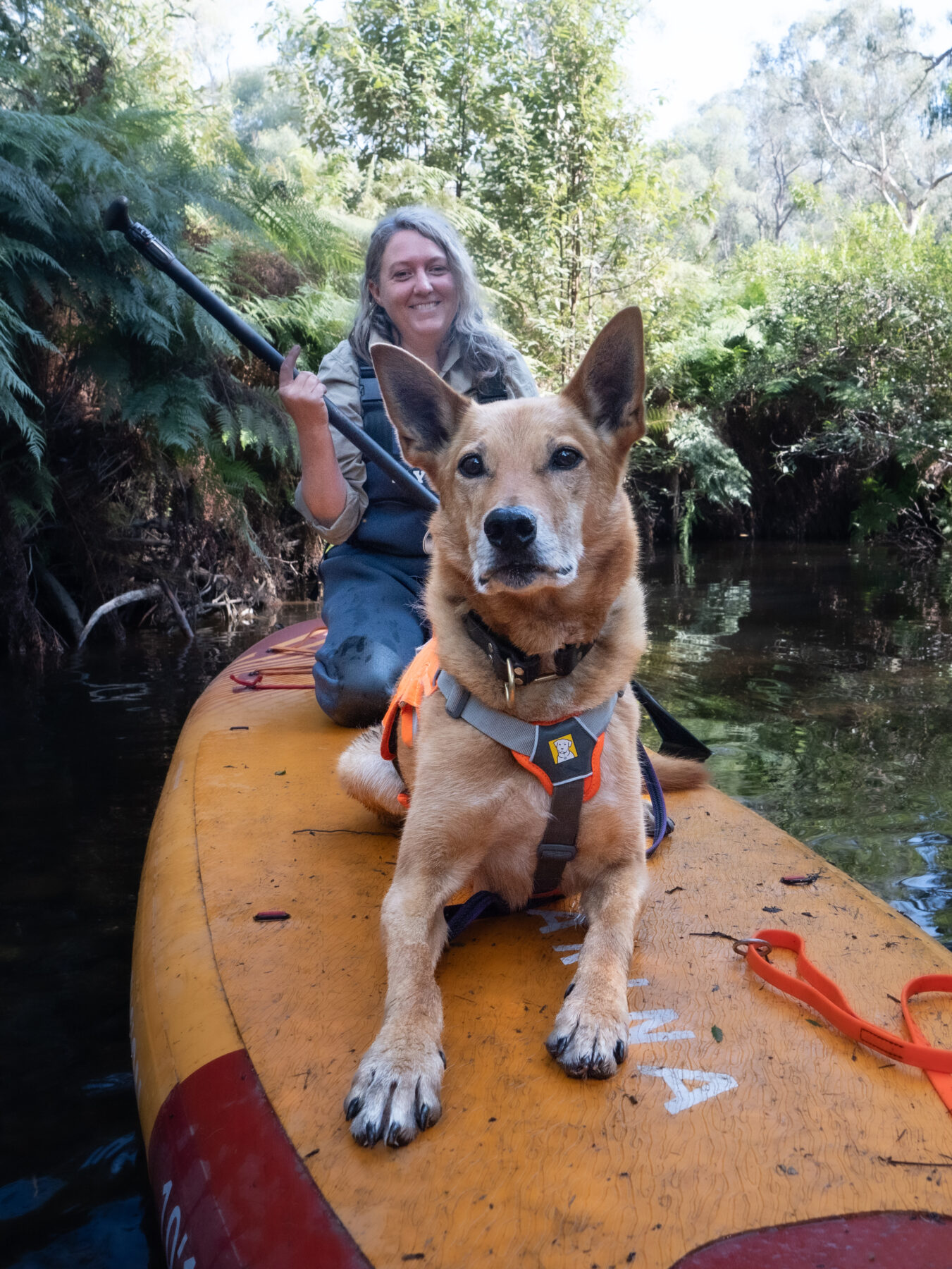
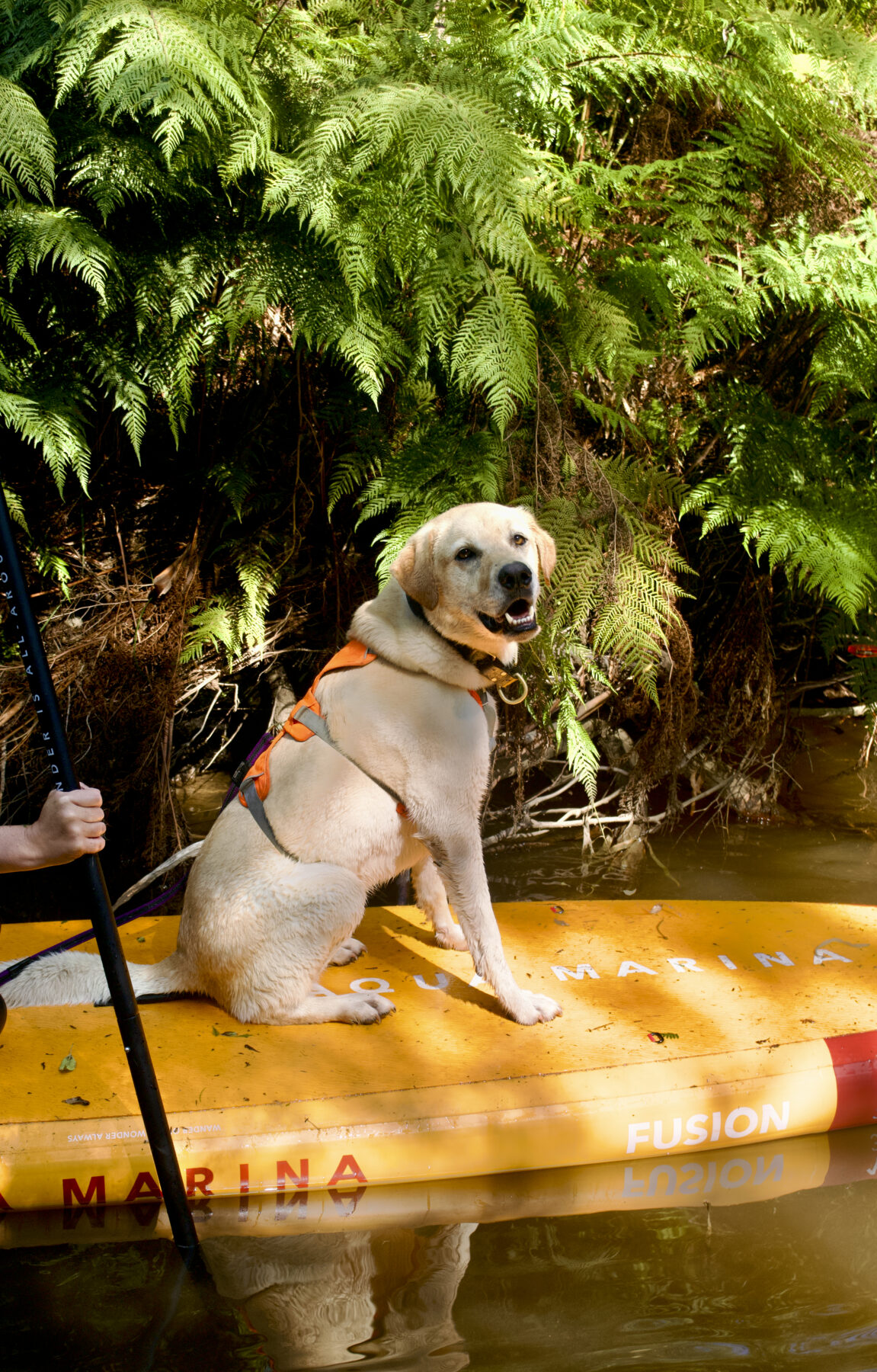
The dogs might make it look easy, but they’ve undertaken a ‘Fit to Work’ conditioning program developed by the University of Pennsylvania’s Penn Vet Working Dog Center.
“Kip and Moss need to use a lot of balance and core strength to search from paddleboards,” Dr Jamieson said.
“So it was important that we built up these core muscles on dry land first. Gradually, when the dogs were comfortable, we introduced them to working from the water.
“It has allowed our teams greater flexibility in the locations we survey with the dogs and reduced the risk of the dogs encountering snakes sunning themselves on the creek banks.”
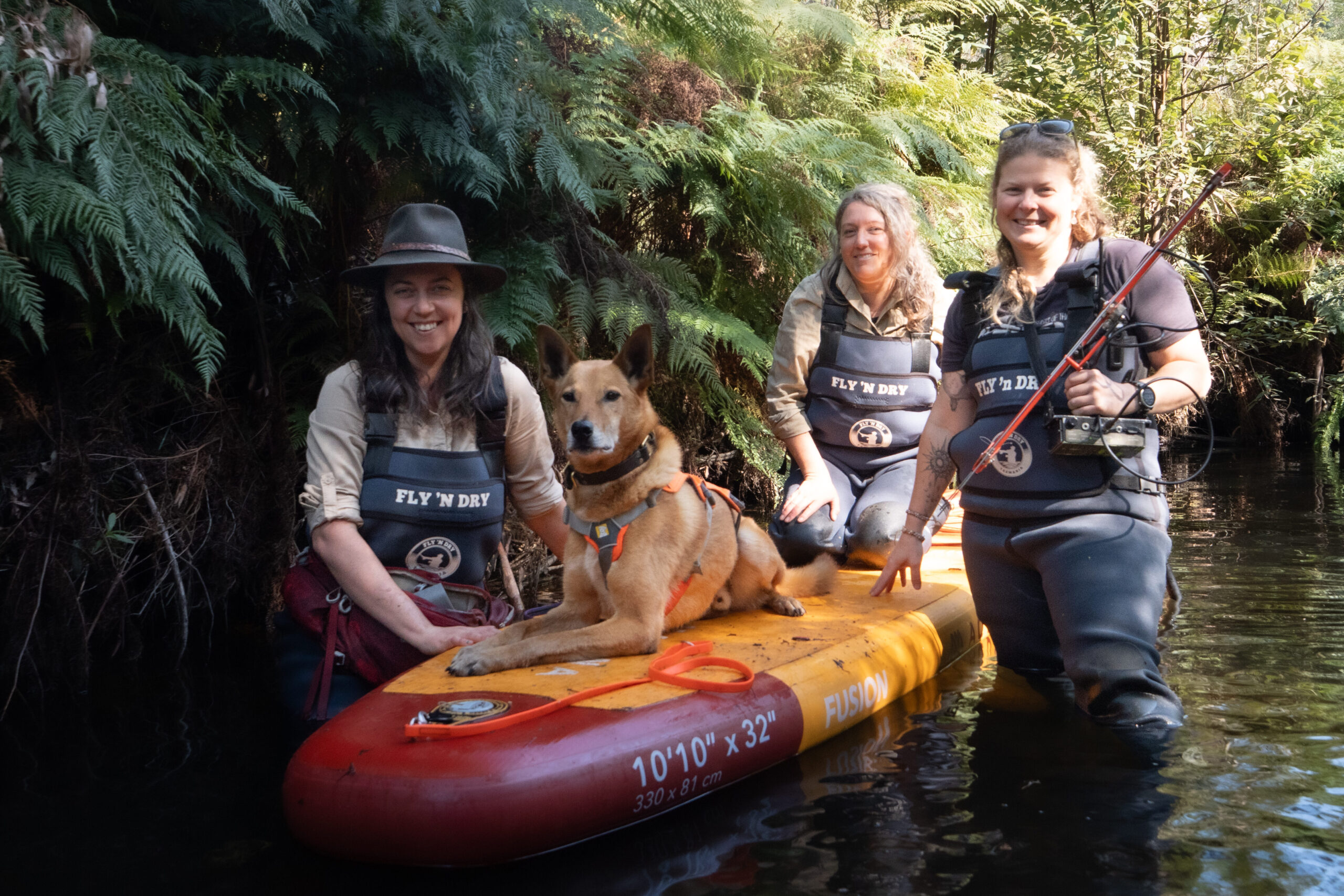
She said communication between the dogs and handlers was also developed during training.
“On land, the dogs can search freely and decide where they go. Whereas [on the water] their movement is restricted, and they rely on their handlers to move the board through the search area to detect odour.
“It’s paramount that the handlers are learning to closely read the dogs’ behaviours. Effective communication and the bond between dogs and humans are the cornerstone of success for this survey method.”
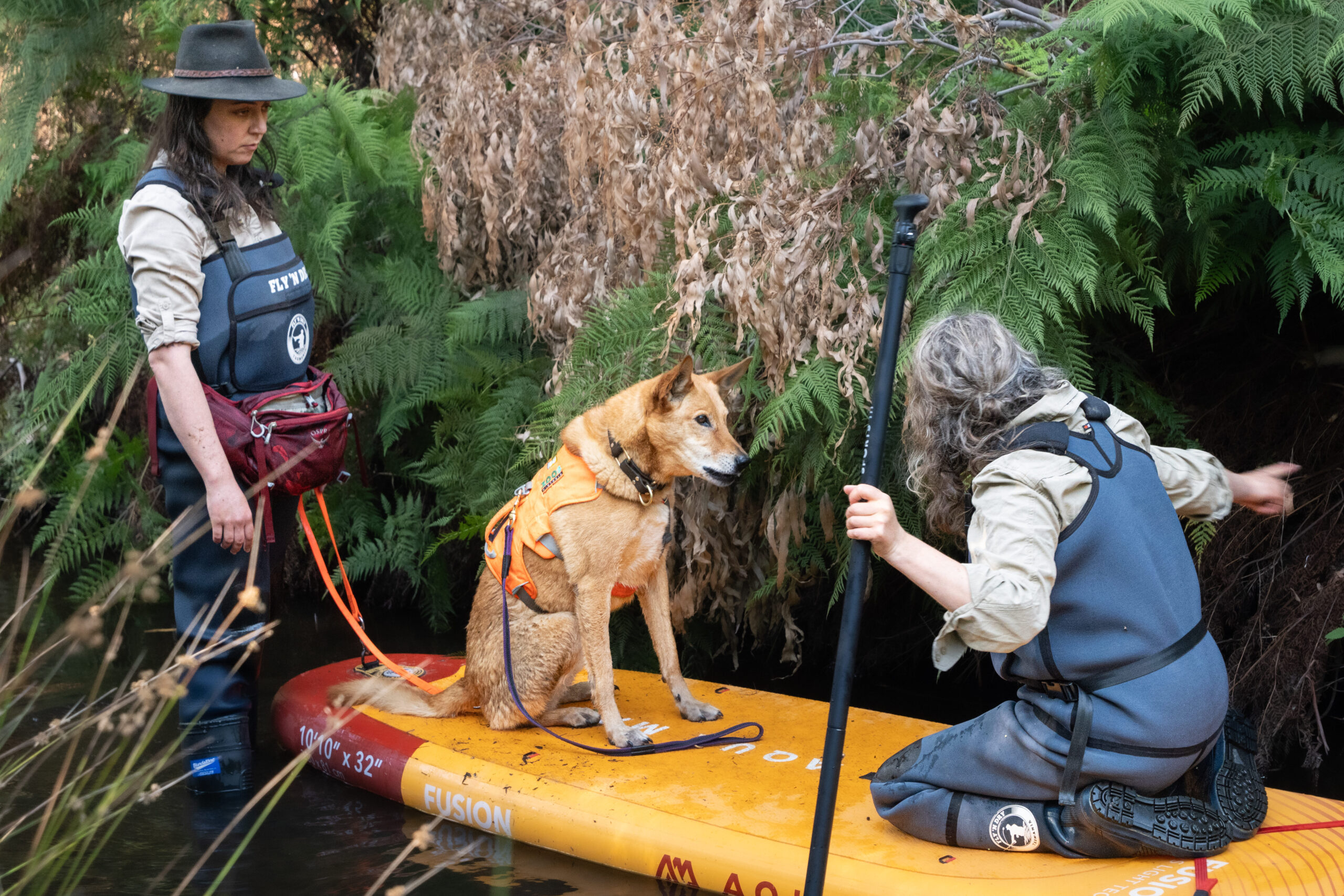
The dogs typically search for platypuses between February and May, when young adults emerge from their mother’s burrow to explore and find their own burrow. They’re trained to detect empty burrows and those that are inhabited.
The squad
Zoos Victoria’s Wildlife Detection Dog Squad was established in 2019 to help field researchers locate elusive threatened species and their traces, such as scat. The dogs are trained to search steadily and alert to their target at a distance that ensures the animals aren’t disturbed.
The squad focuses on the relationship between humans and dogs and applies the latest scientific advances in animal training, husbandry and welfare. Their work extends to many of Zoos Victoria’s 27 local priority threatened species.
New rehabilitation centre
The pups are ready to jump on their paddleboards just as Healesville Sanctuary celebrates the opening of stage one of its new $1 million Australian Platypus Conservation Centre.
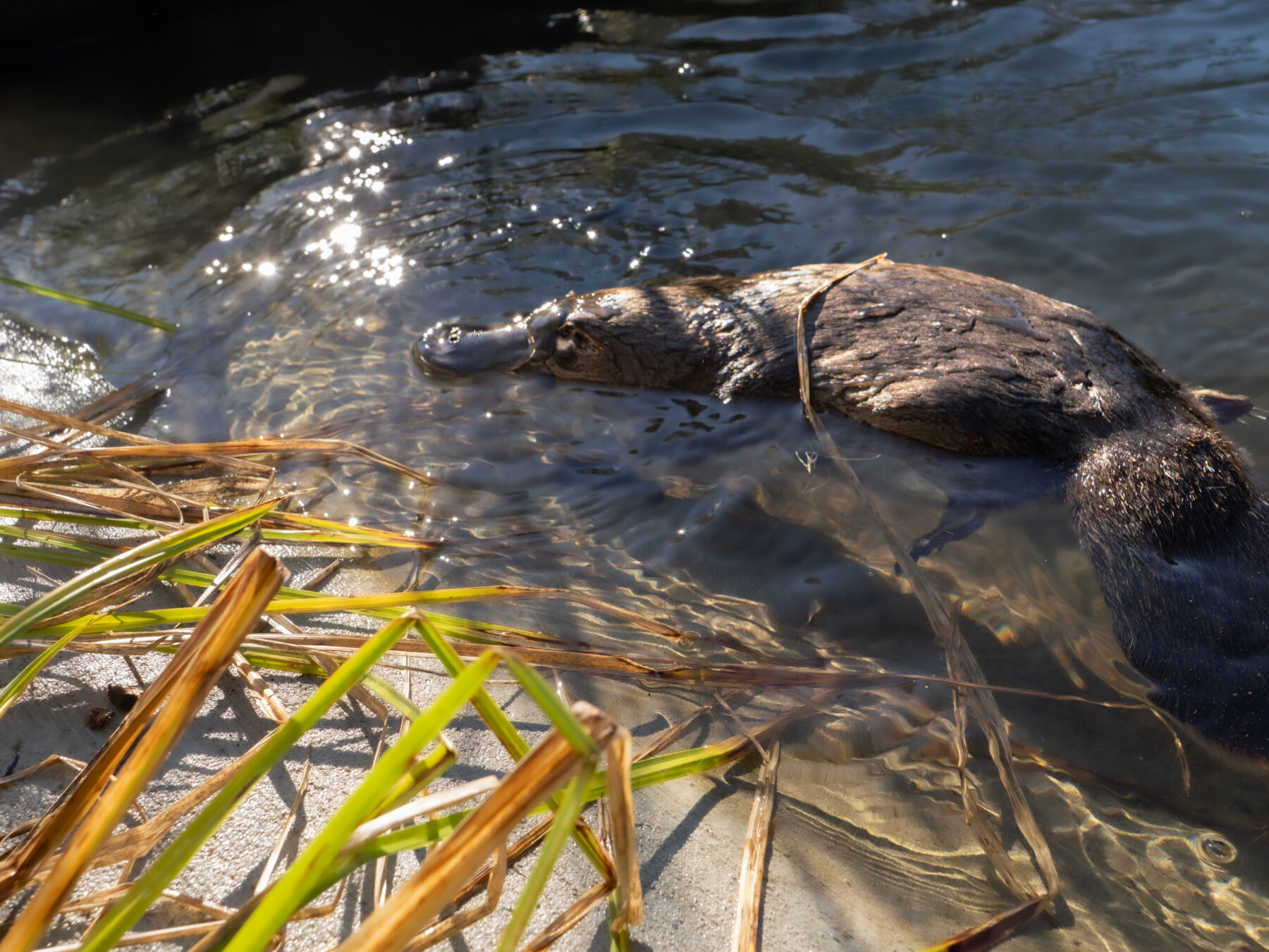
The platypus is listed as Vulnerable in Victoria and Endangered in South Australia. According to the Australian Platypus Conservancy, a loss of habitat and illegal fishing practices are among the biggest threats to the species.
The new conservation centre’s mission is to rehabilitate and return sick or injured platypuses to the wild. The centre includes nine connecting clear water ponds of various depths and water flows, and banks for burrowing.
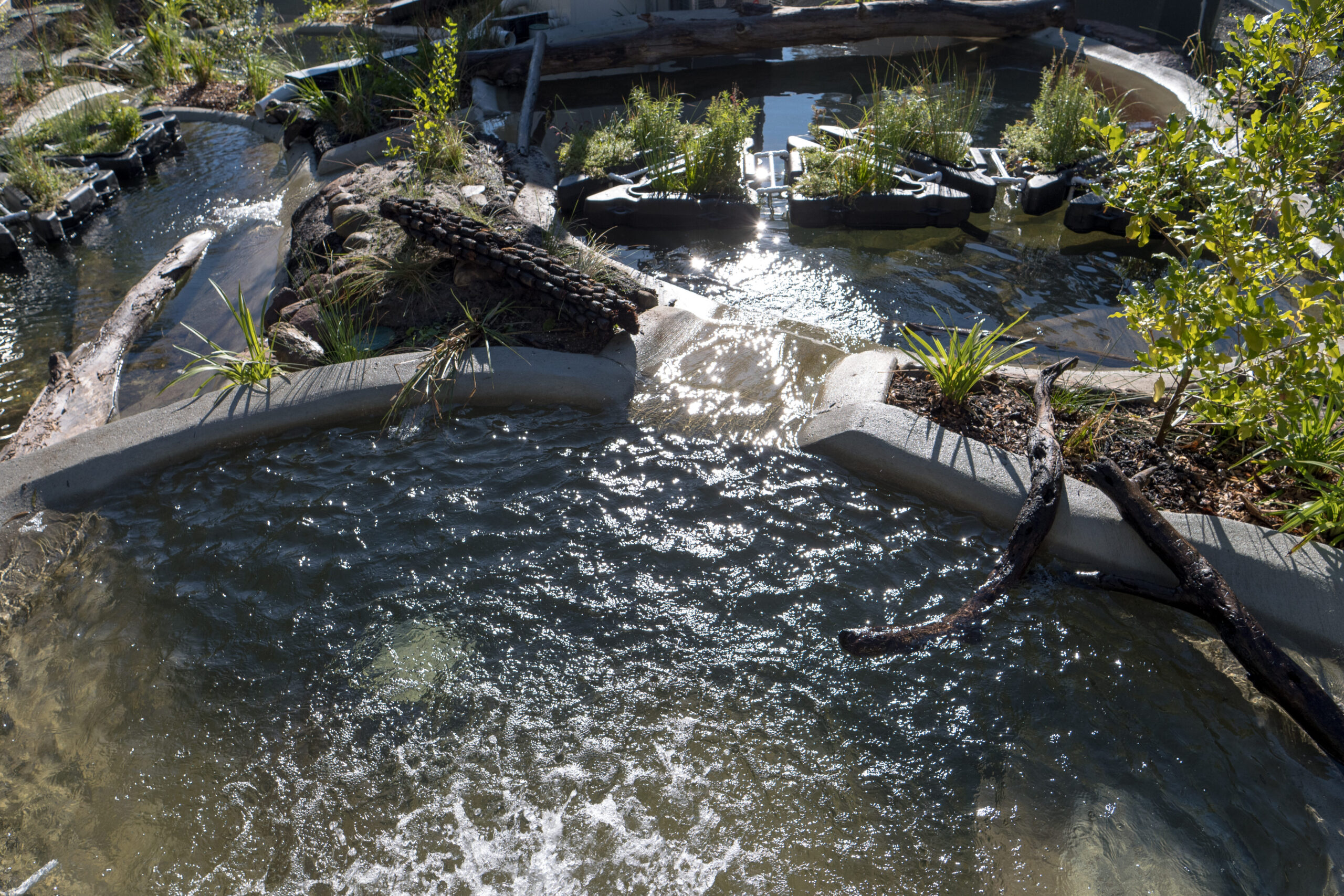
Healesville Sanctuary platypus specialist Dr Jessica Thomas said injured platypuses brought to the sanctuary were often the victims of dog attacks or litter entanglement.
She said the centre would allow for life-saving work and important research to continue, although she added that there’s still so much to learn about the elusive monotreme.
“The dedicated research hub is fitted with cameras, which means we can observe their behaviour and make sure they are physically fit for the wild,” Dr Thomas said.
“We’ve been testing the waters with one of our resident platypuses called Millsom. He came to us 23 years ago as an orphaned nestling, and rehabilitation ponds like these could have helped him greatly.”
Stage two of the centre’s development is expected to be completed in 2026.