Celebrating Australia’s merry, once-misunderstood native mistletoe
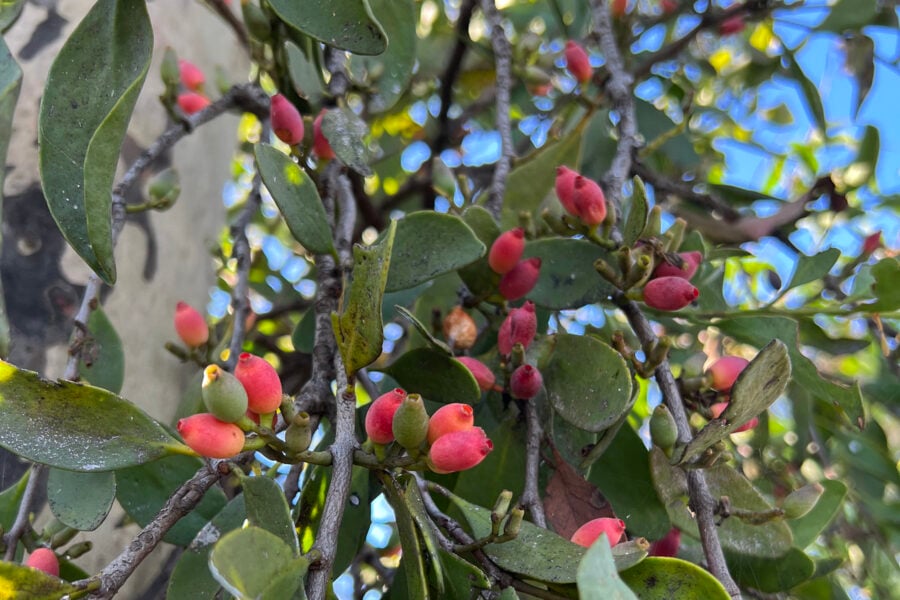
It’s hard to miss mistletoe at this time of year. Even if you don’t celebrate Christmas, mistletoe is all around – in carols on the radio, in decorations hung in shop windows and in jokes about Santa or someone else being kissed beneath a sprig of it.
“There’s a tradition of associating Christmas with mistletoe that goes right back to pagan belief systems,” Charles Sturt University professor of ecology David Watson, a globally recognised authority on mistletoe, tells Australian Geographic.
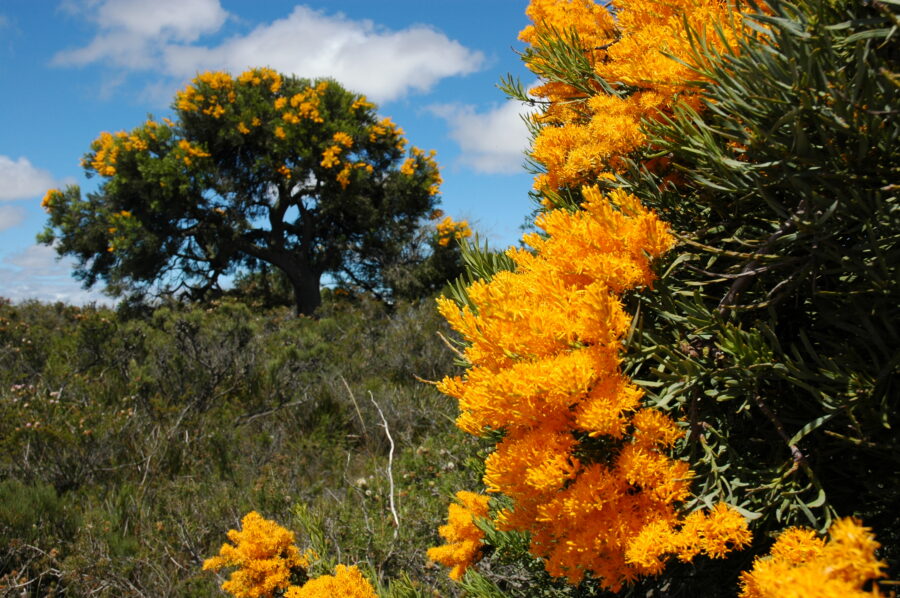
But for David, Australia’s almost 100 species of native mistletoe are worth celebrating all year round.
“We’ve got representations of lineages [of mistletoe] that date right back to Gondwana days. So, they are as Aussie as emus and kangaroos.
“We think of Australian soils as very nutrient-poor, but you add a mistletoe to a woodland, even at very low densities, and it fundamentally changes the availability of nutrients. Otherwise, comparable areas with more mistletoe support consistently far more wildlife.”
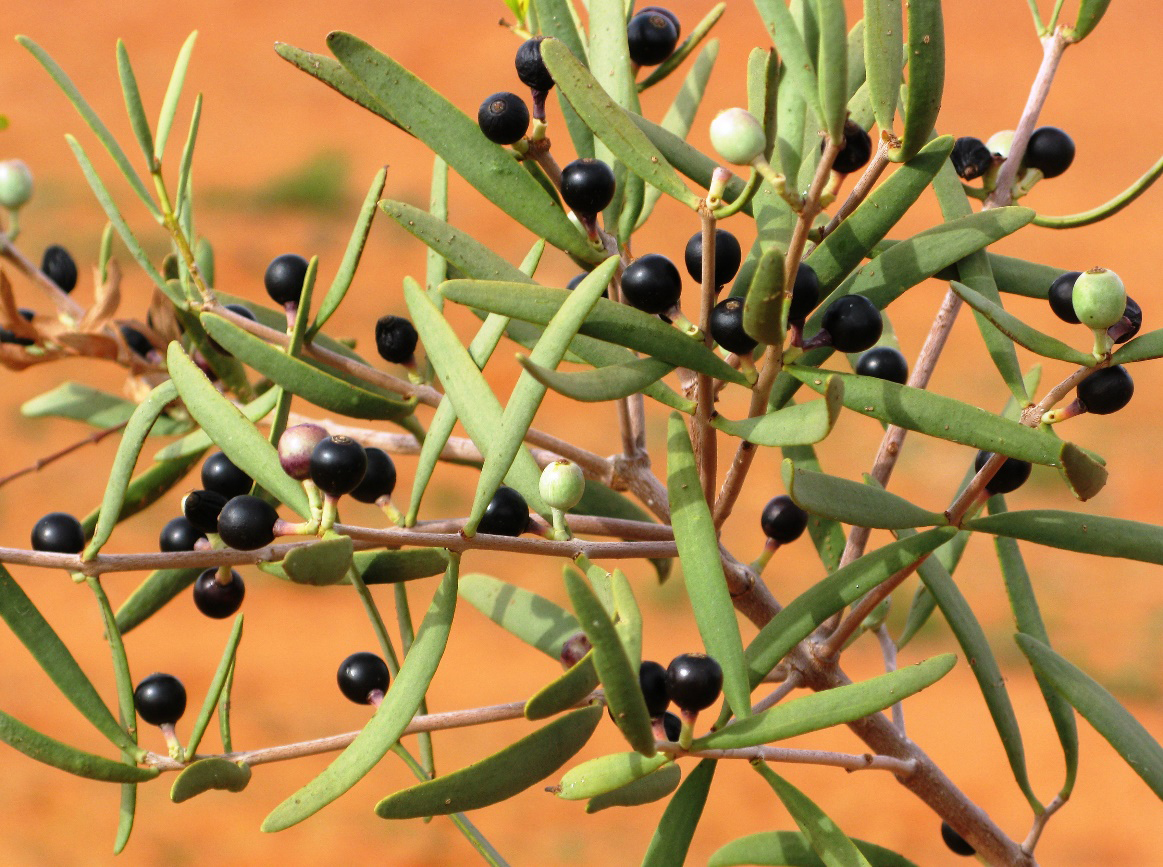
These days David finds enthusiastic audiences all over the world for his research into the ecological importance of mistletoe. But he says that wasn’t always the case in Australia, because mistletoe’s ‘parasitic’ growth habit of attaching itself to host plants has been deeply misunderstood.
“When I first started this work in the 1990s, mistletoe was a dirty word. It was seen as a nasty plant that [needed to be] got rid of. But then people learned more. Mistletoe is now seen as a solution,” David says.
A conservation focus
David says land managers and conservation organisations are catching on to what First Nations peoples have known about mistletoe for thousands of years.
“It might be new to Western science, but there’s a lot of traditional First Nations wisdom and understanding around mistletoe,” David tells Australian Geographic.
A mistletoe conservation program is happening on Wonnarua Country, in the New South Wales Hunter Valley region, led by the Mindaribba Local Aboriginal Land Council.
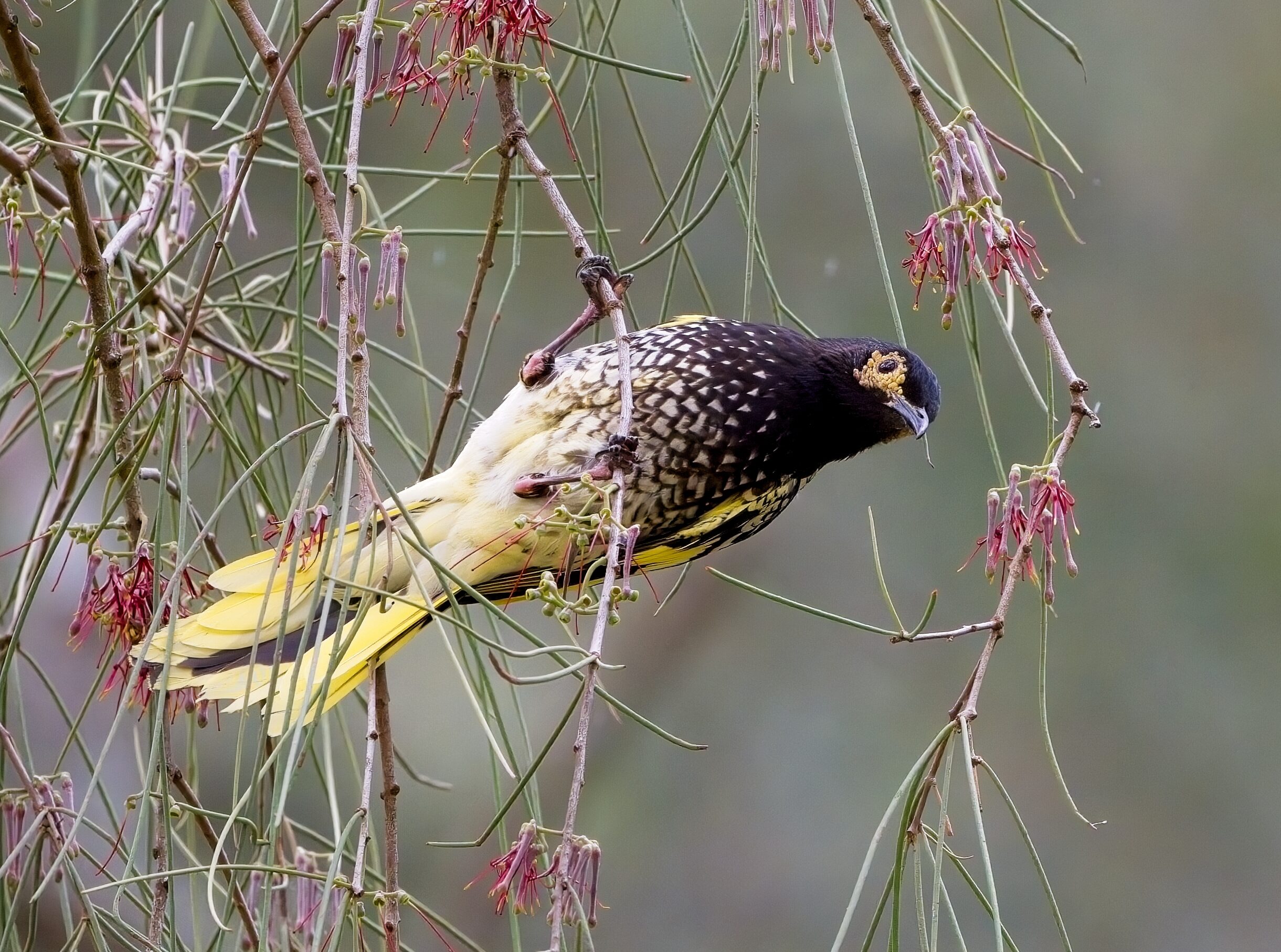
Mindaribba ranger coordinator Joby Patten says mistletoe is an essential part of a healthy ecosystem, supporting mammals, insects, reptiles, birds and its host plants. Thousands of mistletoe seeds have been planted on Wonnarua Country host trees as part of a conservation program for the critically endangered regent honeyeater.
“Mistletoe is a keystone species on Wonnarua Country. Its flowers, fruits and nectar provide a crucial food source for a wide range of animals, including the regent honeyeater. Its dense foliage offers protected nesting sites for small birds. This added structure in the canopy helps create safer breeding environments and improves overall habitat quality,” Joby tells Australian Geographic.
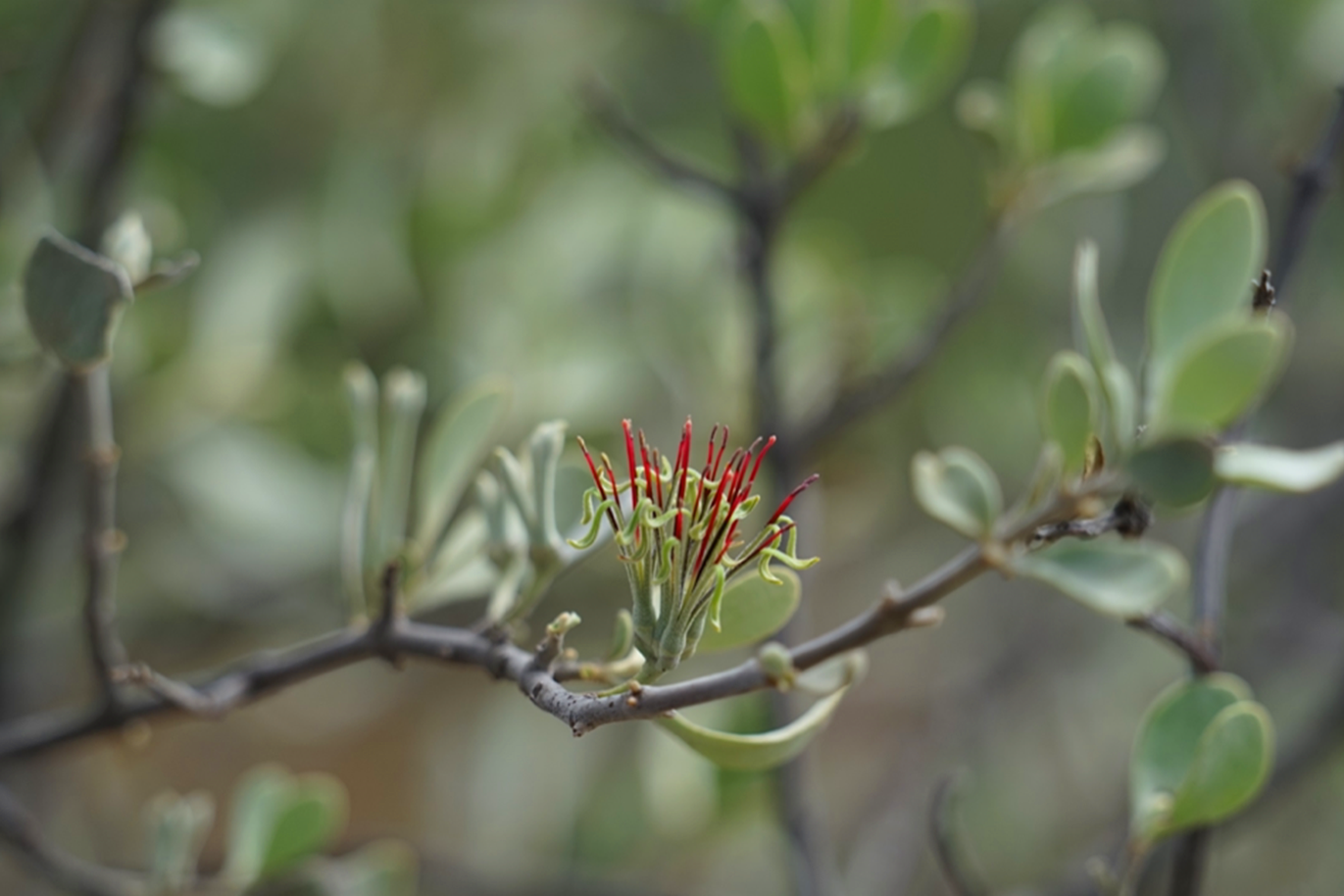
Unlike some Australian native plants, mistletoe cannot regenerate after a severe bushfire.
“To address this, the ranger team is also leading a cultural burning project,” Joby says, “using cooler, more frequent, low-intensity burns that reduce fuel loads and prevent the kind of extreme fire behaviour that destroys mistletoe populations.
“We’ve integrated the mistletoe project into this work by planting seeds across several of our cultural burn sites. This allows us to monitor how mistletoe responds to cooler cultural burns compared to the high-intensity wildfires of the past.
“For us, this project isn’t just about restoring mistletoe. It’s about demonstrating how cultural knowledge, science and on-Country land management can come together to protect biodiversity and strengthen the long-term health of Wonnarua Country.”
Mistletoe giving back
The mistletoe conservation program on Wonnarua Country is a partnership with BirdLife Australia, and its NSW woodland bird project coordinator Kristy Peters is also enthusiastic about mistletoe.
“It’s thought that our native mistletoes have been around for about 50 million years. They have been evolving in conjunction with all of their host trees, which are a lot of our eucalypts and acacias and casuarinas and plants like that. So, they are deeply co-evolved and just as native as those other quintessentially Australian species,” Kristy tells Australian Geographic.
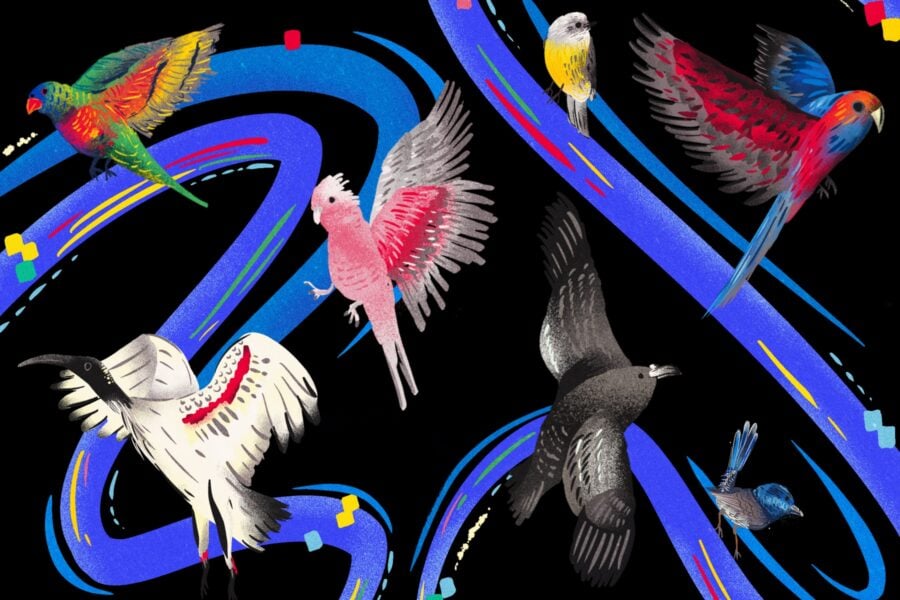
Kristy says restoring mistletoe is helping to bring rare birds like the regent honeyeater and the gorgeously festive mistletoebird – whose life cycle is deeply linked to mistletoe – back to woodland habitats.
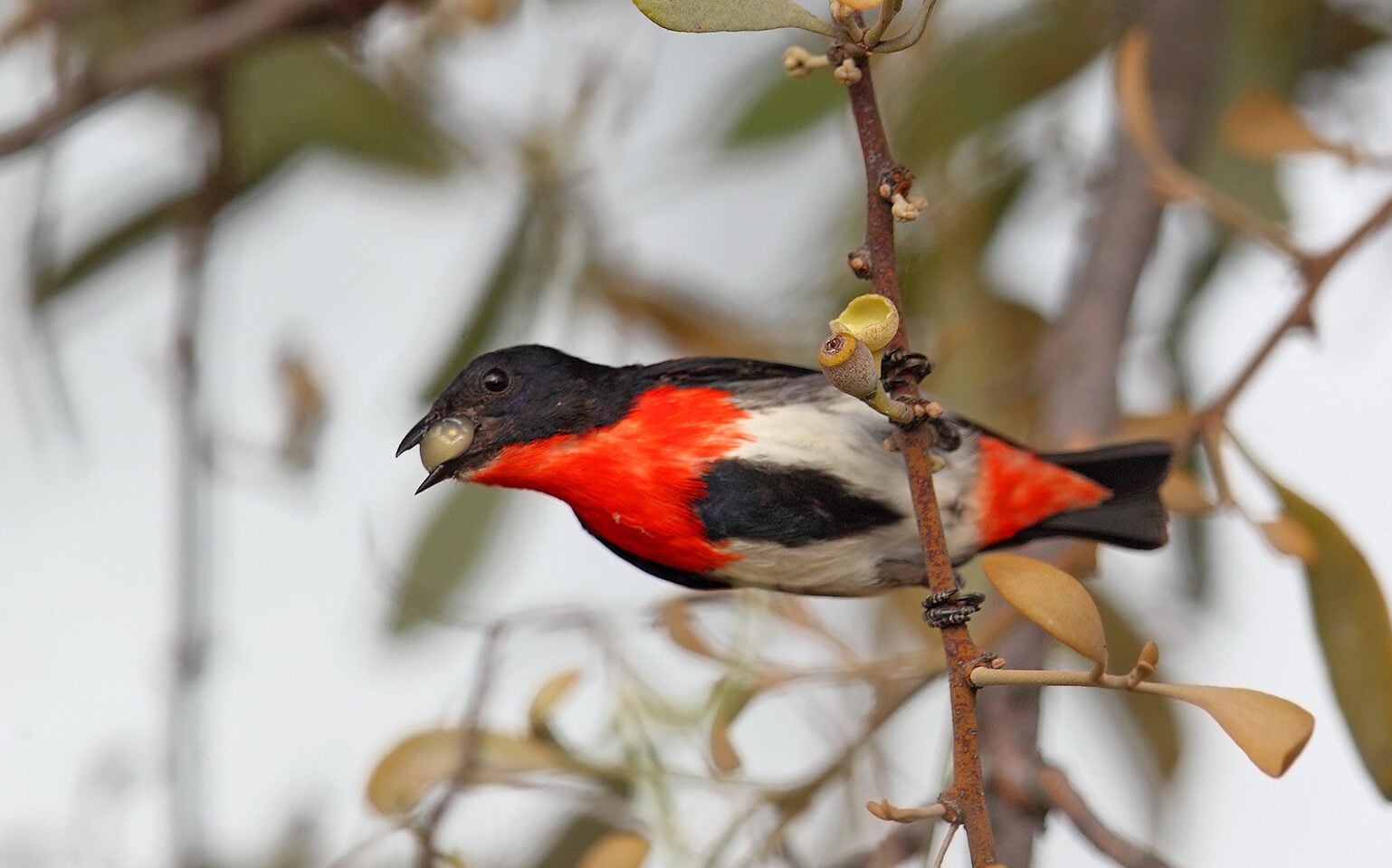
Kristy says Australia’s native mistletoe should be celebrated, and Christmas is a great time to do so.
“They flower and they fruit often through the warmer months, and I think that makes a really lovely parallel for our native species and our summer Christmas, rather than looking to the traditions of other countries. We’ve got our really great Christmas tradition here with our native species.
“Woodland with healthy mistletoe supports a lot more birds, insects and mammals than those areas that don’t have it. I like the idea that mistletoe is giving back, not just taking, just like the Christmas message of giving.”