Recognised as a new species just 14 years ago, this critically endangered marine mammal lives only in Australia – and right under the noses of millions on Melbourne’s doorstep.
After centuries of being mistaken for its bottlenose cousins, the Burrunan dolphin (Tursiops australis) was formally described in 2011 – the first ever to be identified as endemic to Australian waters.
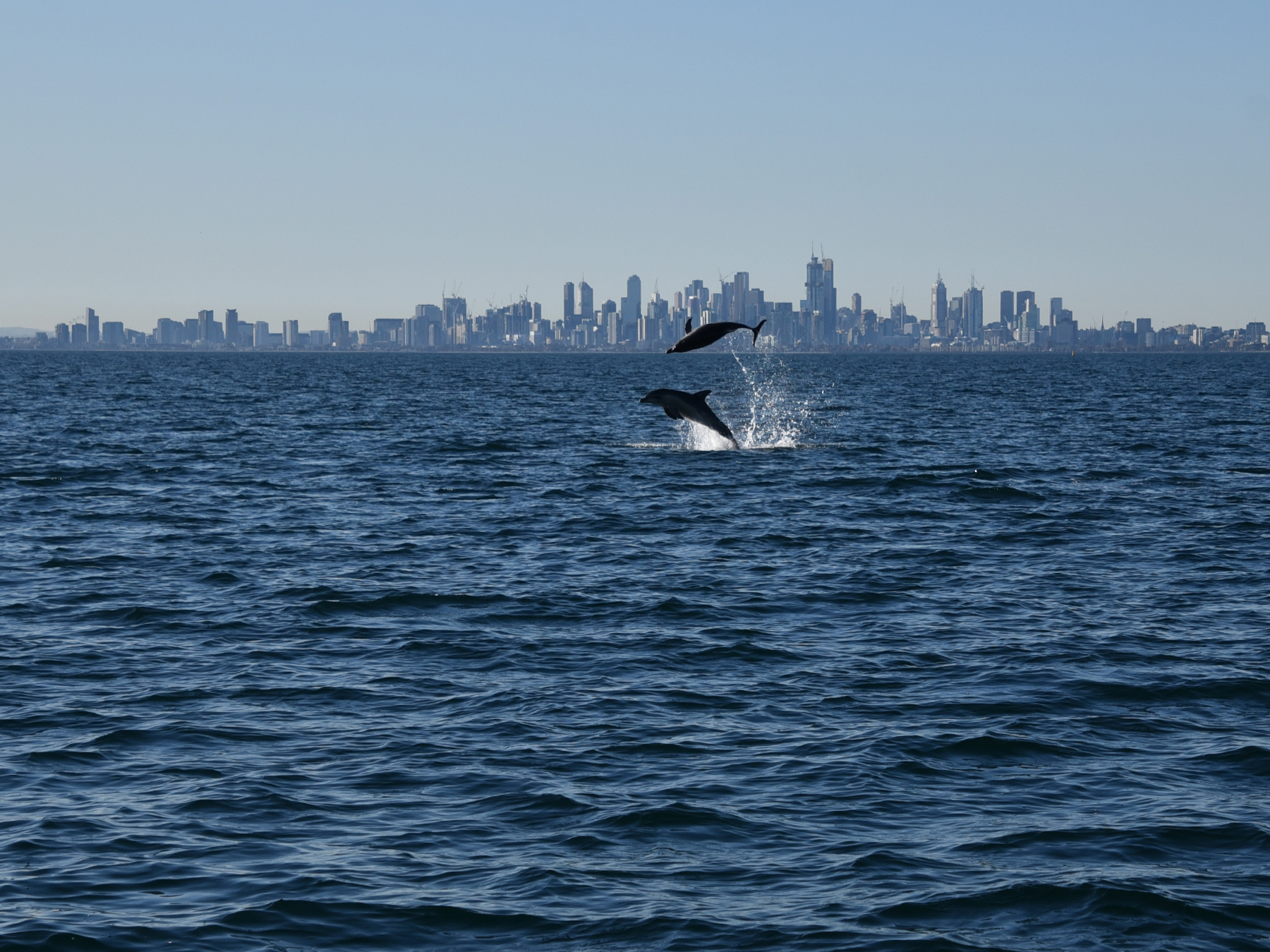
Today, around 120 individuals are found in Port Phillip Bay and just 30 in the Gippsland Lakes, with lesser-known populations also recorded in Tasmania and South Australia.
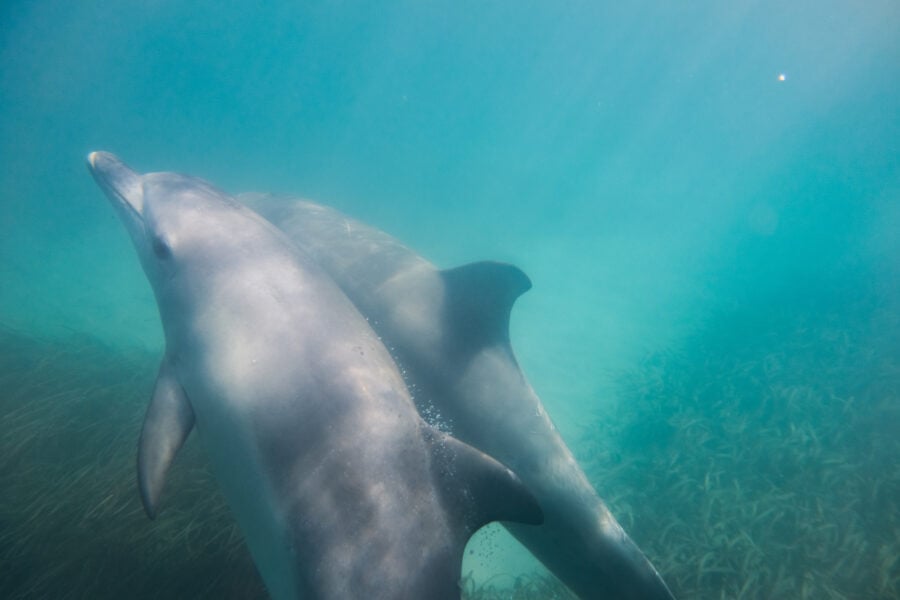
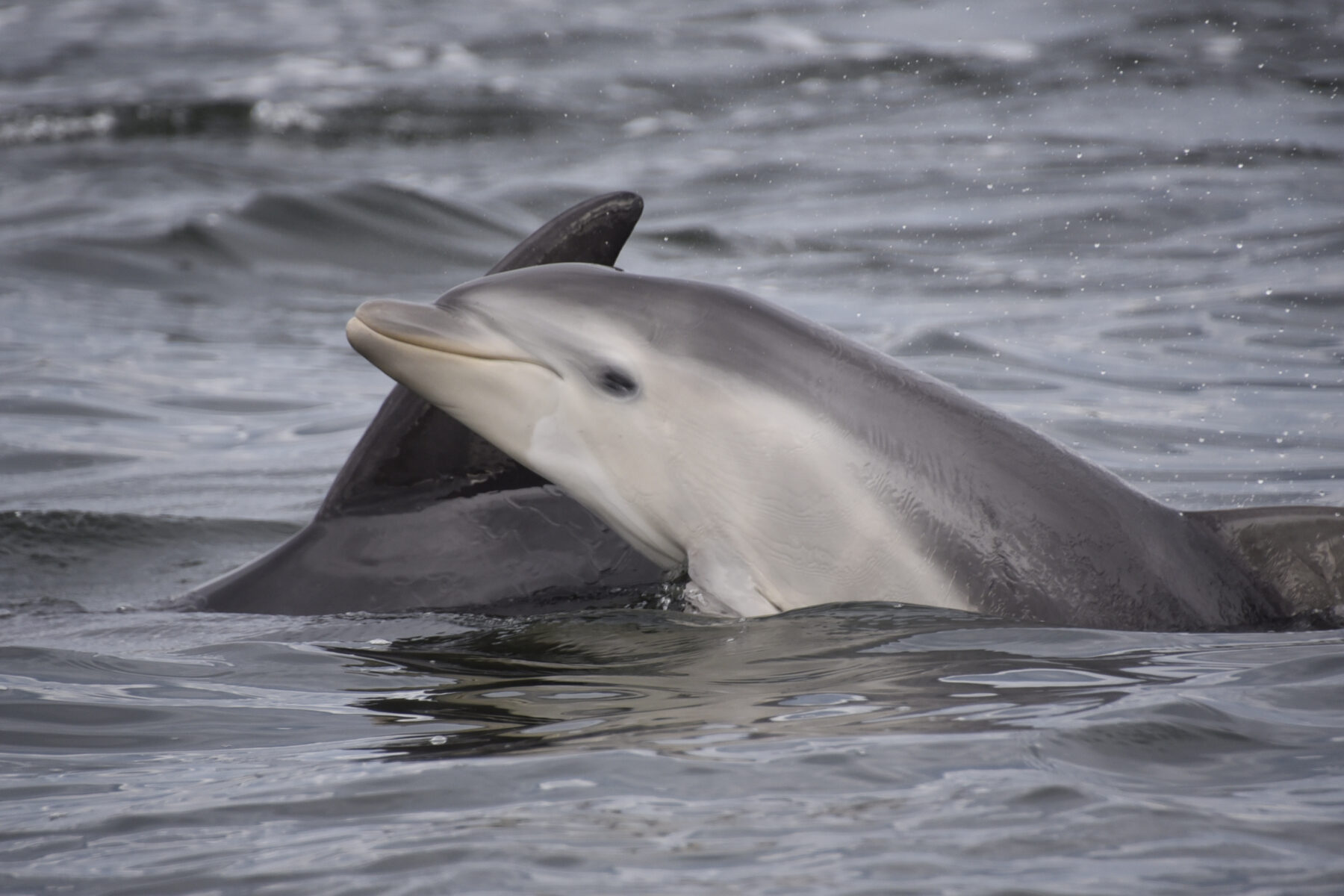
While the species shares physical similarities with both common (Tursiops truncates) and Indo-Pacific (Tursiops aduncus) bottlenose dolphins, the Burrunan is smaller (typically between 2.3–2.7m long), with a slighter build, stubby rostrum (nose), curved dorsal fin, and a distinctive three-tone colour pattern with a pale blaze along the flank setting it apart.
After noting these visual differences early in her academic career, Dr Kate Robb expanded her research while completing her PhD at Monash University. She completed multiple lines of genetic and morphological investigation – and discovered the Burrunan is a species in its own right, characterised by its small, isolated and genetically distinct populations.
“I started off wanting just to answer the simple question of whether these were common or Indo-Pacific bottlenose dolphins, but at every stage of my research they turned out to be something completely different,” says Kate, who is now the founding director and head of research at the Marine Mammal Foundation (MMF).
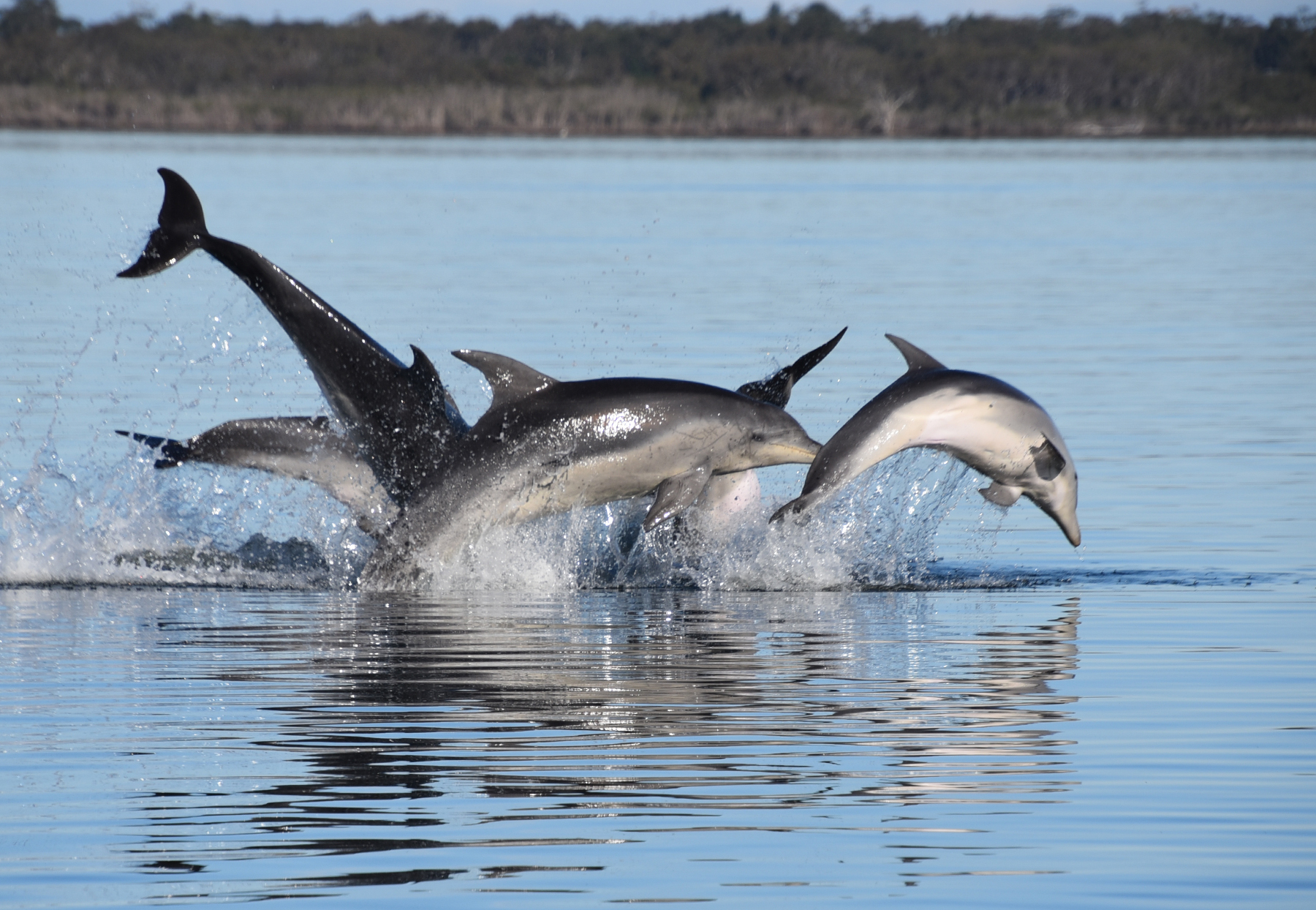
Although only formally described to modern science this century, Burrunan dolphins have long featured in the oral histories of the Kulin Nations, the First Peoples of Port Phillip Bay. So, when the time came to name the species, Kate says community involvement was essential. “I wanted to recognise the dolphins’ true history, not just the one we’ve recorded,” she says.
“We worked with the Victorian Aboriginal Corporation for Languages, and Boonwurrung Elders, and learnt that ‘Burrunan’ – meaning ‘large sea fish of the porpoise kind’ – appears in four Kulin Nation dialects.”
Facing multiple threats
The Burrunan’s unique genetics, small population size and limited range make it particularly vulnerable.
“Right now, we have 120 in Port Phillip Bay, and that’s a relatively small but stable population,” Kate says. “In the Gippsland Lakes we had up to 90 individuals, but we lost more than 60 per cent of that population in a mass mortality event recently, so we’re down to only 30.”
The dolphins are listed as critically endangered in Victoria under the Flora and Fauna Guarantee Act, but aren’t yet recognised by the International Union for Conservation of Nature (IUCN) or covered by the Australian Government’s Environment Protection and Biodiversity Conservation Act.
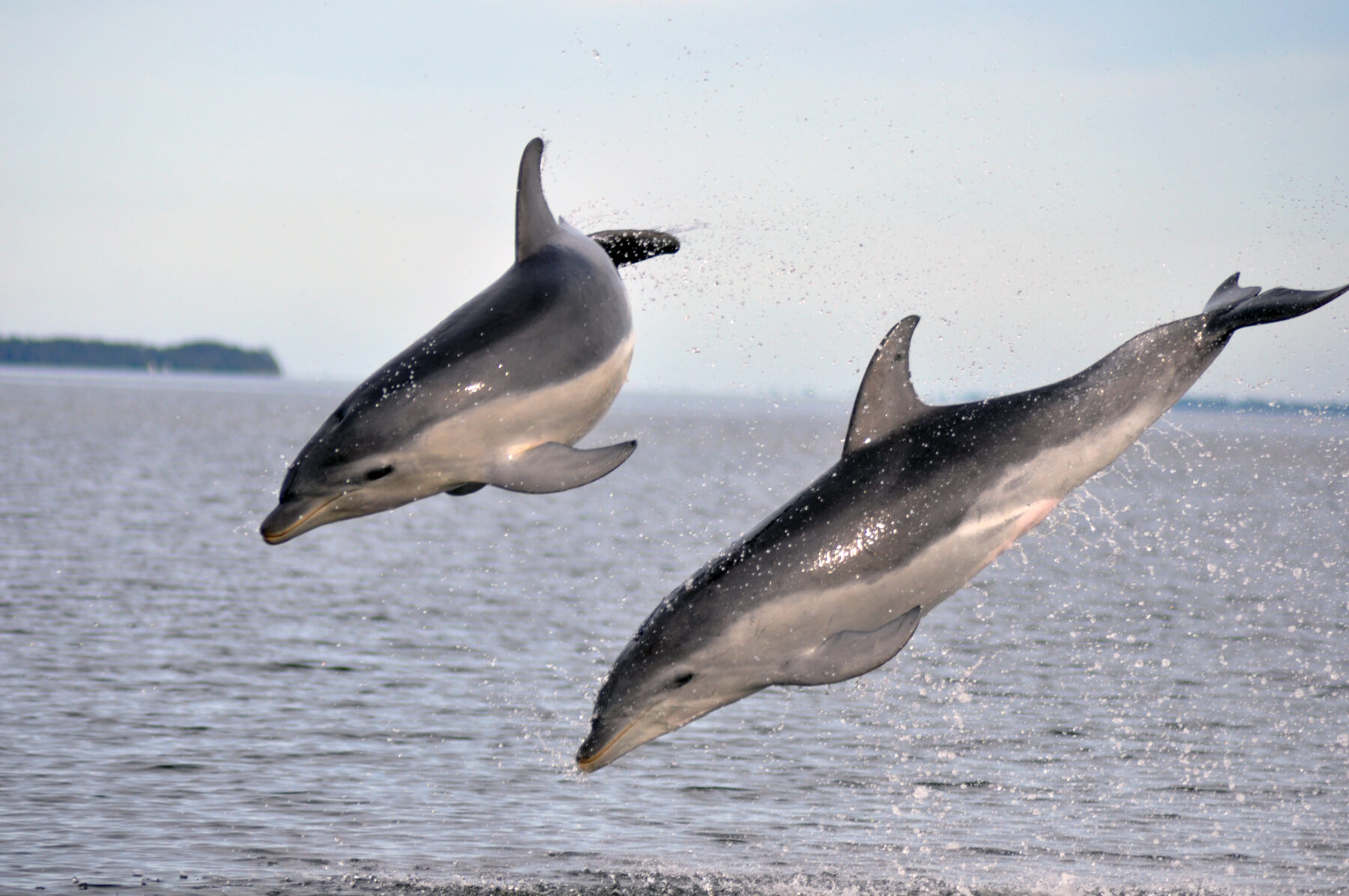
Meanwhile, the Burrunan faces increasing pressure from climate change, habitat disruption, pollution and deadly health threats.
In recent years, a fresh water skin disease has decimated the Gippsland Lakes population. It occurs when dolphins adapted to salty environments are suddenly exposed to low-salinity water – typically after heavy rain or storms – which disrupts their skin barrier, causing lesions, electrolyte imbalance, and ultimately organ failure.
“After the bushfires and floods of 2007, we had a mortality event, and then another following the 2019 bushfires and floods,” Kate says. “Then we had three years of above-average rainfall with La Niña, so in 2020 we had another, much more aggressive mortality event. It took 60 per cent of the population, including most of our calves, juveniles and breeding mothers. It’s been very, very challenging.”
While Victoria’s Burrunan populations are outside the path of the toxic algal bloom currently affecting South Australia’s coastline, such events remain a threat.
“We’ve had both toxic and non-toxic algal blooms in the Gippsland Lakes, so we’re constantly monitoring water quality. But if a toxic bloom were to reach this population, it would be – as we’ve seen in South Australia – devastating to all species,” Kate says.
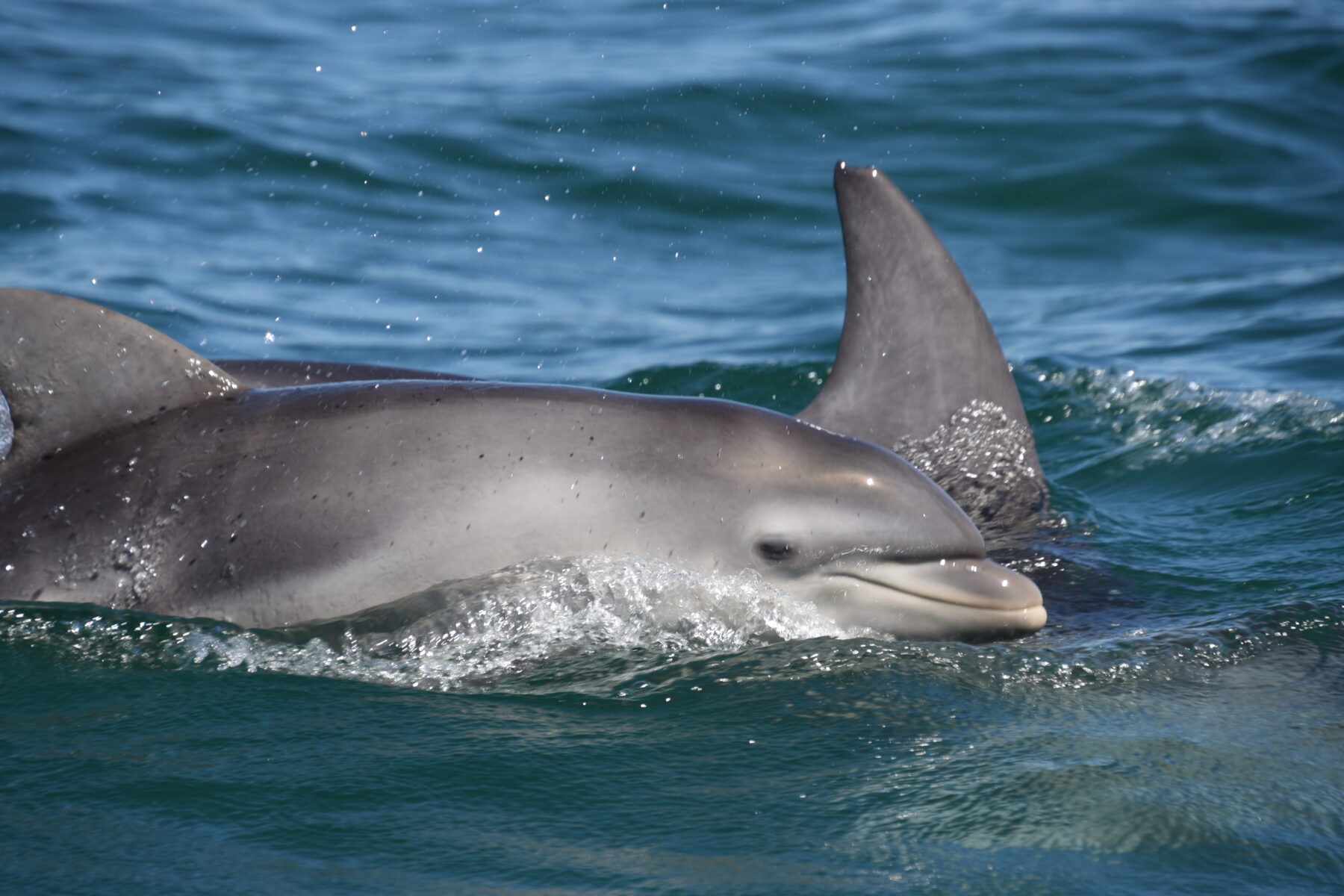
Per- and polyfluoroalkyl substances (PFAS), also known as ‘forever chemicals’, are another major concern. Recent research led by Dr Chantel Foord and co-authored by Kate found that Burrunan dolphins have the highest recorded PFAS concentrations of any dolphin species worldwide. One juvenile from Port Phillip Bay had liver levels nearly 30 per cent higher than any previously reported.
“PFAS are found in anything that’s non-stick or waterproof – so everything from what we cook with to our mascara – but they’re also high in firefighting foams and wastewater treatment plants. But this was an unexpected finding, especially since we don’t manufacture PFAS in Australia. Every bit of it has been brought into the country and released into the environment,” Kate says.
“We also found that the Burrunans have some of the highest mercury concentrations globally. All of these pollutants that we’re putting into the environment are impacting an already under-threat species.”
A lack of genetic diversity also threatens the dolphins’ long-term survival. Natural hybridisation with other bottlenose species isn’t possible, and the two key populations are small and isolated – not only geographically, but also by diet, behaviour and social structure.
“The Port Phillip Bay and Gippsland Lakes Burrunan dolphins are the same species, but they have very different cultures, foraging strategies and diets,” Kate says. “If we were to pick up a few Port Phillip dolphins and put them in Gippsland, they just wouldn’t survive.”
Collaborative protection strategies
As the future of the remaining 150 dolphins grows increasingly uncertain, the MMF’s Project Burrunan unites researchers, First Nations communities and citizen scientists to better understand the species – and how to protect it.
“It’s a combination of real, applied research, citizen science, First Nations knowledge, and community outreach,” Kate says.
“Our current studies are looking into the impacts of toxicants on the dolphins, as well as their immune responses, distribution, population modelling and acoustic repertoire.”
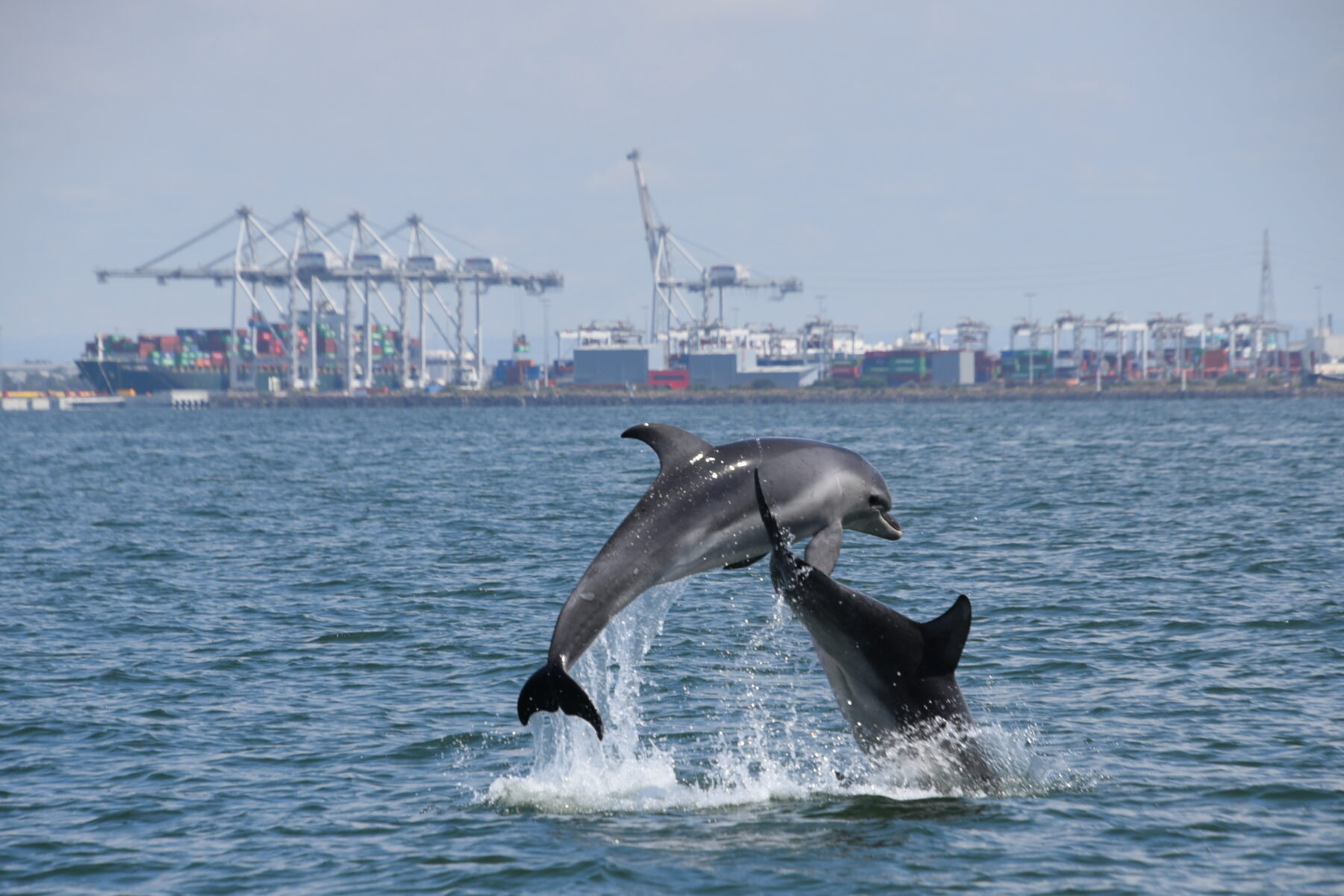
Understanding how Burrunan dolphins communicate is key to protecting them – especially as visual monitoring is often limited. In the first detailed analysis of their vocalisations, researchers examined some 12,000 recordings across Victoria’s populations, finding that the Gippsland dolphins have a more complex vocal range than their Port Phillip Bay counterparts.
“Both populations use the same core set of whistles and burst-pulse sounds, but they produce them in different quantities and with subtle variations, possibly due to environmental or social factors,” says MMF research associate and Curtin University PhD candidate Amber Crittenden, lead author of research recently published in Royal Society Open Science.
“Despite being the same species, these groups have their own regional dialects based on the soundscape pressures in their environments, so it’s like they’ve learnt to talk over the background noise.
“Port Phillip Bay is a highly impacted soundscape – it’s the busiest shipping port in the Southern Hemisphere. By comparison, Gippsland is shallower, quieter, and these dolphins have a lot more interaction with other marine mammal species, which has helped diversify their vocalisations.”
“Once we link sounds to behaviours,” Amber adds, “We can identify nursery areas, feeding grounds, or key habitats, and manage them adaptively.”
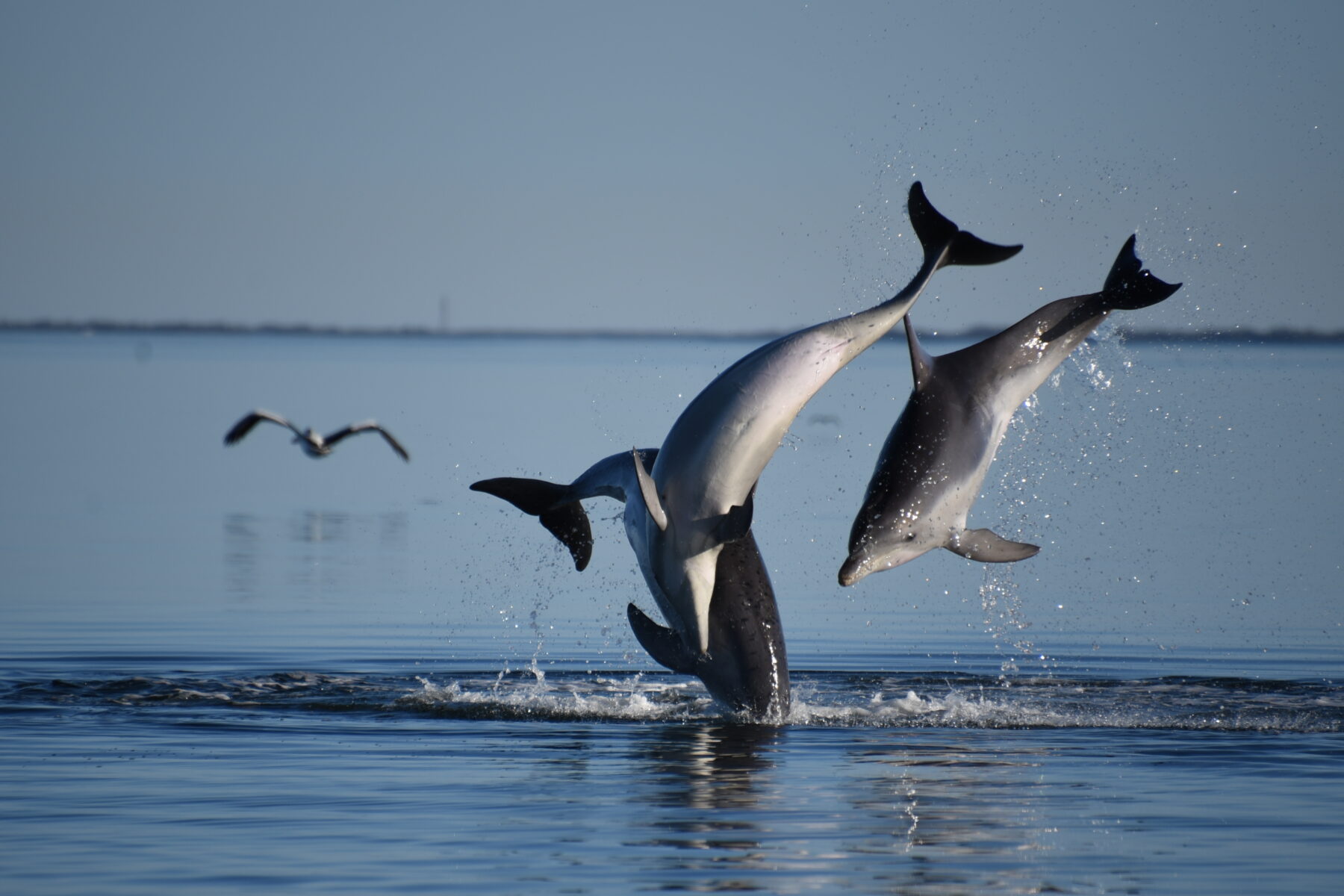
In a high-traffic habitat, such insights could be lifesaving. Similarly, understanding how Burrunan dolphins are distributed will help inform conservation approaches.
“My project is trying to answer questions about exactly where they are, when, and why they’re in certain places for things like feeding, breeding, and socialising,” explains MMF research associate and RMIT University PhD candidate Jemima Beddoe.
“This will show us what areas are important to their survival, and also help us build conservation strategies suited to these specific populations – rather than just make generalised assessments and hope for the best.”
Jemima also believes First Nations knowledge is helping propel Burrunan research forward. “I’m lucky to be collaborating with both the Bunurong [Bunurong Land Council Aboriginal Corporation] and the Gunaikurnai Peoples, who are based along the eastern Victorian coastline,” she says.
“These communities have had a deep connection to the environment for thousands of years, and when I bring their knowledge into my research, it creates a much more holistic picture of what’s happening.”
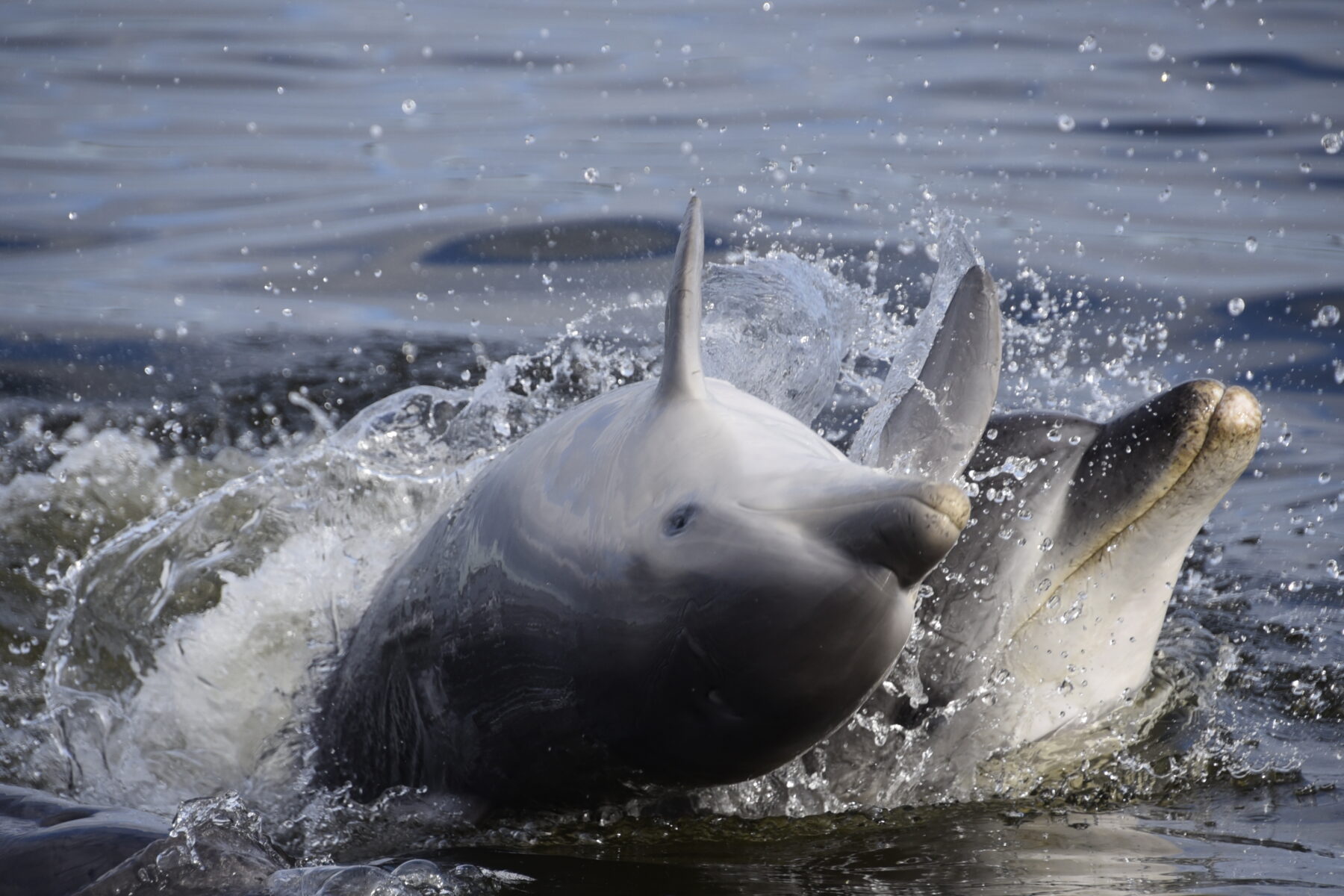
Citizen science is also integral to ongoing Burrunan research. The MMF engages the community to report sightings, log boat traffic, and monitor dolphin movements and behaviours.
“The citizen science component is quite amazing,” Jemima says.
“People aren’t just submitting their dolphin sightings – they’re connecting with the research. It raises awareness, brings the community in, and helps us build vital databases quickly and affordably, feeding directly into our conservation and management strategies.”
Getting behind an Aussie battler
While research and efforts to protect the Burrunan are well underway, their future depends on community efforts, targeted science and broader recognition of their significance.
“They’re our dolphins and we need to be protecting them, because they’re on the brink of localised extinction,” Kate says.
“And while it’s amazing to have been able to discover, describe and name them, I don’t want to see them go extinct in my lifetime, let alone my daughters’ lifetime or their kids’ lifetime. Because the Burrunan is only found in Australia. We need to champion how special our environment is, own this iconic species, and protect it.”