History & Culture
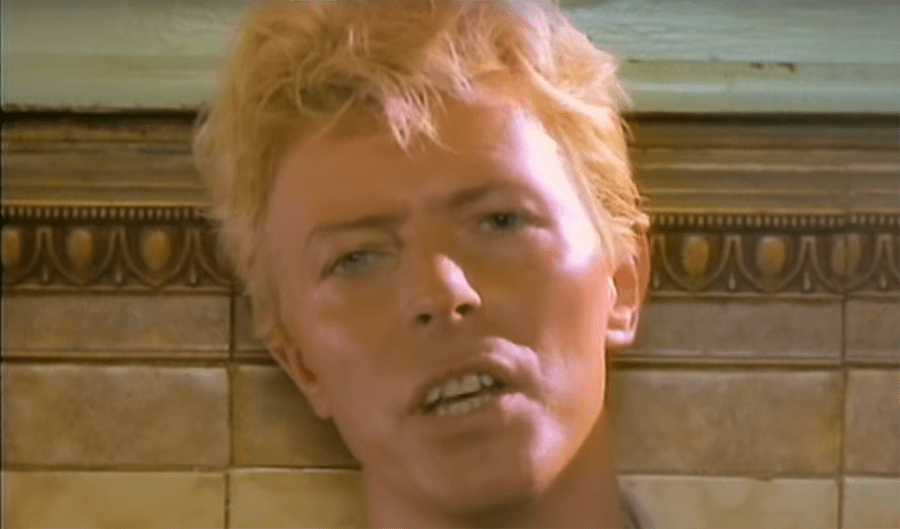
Most memorable music videos filmed in Australia
Australia’s cities and landscapes have provided the backdrop for many iconic music videos. Here’s our pick of the best.
Australia’s cities and landscapes have provided the backdrop for many iconic music videos. Here’s our pick of the best.

Why Australians use different words to describe the same things.
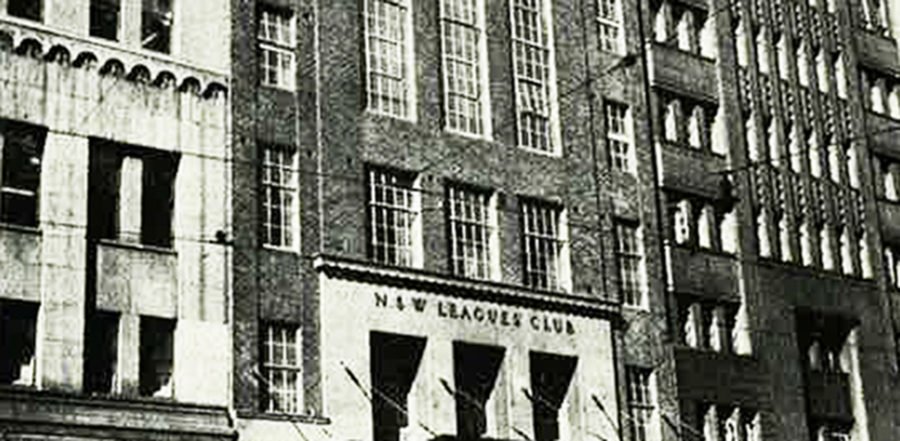
In 2015, Australia’s first leagues’ club closed the doors on its iconic Sydney premises after 101 years as the ‘heart and soul’ of Australian rugby league.
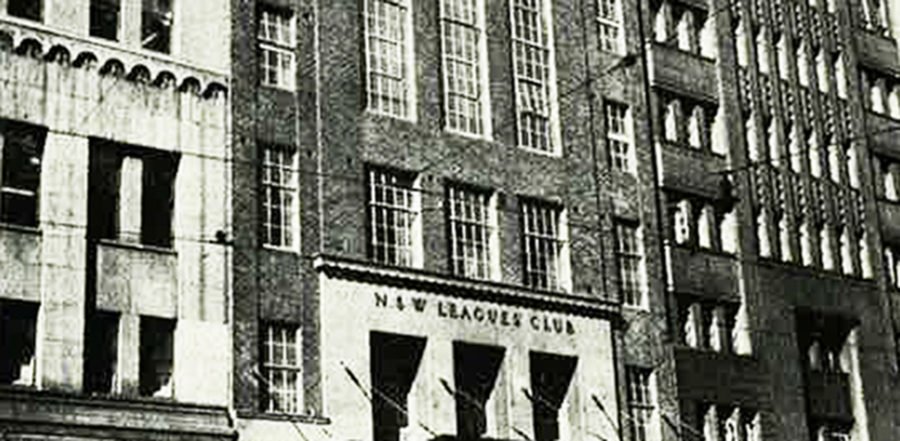
The NSW Leagues’ Club building has closed its doors after 101 years, for most of which it stood as ‘the heart and soul’ of Australian rugby league.
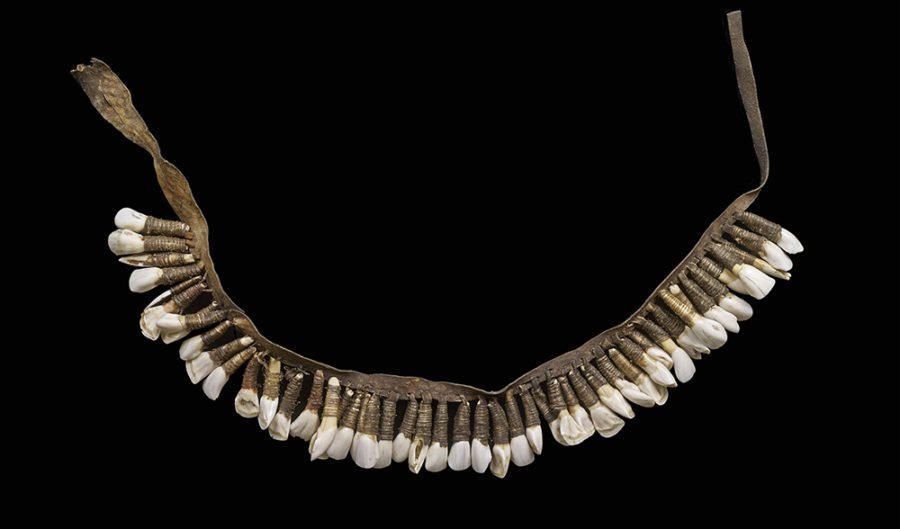
The National Museum of Australia’s Encounters exhibition features 151 Indigenous items taken or gifted during the first encounters, alongside contemporary objects created by people from the communities involved with the project.
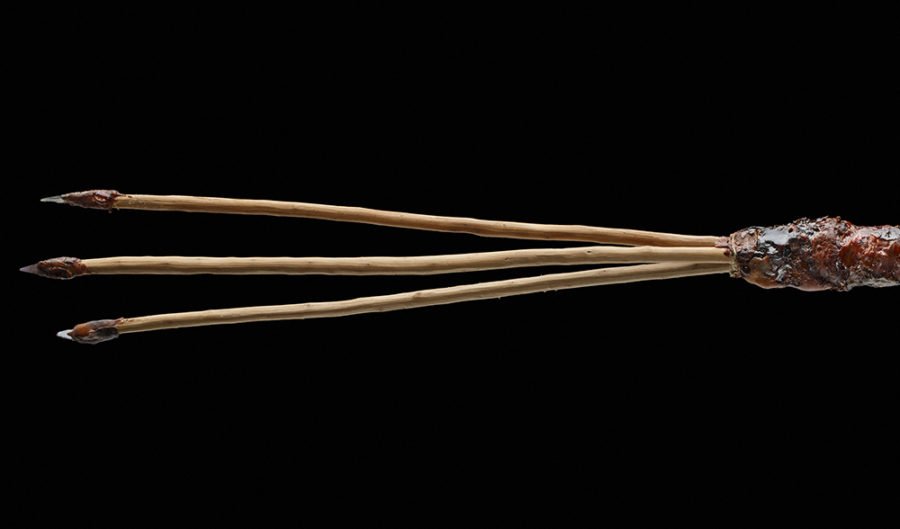
More than 100 sacred Aboriginal items have been temporarily returned to Australia, many for the first time in centuries.
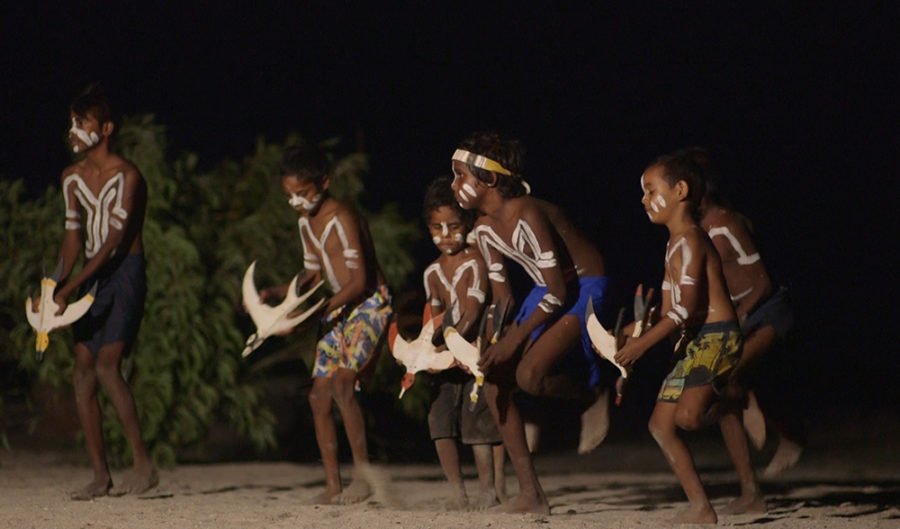
The stolen remains of three Bardi Jawi people have been returned to their traditional lands in an emotional ceremony in Western Australia.
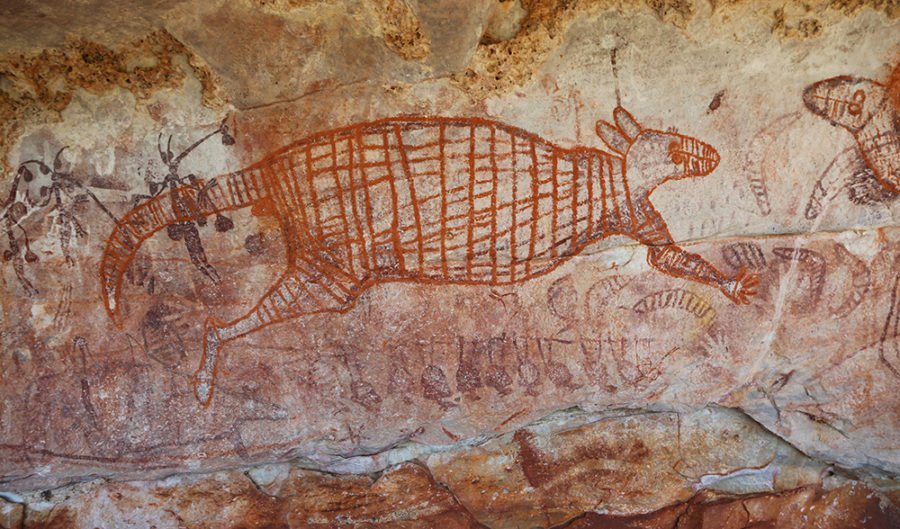
The biggest rock art study in Australian history may shed light on when Indigenous Australians first arrived.
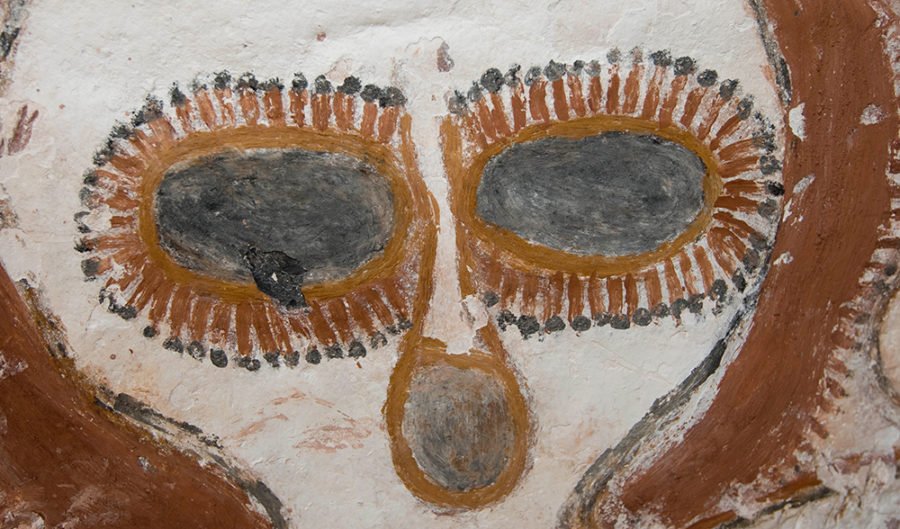
The Kimberley region is home to some of the oldest and most prolific collections of rock art in the world. Scientists are embarking on a detailed study attempting to date the art, and experts hope this will shed light on how long ago Aboriginal people first landed on this country.

AG photographer and musician Barry Skipsey composed and performed a song to help celebrate the magazine’s 30 birthday in 2016.