Reef revival
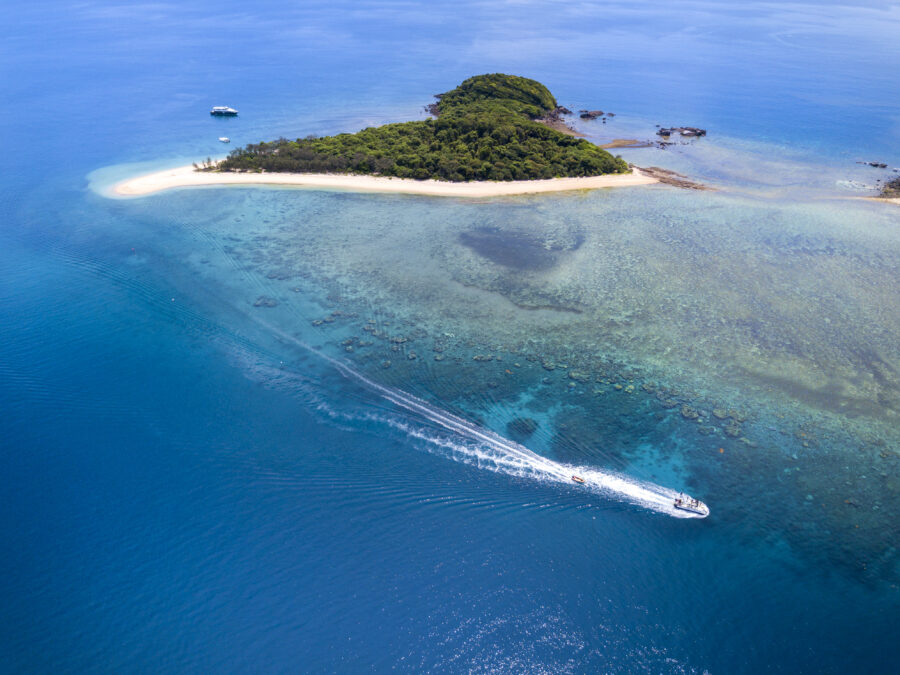
The Reef Sanctuary Pontoon on Lady Musgrave Island lagoon is revolutionising marine education.
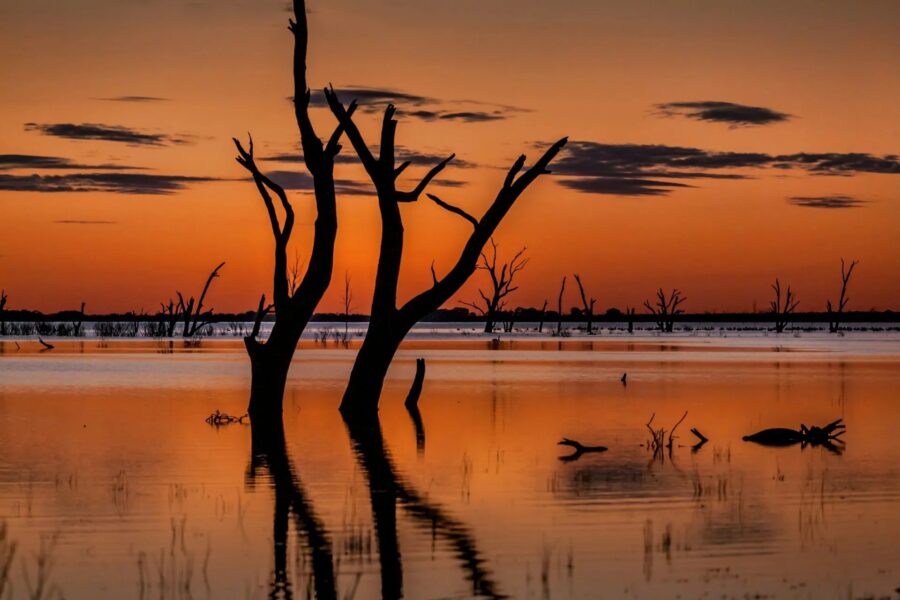
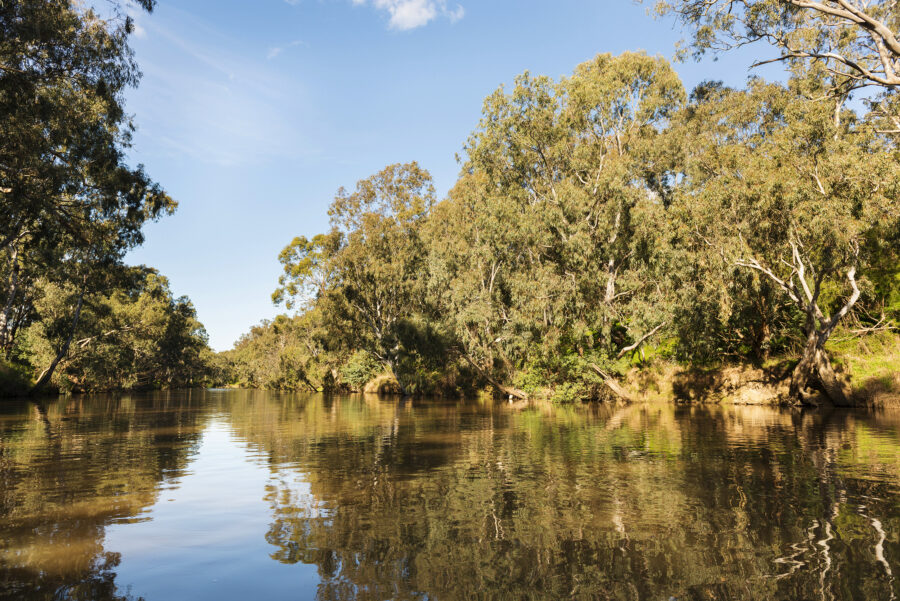
Some A$13 billion in taxpayer dollars and 30 years of policy reform have failed to arrest the devastating decline in the health of Australia’s most important river system, researchers argue.
“One of the things our guests enjoy most about the rockpools is meeting the resident clownfish in water at a depth of only a few inches.”
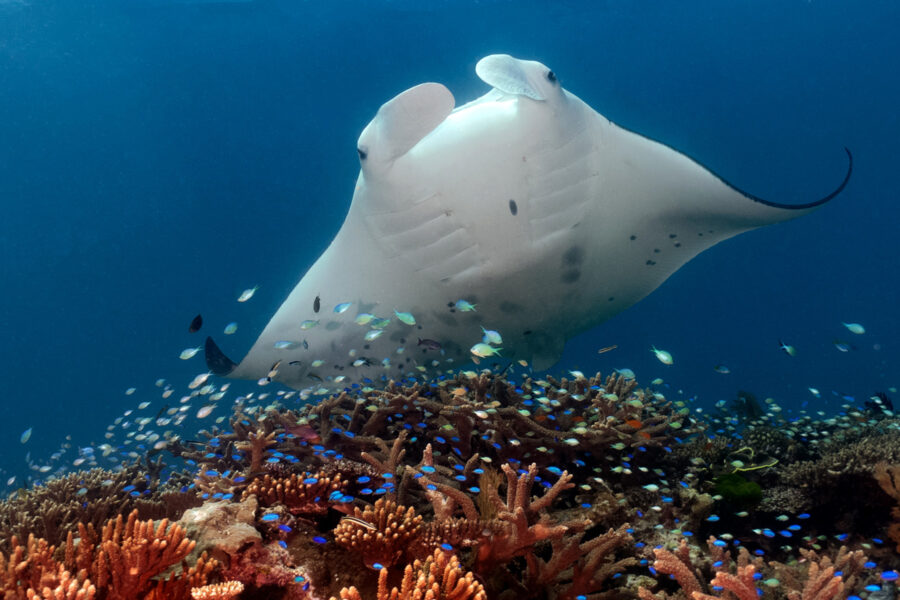
Ask anyone who has encountered a manta ray in the wild to recount the experience, and you’ll witness their eyes illuminate, their faces animate, and perhaps their arms will instinctively mimic the graceful, soaring movements of these majestic creatures.
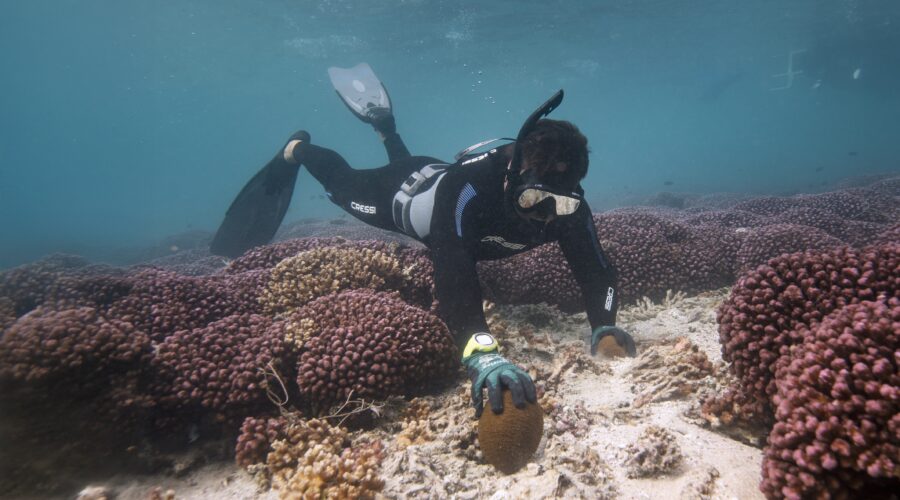
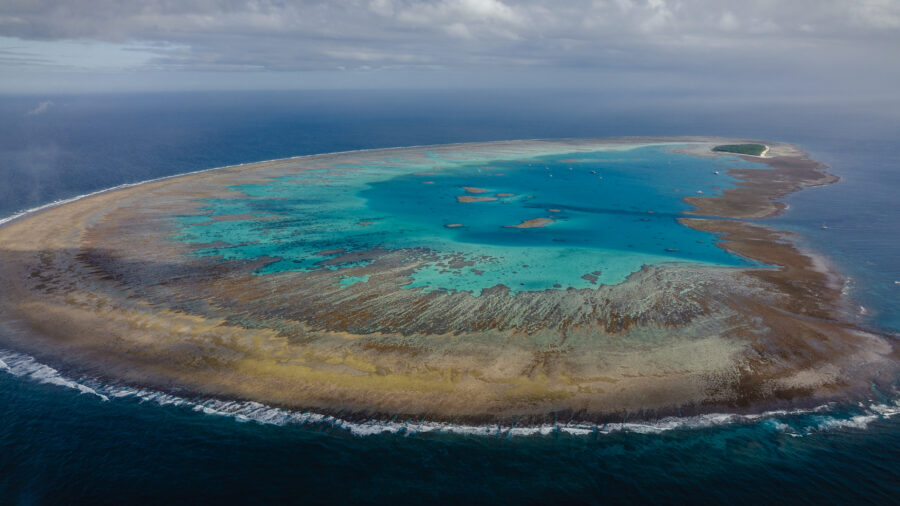
The Great Barrier Reef is vast and spectacular. But repeated mass coral bleachings, driven by high ocean temperatures, are threatening the survival of coral colonies which are the backbone of the reef.
High coral cover amid intense heatwaves and bleaching? Here’s how both can be true on the Great Barrier Reef.
Contemporary marine park management is infused with traditional knowledge to tackle new threats on the Great Barrier Reef.
Does last summer’s mass coral bleaching event sound a death knell for Australia’s beloved Great Barrier Reef? “Not on my watch!” is the message coming from the army of heartbroken, but resolute, marine scientists who’ve responded to the crisis by doubling down on their research.
1975: The Great Barrier Reef Marine Park is created.
These bizarre, shy fish that walk instead of swim face a precarious future in the waters of southern Australia.