Events
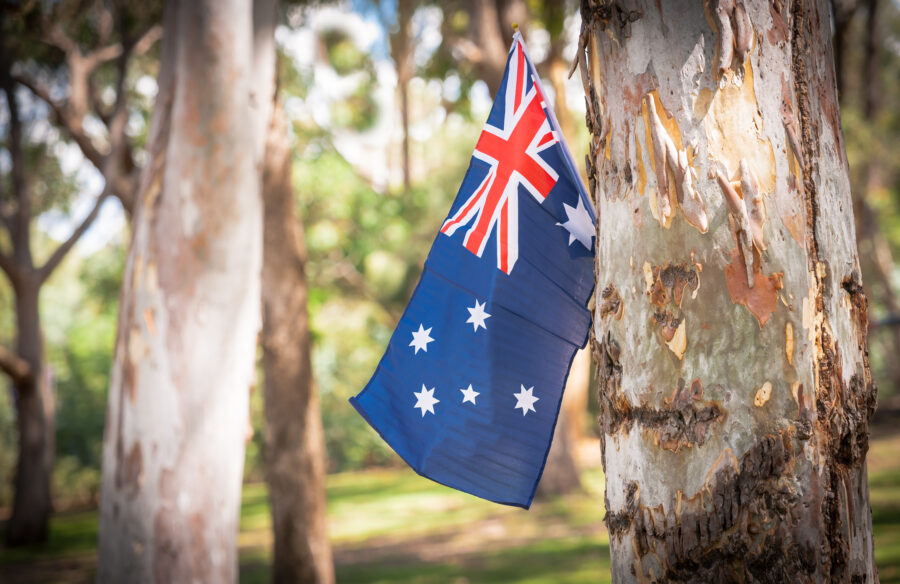
Defining Moments in Australian History: The nation finally has its own flag
1954: The Flags Act 1953 becomes law, defining the official Australian flag.
1954: The Flags Act 1953 becomes law, defining the official Australian flag.
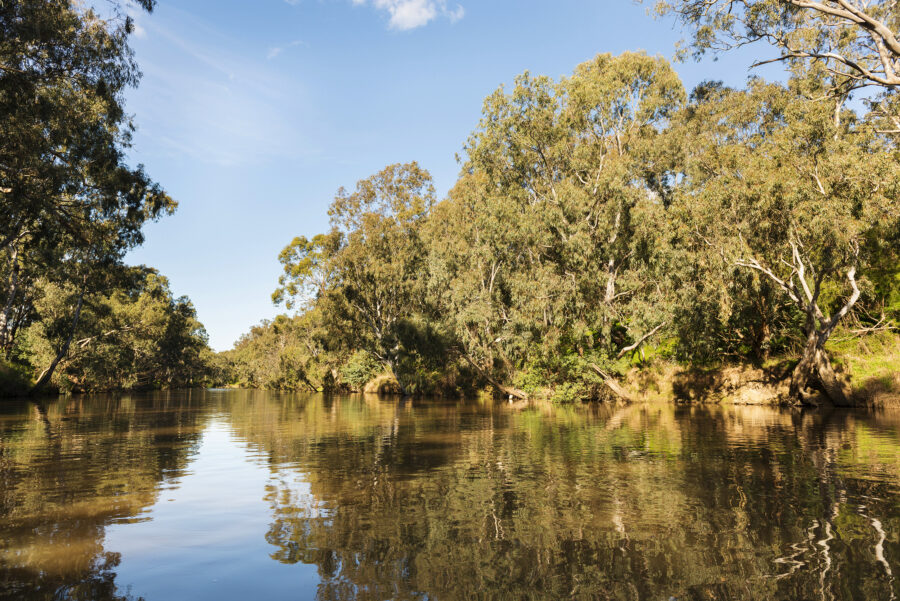
Rivers all around the world are being given their own legal rights. But what does this mean? And how does it work?
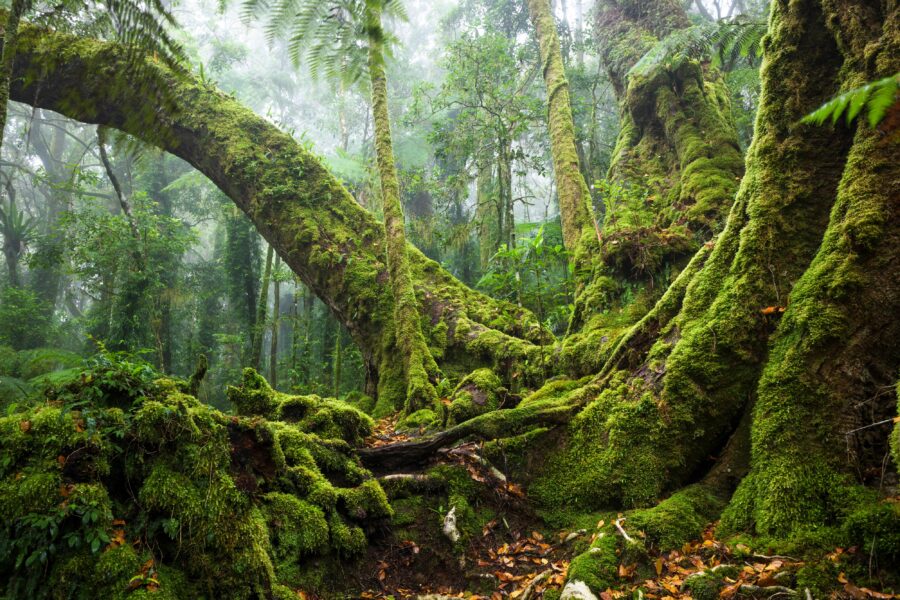
The Gondwana supercontinent broke up millions of years ago. Now, researchers are piecing it back together again.
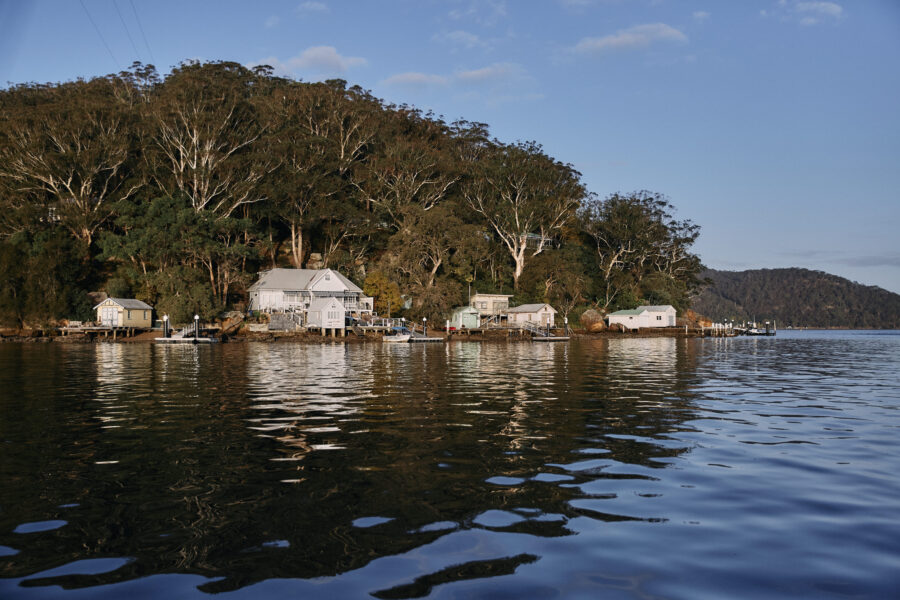
In an era of heightened social isolation, where many of us lead lonely lives, Dangar Island offers the chance to be part of a supportive, connected community.
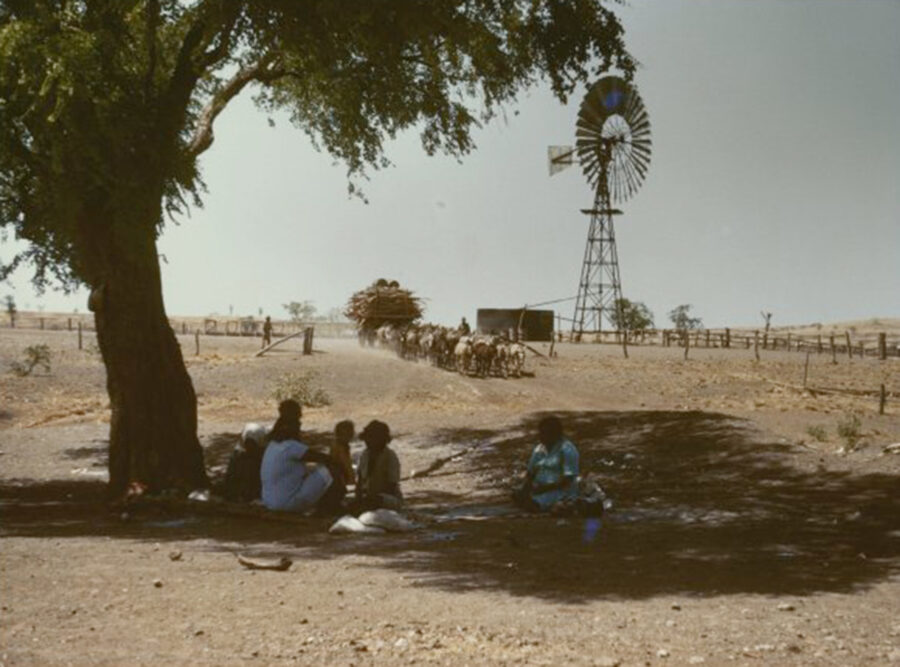
23 August 1966: 200 Gurindji stockmen, domestic workers and their families initiated strike action at Wave Hill Station in the Northern Territory.
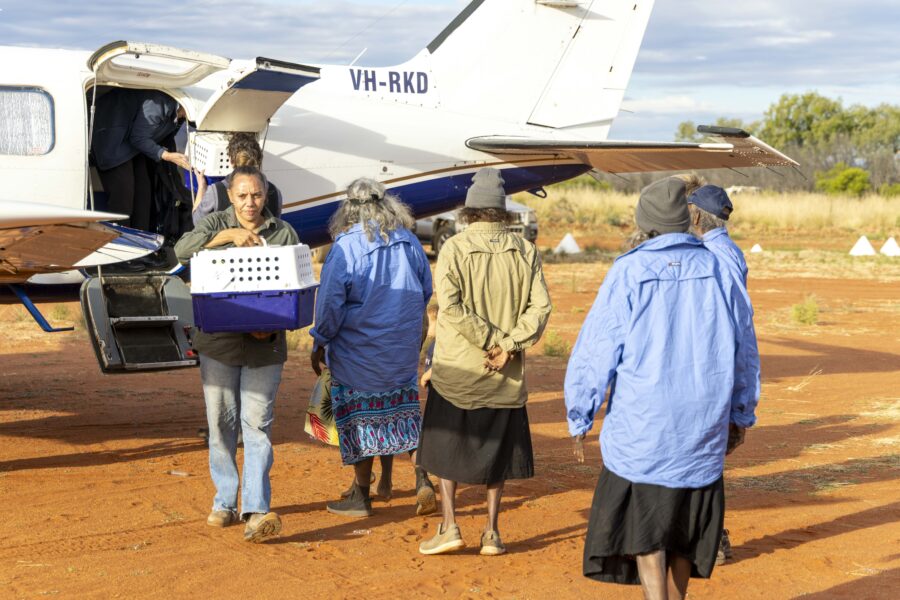
Conservationists and Traditional Owners have celebrated the return of the common brushtail possum to Central Australia, where the species is locally extinct.
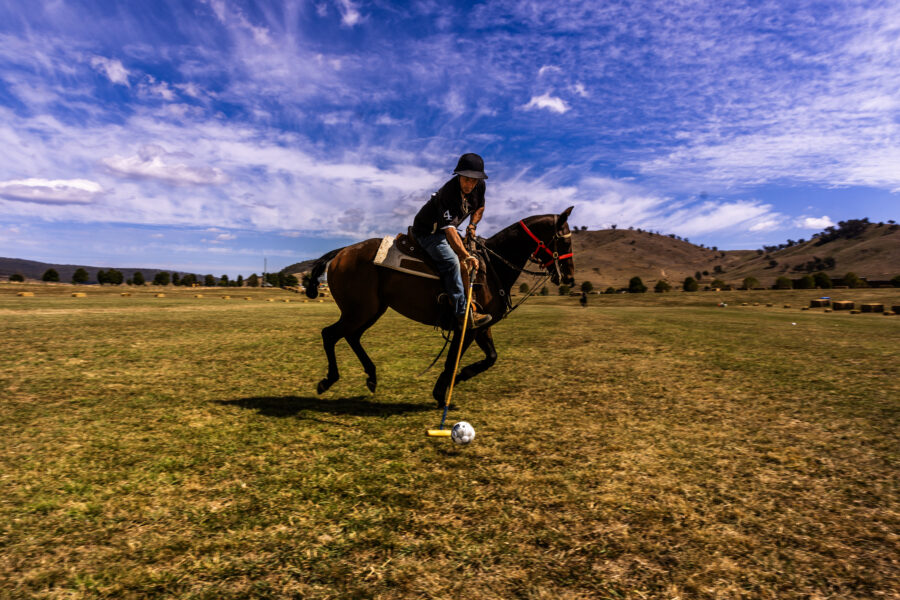
It’s an event reminiscent of a Banjo Paterson poem. For 35 years, in the High Country 200km east of Melbourne, city polo players have gathered annually at Cobungra, Victoria’s largest cattle station, to vie with a rural team for the Dinner Plain Polo Cup.
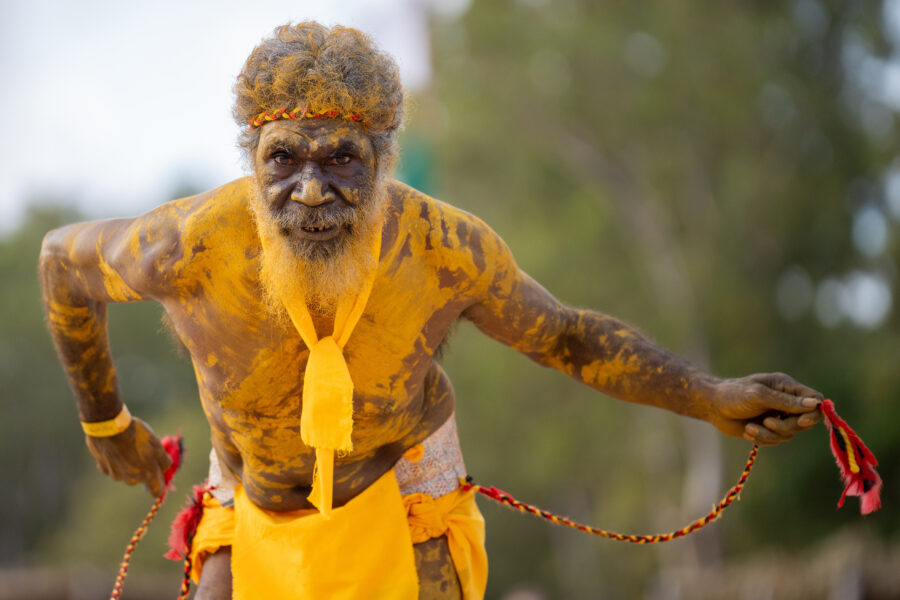
From 2 to 5 August, Garma Festival 2024 was hosted at the Gulkula ceremonial site in the Northern Territory in remote northeast Arnhem Land to celebrate and recognise Yolŋu life and culture.

Sure, you can’t avoid those cute little marsupials that made Rottnest Island world-famous, but there’s so much more to life on this ocean-ringed jewel off the Western Australian coast.
What started as a mock grant proposal by three students at the University of Melbourne has become an opportunity to preserve an ancient culture under threat.