Power age: Amflow PL Carbon Pro long-term test
Not long ago, e-MTBs were heavy, noisy, ugly contraptions — like someone had bolted a car battery to a BMX and let their dodgy “sparky” apprentice loose on it. They rode like wheelbarrows, cost a fortune, and sounded like a microwave full of spanners.
Fast-forward a few years, and the transformation is nuts, well, maybe more a ‘lack of nuts’. Today’s bikes are sleek, integrated, and in some cases almost indistinguishable from their acoustic cousins. So, when the Amflow PL Carbon Pro turned up earlier this year, I couldn’t get my shoes on quick enough.
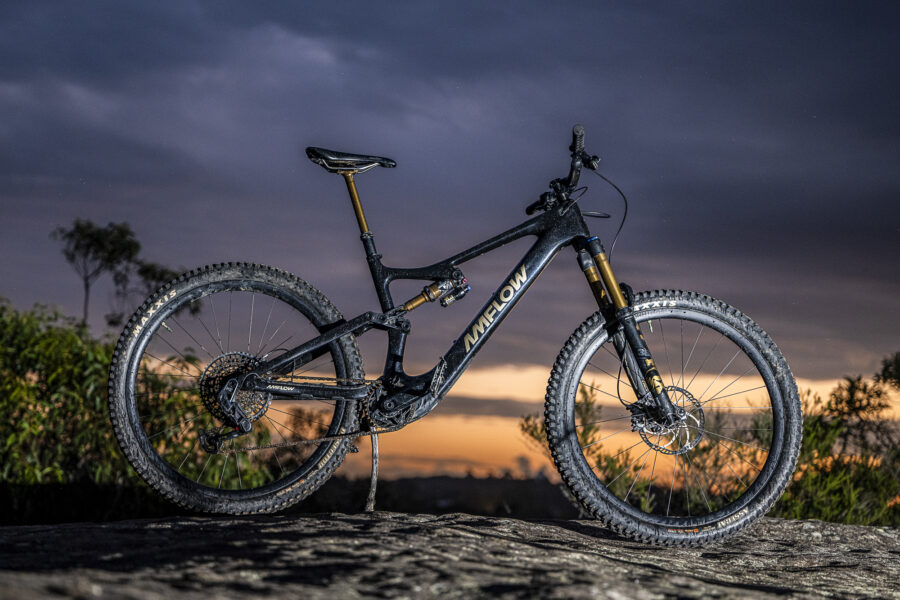
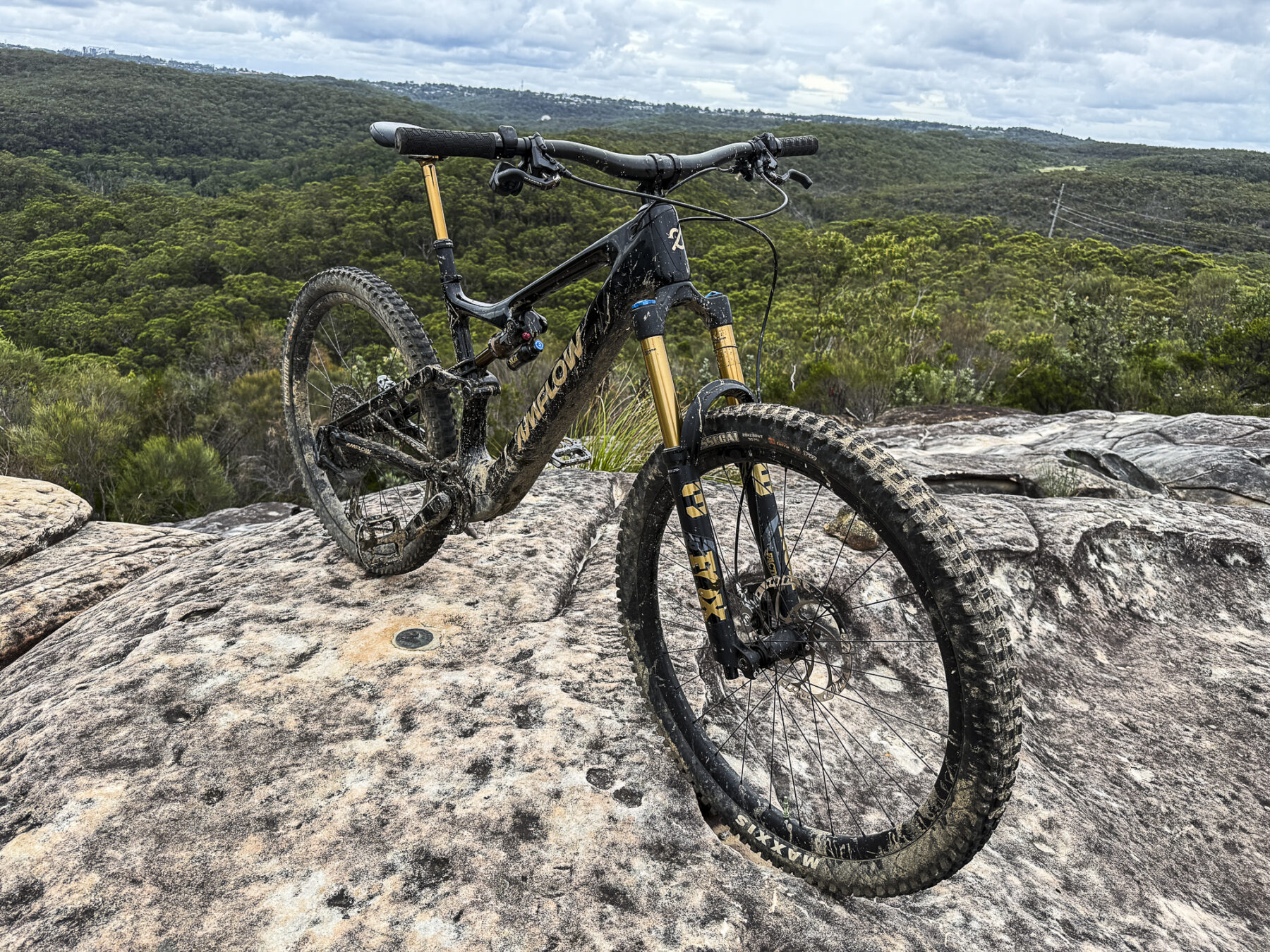
First impressions? Slick. As in, “if Apple designed a trail bike” slick. No ugly bolts or bulging batteries, just clean lines and showroom polish. But beneath that gloss is a motor with V8-level grunt and F1 liveliness.

I admit, I was sceptical. A brand-new frame paired with a first-gen motor? Even my mechanic mate Jordo warned me: “The first pancake is usually a dud.” Then he rode it, I rode it, my mates rode it, and it literally blew the knobs clean off the tyres. Half a year later, it still does.
Add in a firmware update that sharpened delivery even more, and the bike actually feels fresher now than it did out of the box—and in the process, it has rewritten the rulebook for the whole e-MTB game.
Design
When Amflow and Avinox entered the e-MTB game in 2024, they didn’t ease in — they went full-send and rattled the whole industry. At the heart is the Avinox motor: 2.52kg, 120Nm torque, 1000W peak, delivering an outrageous 397W/kg. Even a year later, it’s still nearly 30 per cent ahead of much of the field. The ripple effect is clear: Bosch, Specialized, Brose, and Yamaha all scrambled to unveil beefier systems at Eurobike 2025.
The bike’s weight borders SL (Super Light) territory. The Pro build with a 600Wh battery is just 19.2kg, and the 800Wh version tips only 20.3kg. Add pedals and inserts, and you’re still sub-21. For context, that’s markedly lighter than most full-gas e-MTBs and nearly as light as some SL rivals running a fraction of the power.
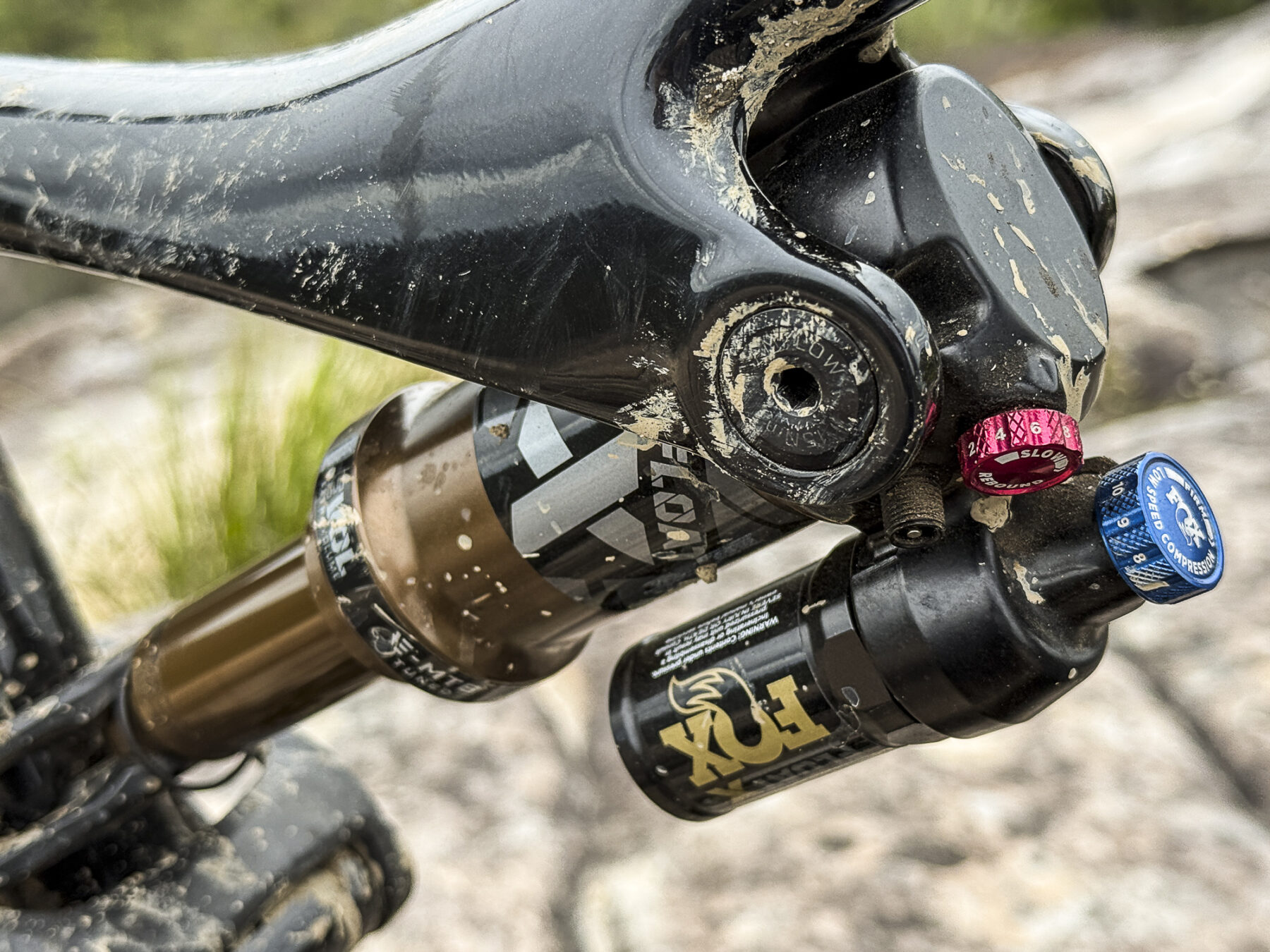

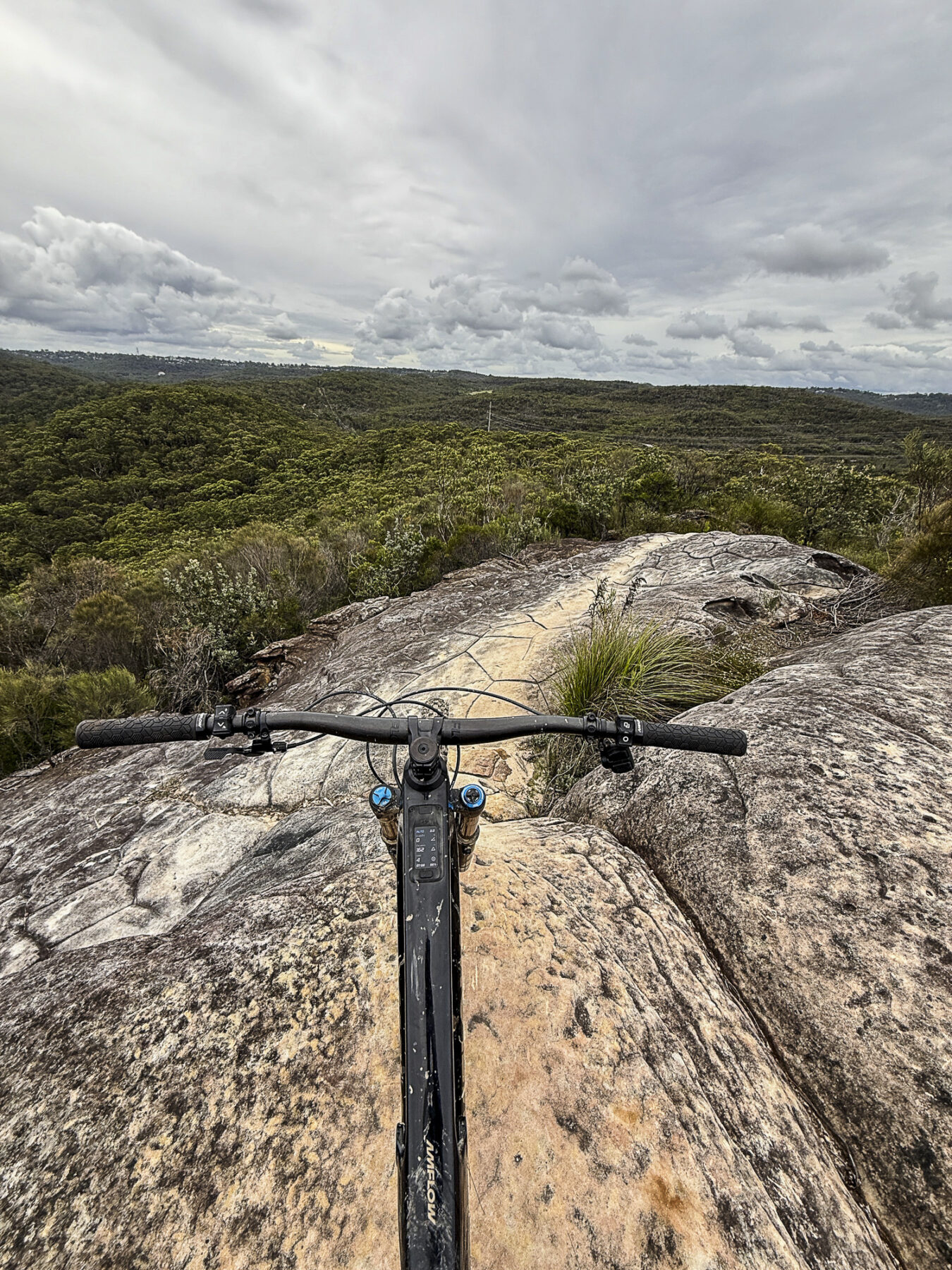
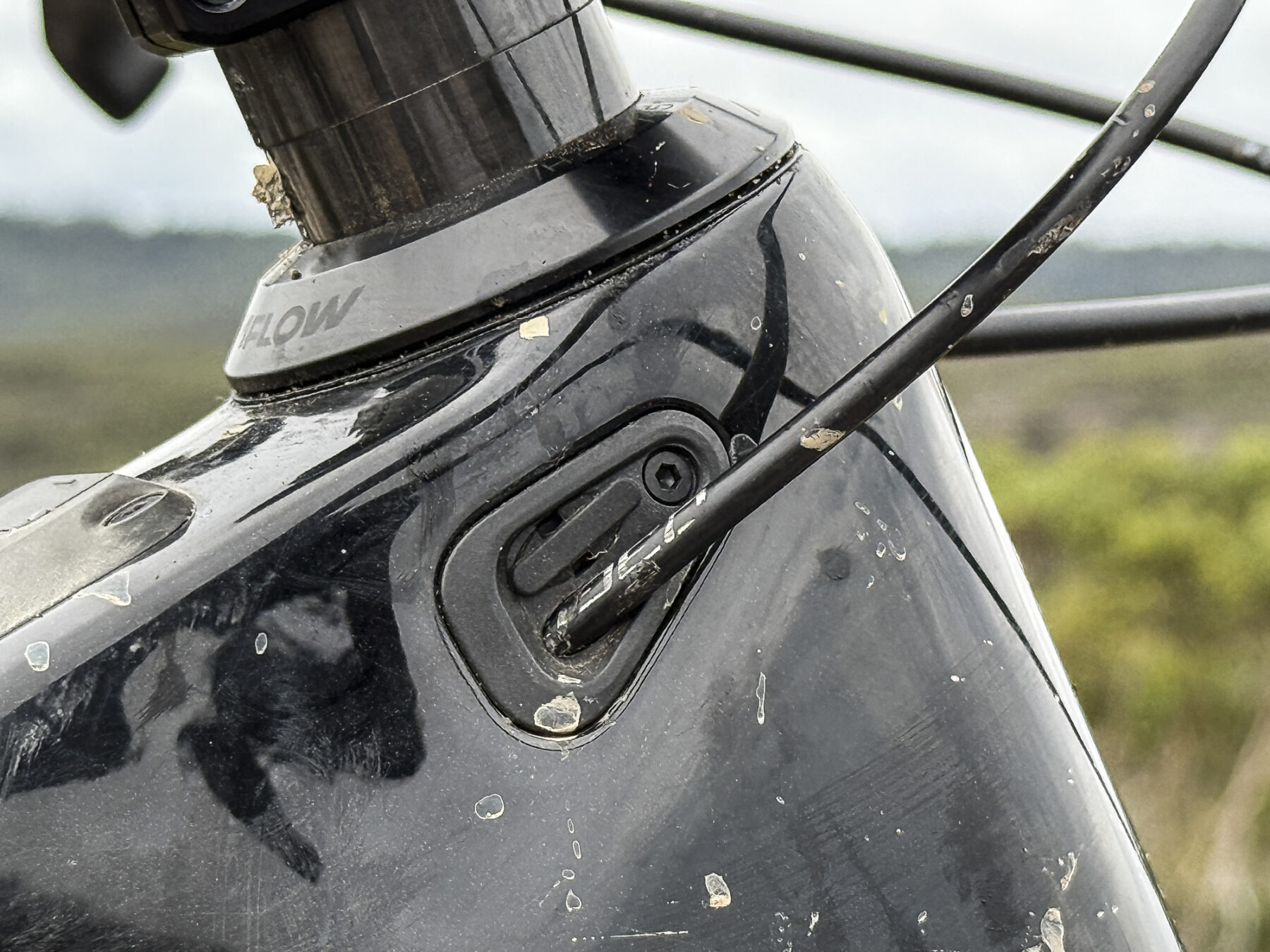
The carbon frame runs a Horst link suspension layout with 150mm rear travel (Fox Float X Factory) and 160mm up front (Fox 36 Factory GRIP X2). It rolls on Amflow’s own carbon 29ers, with a flip chip if you want to go mullet (hot tip: you should). The detailing is top-notch: internal cabling, hidden mech wiring, a magnetic charge cover, and a flush touchscreen display. Surprisingly, Amflow skipped headset cable routing. With a bike this futuristic, I half-expected it—it’s the one detail that feels less space-age, though midway through your first brake-bleed, your mechanic (or you) will quietly celebrate and most likely buy you beers for it later.
The fully integrated 600/800Wh battery options keep the silhouette razor-sharp, with no keys or bolt-on panels, but being non-removable means less convenient for transport or apartment dwellers. Charging is rapid, though: 75 per cent in 90 minutes, 100 per cent in under 2.5 hours via Avinox’s 508W charger.
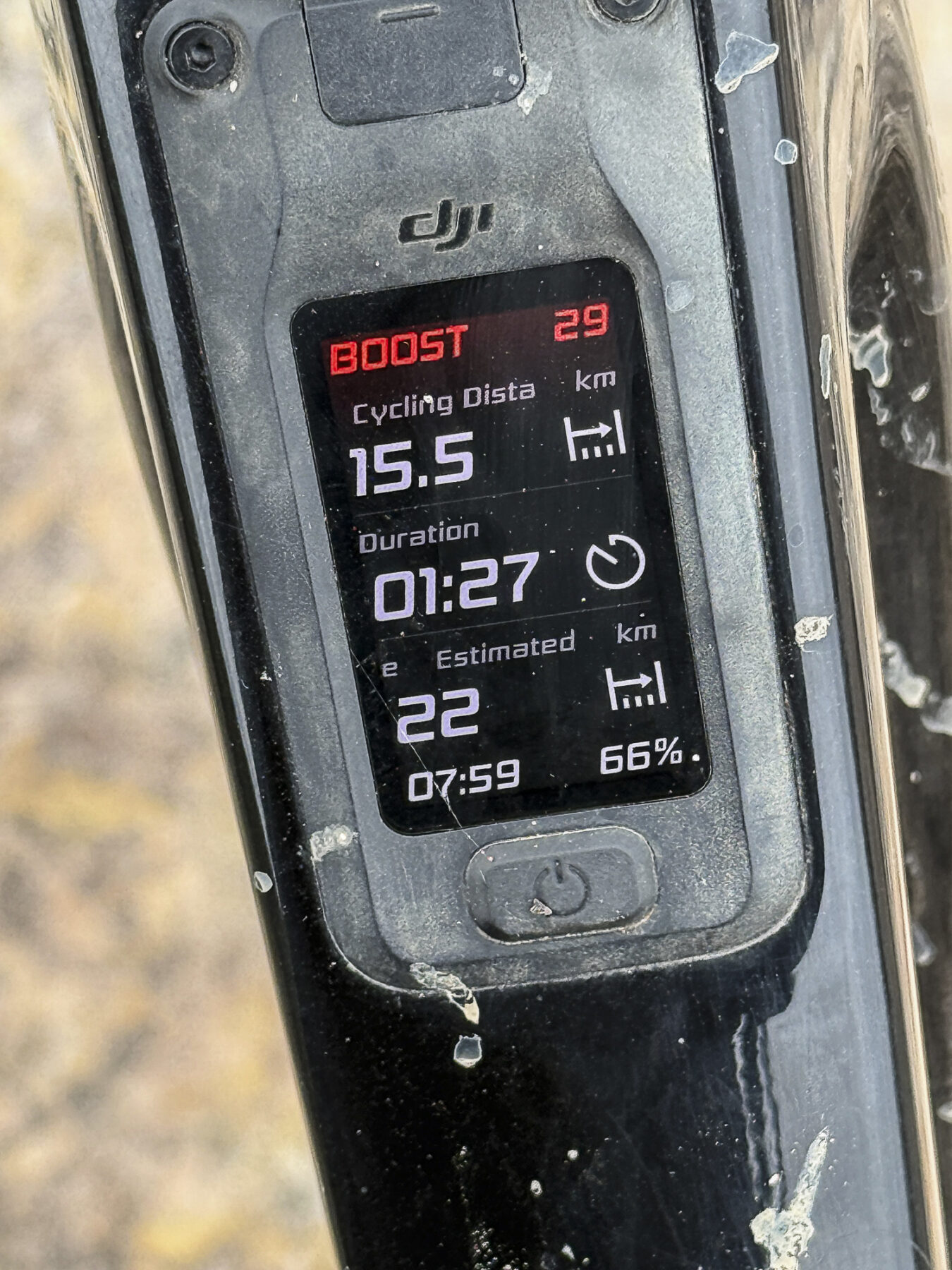
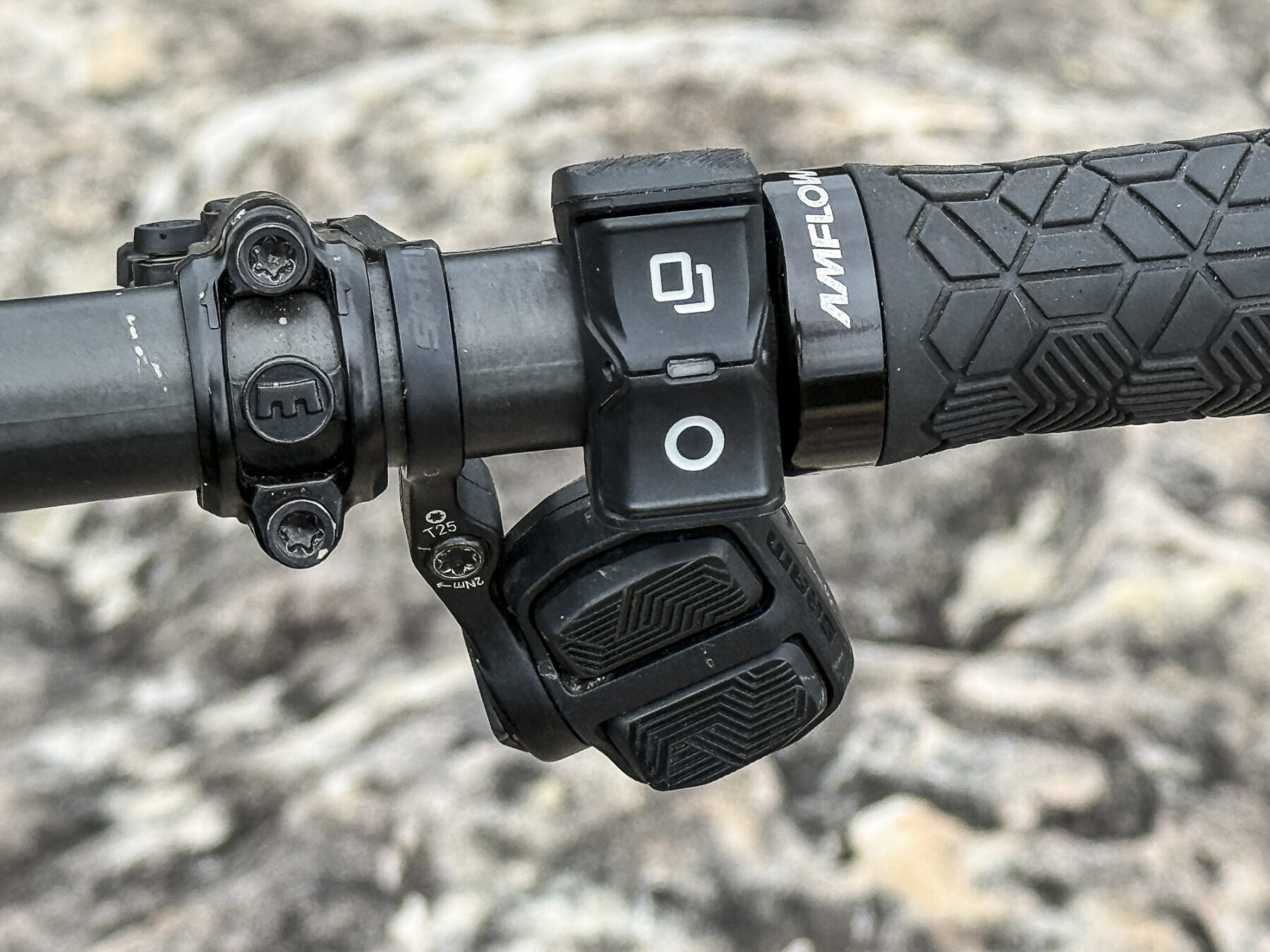
Then there’s the Avinox geek-magic. Auto mode draws on 42 data points from the rear hub to adjust power seamlessly — so well, I barely touched the other modes on my first few rides. The tech suite adds GPS, app control, remote lock, nano-SIM for tamper alerts, and even HRM pairing. Two years ago, this kind of integration didn’t exist.
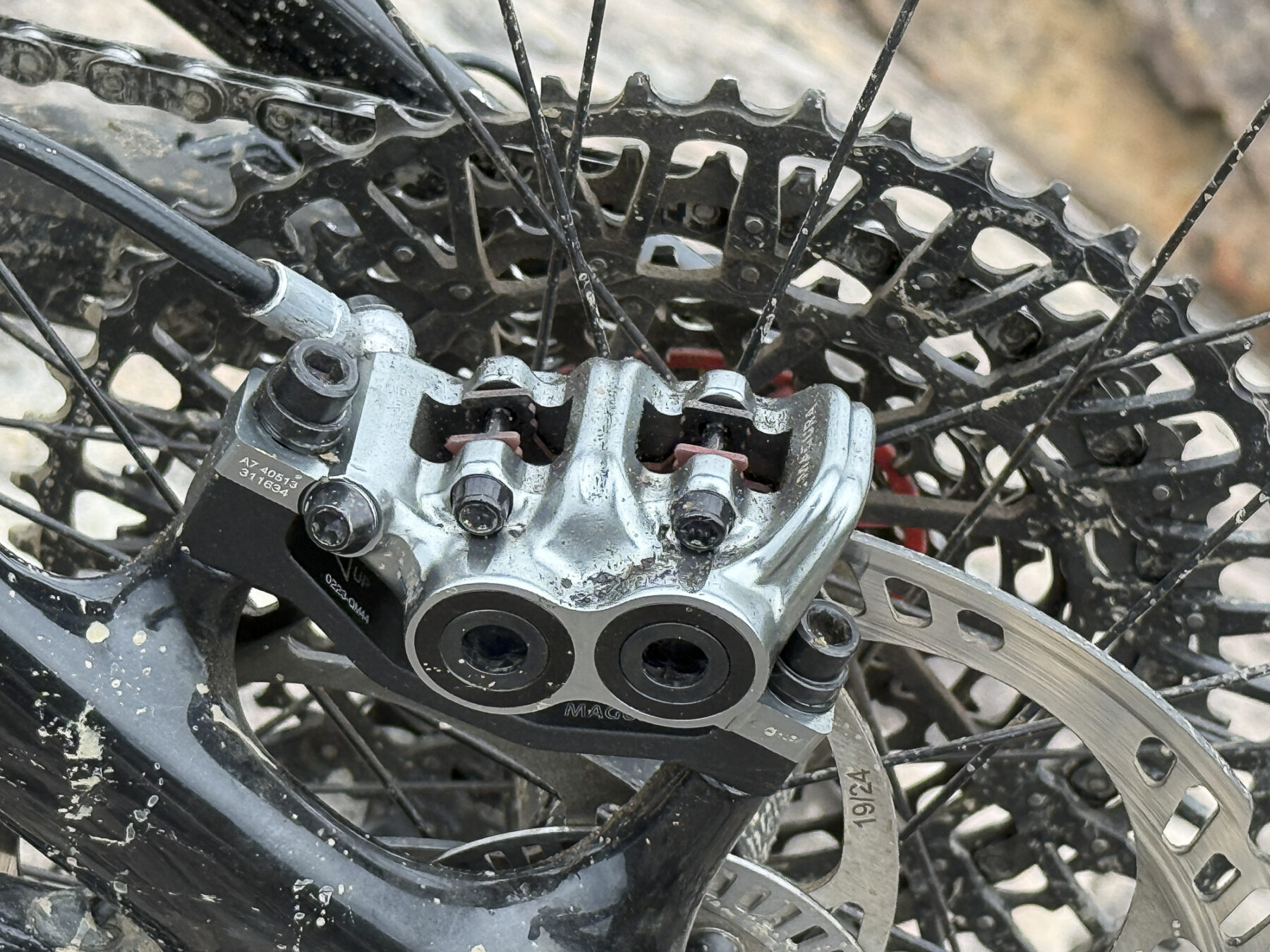
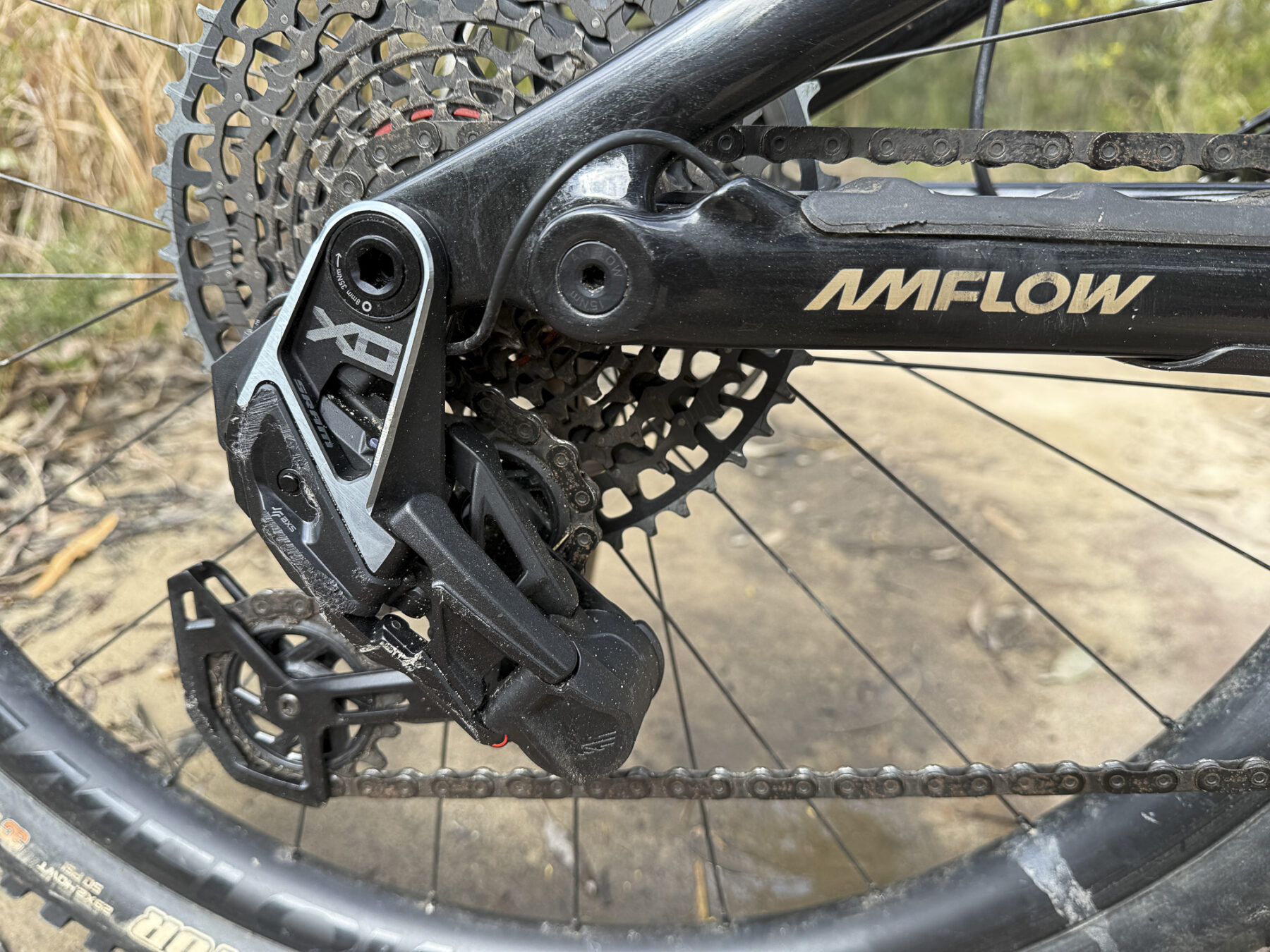
The bike’s specs are dialled: Magura 4-piston MT7 brakes with heaps of stopping power (grabby at first, until ours got contaminated), SRAM X0 Eagle Transmission that shifted flawlessly, and a Fox Transfer dropper (155-180mm for the L) that’s fast and smooth.
Stack it against current rivals? The 2025 Specialized Levo 4 is probably the closest match — impressive in its own right, with that unmistakable Specialized polish. On paper, though, the Levo tips the scales heavier and climbs nearly $10k higher in S-Works spec. Amflow’s package brings equal torque, more peak power, extra tech, and a lighter build. It’s a compelling comparison, though we’ll hold final judgement until we’ve spent proper trail time on the Levo 4.
And then there’s Avinox’s firmware drop (V00.11.03.04 + Ride App 1.3.3). In June 2025, suddenly, 1000W became available in Auto, Trail, and Turbo (not just Boost). Boost is now adjustable (10–60 seconds), Quick Start fires the motor instantly at pedal stroke, and Real-Time Tune lets you trim power on the fly. This is a bike that literally upgrades itself in your garage.
In the field
Righto, so let’s stray for the numbers for a moment and cut to the chase. This bike climbs like a caffeinated goat. The Auto mode is almost psychic: back off and it chills, stomp and it rockets like killing for a Strava KOM. It’s the first motor I’ve left in Auto and forgotten about completely — in the best way.
On steep fire roads, it’s absurd. I passed my far-fitter ride buddy at the base of a nasty climb, then boosted the rest one-handed to show off. “What a dick”, I hear you say, and I agree. But it’s hard not to with 120Nm of grunt up your sleeve. “When you hit the right cadence in the right mode, it’s just stupid.” Boost is precisely that: silly fun. A complete 1000W for up to 60 seconds feels like slapping a Mario Kart mushroom. Use it wisely unless you fancy shredded tyres or an unplanned wheelie.
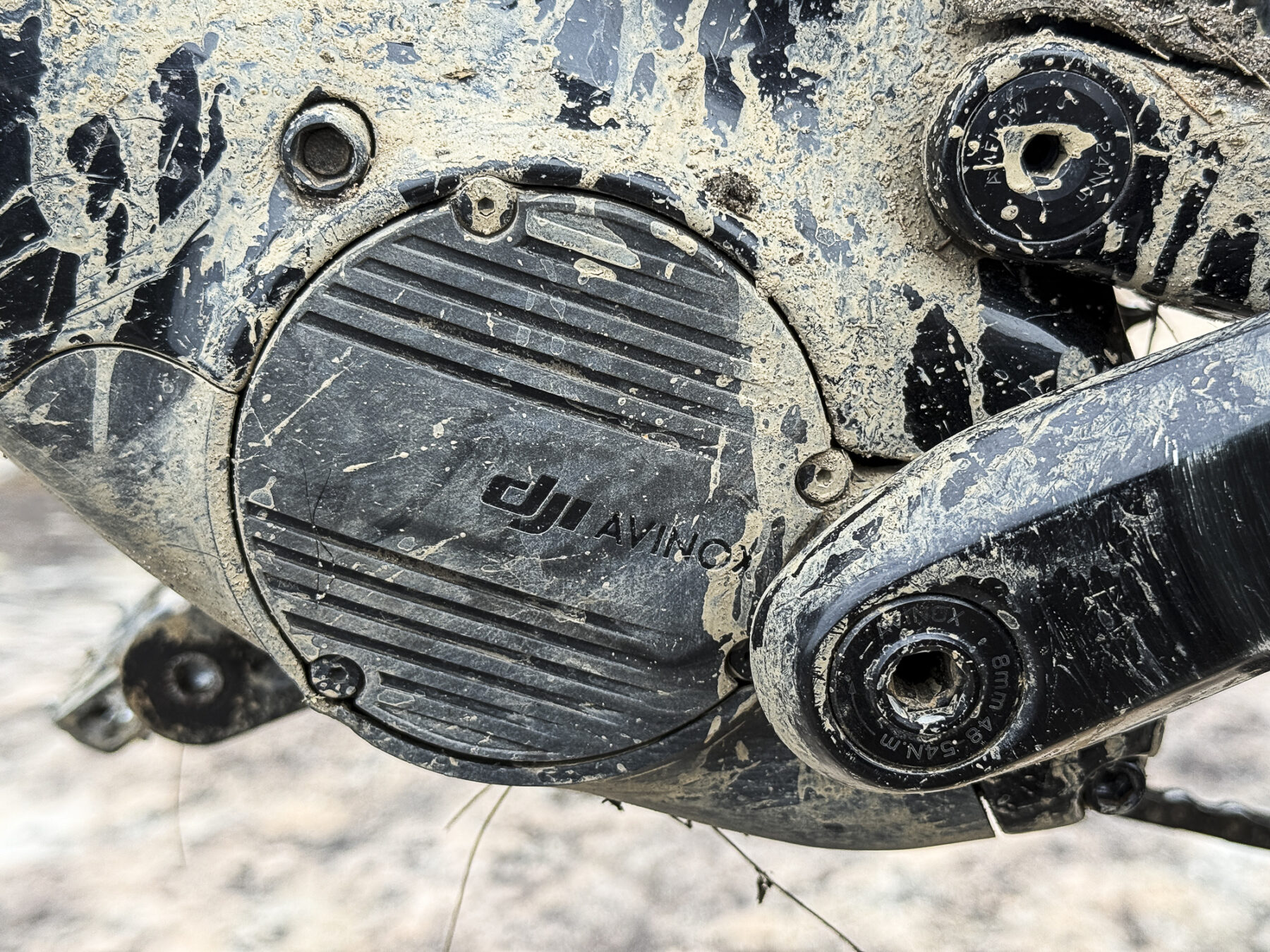
The Avinox prefers a higher cadence than you’d expect from such a torquey unit, but once in rhythm, it’s buttery smooth with endless grunt. Early on, I found low-cadence tech moves a bit lazy, and I also wanted more overrun. The firmware largely fixed it: Quick Start now brings instant engagement, and the app lets you tweak torque curves and overrun until it feels dialled.
When the bike first landed, our tech guru Jordo gave it a hammering. His verdict: “The motor’s incredible. Quiet, compact, strong. The finish is spot-on. But the frame’s way too short for a Large. They’re 40mm off the mark.” He also flagged the short 155mm cranks, saying the bike can feel twitchy and overpowered on steep climbs in Auto.
I agree on sizing. Usually, I’m a Large, but here it felt cramped and too forward aggressive. I’d upsize. The high BB and short cranks, though, saved me from pedal strikes. Once I adapted cadence and ride style, it clicked.
Efficiency is better than expected, also. I logged 41km with 800m vertical and still had 50 per cent charge left. Another ride, we boosted from the gun up a long road climb. My mate on the Amflow reached the top first but had dropped to 90 per cent, while I sat at 96 per cent on my VMG with Bafang M510. After another 47km of trail and 1000m vert, we both rolled home with 20 per cent left. Avinox isn’t just powerful — it’s smart.
The flush display looks brilliant: crisp in sunlight, heaps of data. But secondary screens are tricky to read at speed, and it defaults to “Distance Remaining” instead of battery percentage, which fluctuates mid-ride. A straight percentage would be better.
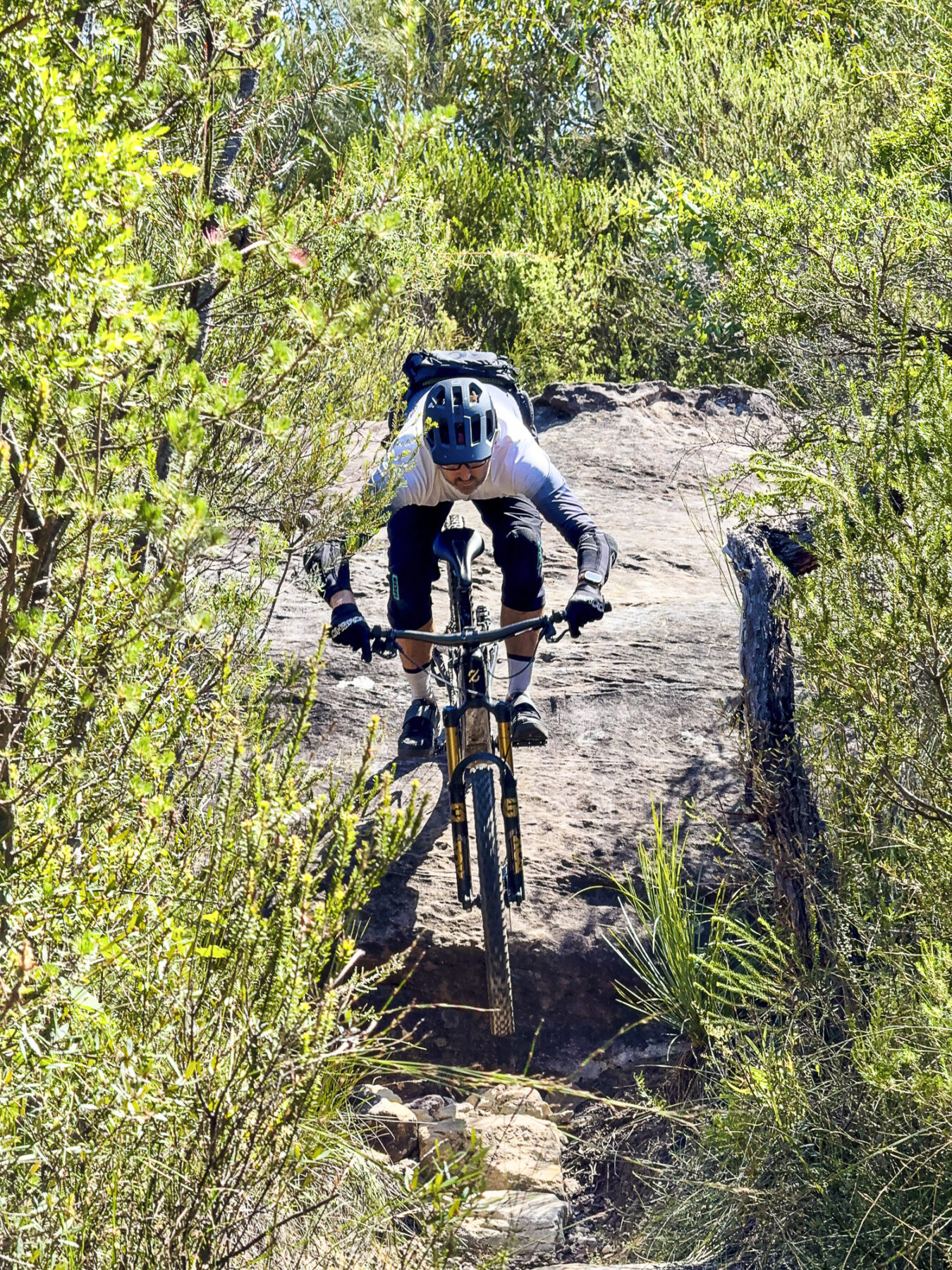
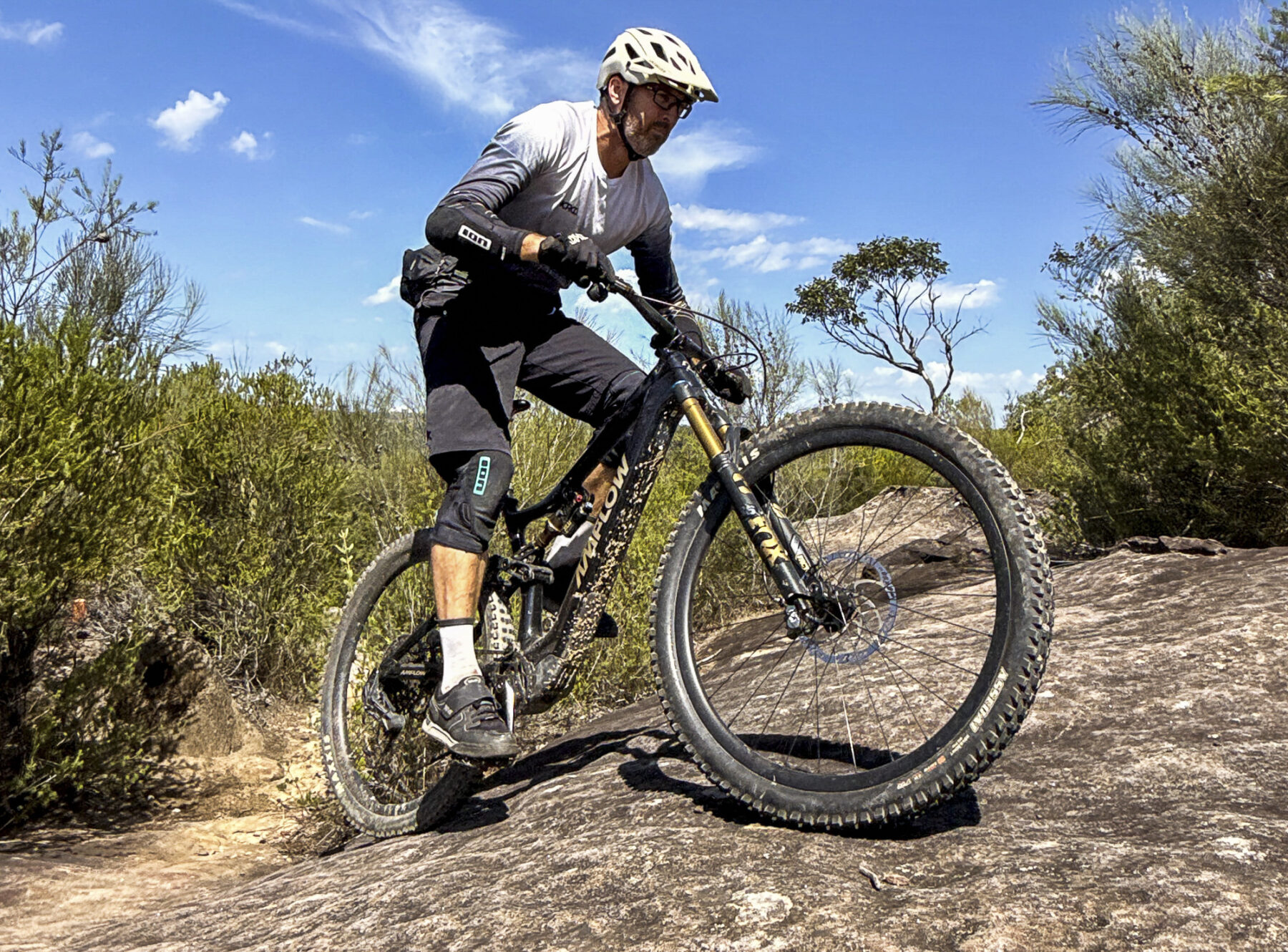
But it’s not all rainbows and unicorns. Point it downhill, and the trail-first DNA shows. With 160/150mm travel, it’s lively, light, and bloody fun on flowy singletrack. But in steep, loose or choppy terrain, it can get twitchy. I found myself hanging off the back — enough to get those classic 29er tyre stripes on the shorts. A mullet setup on an upsized frame with beefier rear rubber would help.
Coming off a longer-travel bike, I had to consciously lift the front over rocks I’d normally plough through. Not a flaw, just a reminder this is trail bike, not an enduro monster. Hard cornering revealed a touch of rear flex, too – probably less to do with my ‘rad riding’ and more to do with my COVID kilos that don’t seem to have left yet. Jordo again, less tactful: “Let’s be honest. This bike will appeal to mature riders with plenty of cash in the bank. They’ll be solid riders who still ride hard but are probably carrying a few extra Rad-dad (or Mega-mum) kegs these days. This rig wasn’t designed for big lads (or lasses) smashing rock gardens and hammering corners full tilt. The pivots, stays, and drivetrain are under-specced for the motor and the type of riders it will attract.” Basically, it’s like bolting a V8 into a Corolla.
That said, a burlier fork or coil shock might balance the platform for harder chargers; Amflow itself suggest Öhlins, RockShox, Formula, or X-Fusion coils (Fox coils aren’t recommended with this frame, as the trunnion mount and long yoke create side loads that Fox units don’t love). Of course, there are now plenty of new Avinox-powered bikes popping up if you want power but are chasing a more gravity-oriented rig.
Whilst my ‘sketchy-rock-garden-loving’ brain might have wanted something slacker, plenty of others fell in love with the Amflow’s trail manners. Patto, 183cm and 90kg, fresh off an old-school 2020 Bronson, said: “It rides like my acoustic but with a rocket up its rear-end.” Once the brakes were sorted, he thought it felt balanced, lively, and bloody fast. And my mate Winski from Squamish? Well, he couldn’t stop laughing and hooting as he wheelied up the climb trail.
So it’s not one-size-fits-all, but if you want nimble, light, and tech-heavy, you’ll love it. If you’re booting gaps and hucking drops, maybe hold out for a burlier sibling.
The final word on the Amflow PL Carbon Pro
The Amflow PL Carbon Pro is a window into the future of e-MTBs: sleek, powerful, connected, and clever. The Avinox motor isn’t just about huge numbers — it’s the way it delivers them: quiet, efficient, and intuitive.
Perfect? Not quite. The frame feels slightly undergunned for the motor; geometry runs short for taller riders; and the fixed battery will annoy apartment dwellers. Our Maguras leaked and contaminated the rear rotor (Flow MTB had the same issue), but that’s a one-off component failure; the bar cluster can feel cluttered with accidental knocks, and the display won’t lock to battery percentage. There’s also a hint more drag at max speed than some rivals.
But most of that is nitpicking. For most riders, this thing rips: long loops, grinding climbs, flowing descents. It’s light, fast, and absurdly polished for a first iteration. Let’s be honest — it’s also one of the cleanest-looking e-MTBs ever built.
As for me? I need an XL frame, and a smidge longer stem. Maybe I’ll slap a 170mm Zeb or a Fox 38 up front, mullet the rear with a 27.5-inch wheel, adorn it with a Minion DHR and insert, and call it a day. I’ll still have more confidence than competence, but I’ll be blasting the downs with a never-ending grin on my face and with that Avinox motor, there is little doubt who will win the race back to the top.
RRP: $9,399 (PL Carbon with 600WH battery)
RRP: $13,669 (PL Carbon Pro with 600Wh battery)
RRP: $13,999 (PL Carbon Pro with 800Whm battery)
See Amflow for more info and stockists.