Shimano XTR M9200 Di2 upgrade kit: Tested
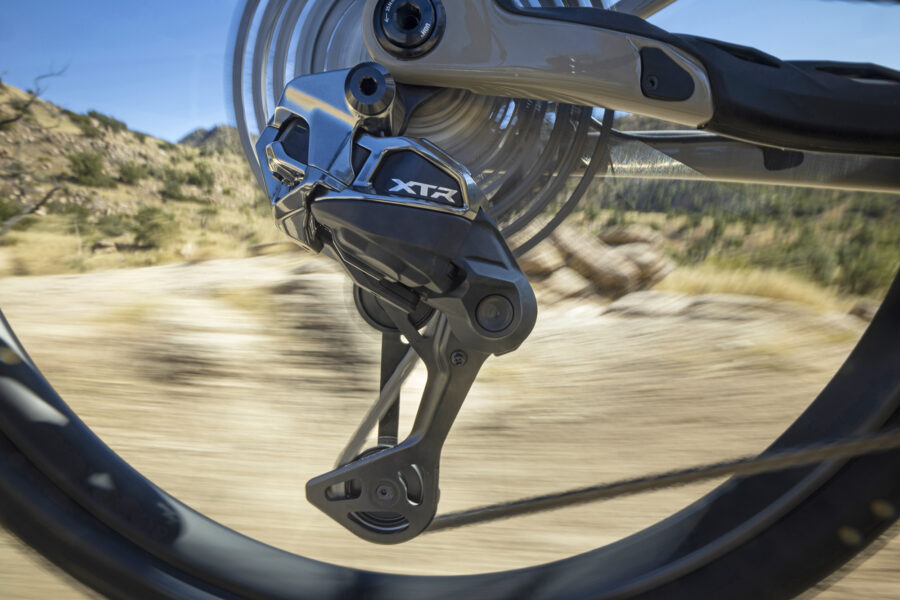
In June 2025 Shimano unveiled what many of us knew was coming and had been waiting for: a fully wireless electronic mountain bike (MTB) groupset. It came over a decade after Shimano’s first XTR and Deore XT 11-speed Di2 groupsets, and nearly as long since SRAM released its fully wireless electronic MTB groupsets. SRAM’s more recent AXS Transmission wireless groupsets delivered an incredible upgrade in durability and shift precision, albeit requiring a complete new drivetrain and using the Universal Derailleur Hanger (UDH) frame design standard, where the derailleur becomes part of the frame for added reliability and easier setup.

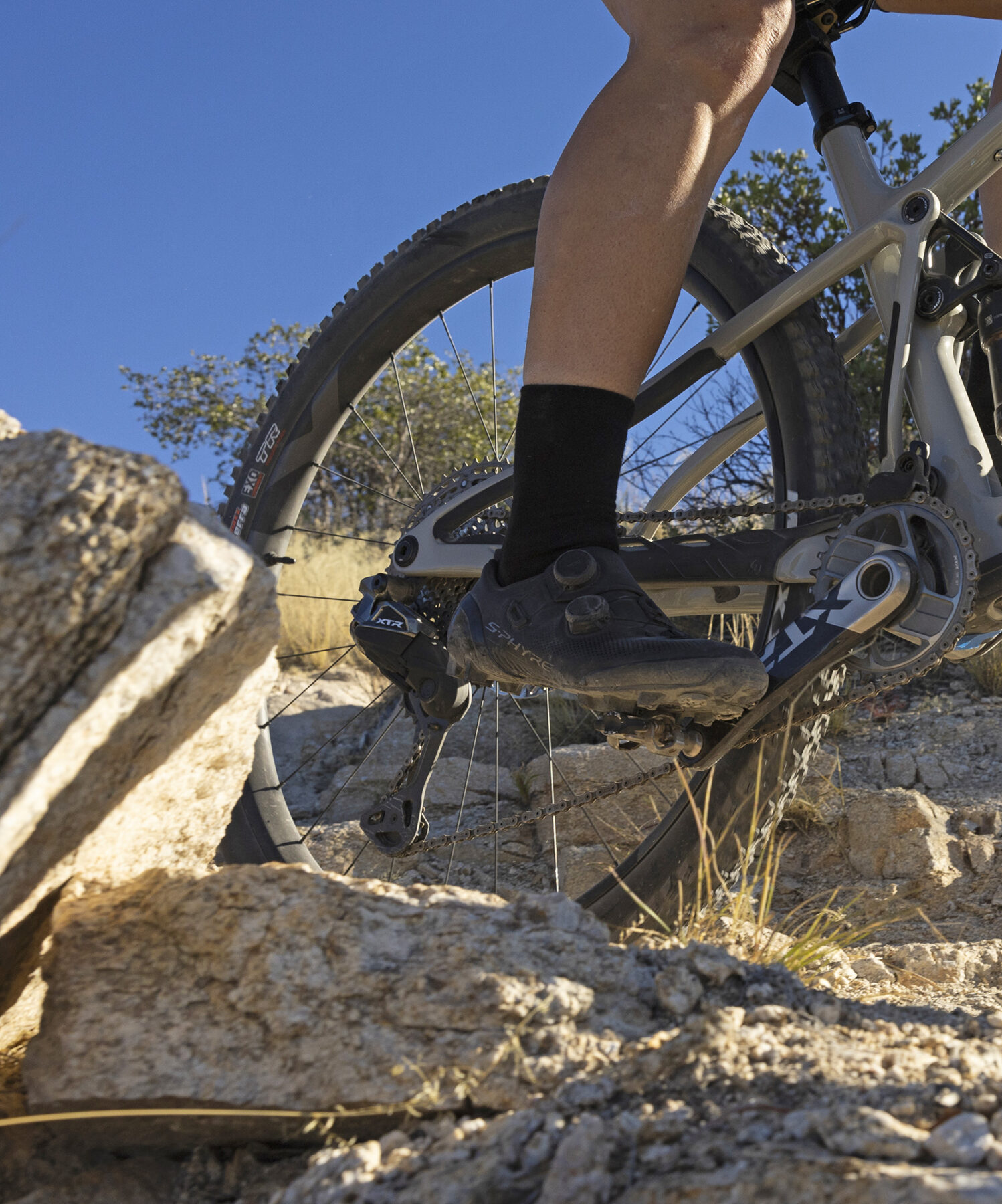
Rumours abound that Shimano followed suit with a UDH design for its updated group. But with the success of its existing 12-speed mechanical MTB groupsets, including the shift precision of the Hyperglide Plus chains and cassettes, Shimano opted for backwards compatibility. This meant retaining a derailleur hanger but optimising the design for impact protection and, of course, shift speed and precision. While there are new groupsets for Shimano XT and XTR, with a range of options for cross-country or enduro use, for riders like myself, who have a complete 12-speed Shimano XTR mechanical groupset, I could opt for an upgrade kit. And that’s what I purchased in July. The kit has a derailleur, shifter, charger and battery.
Setting up Shimano XTR Di2
You need to download the Shimano E-tube app, and this makes everything easy. I removed my chain, cassette and chain ring to degrease them, bolted on the derailleur and paired it with the shifter. There’s a guide on the back of the derailleur cage to set B-tension, and you can set up a range of preferences in the app, including shift speed, single click shifting (for e-bikes) and you can program the shifter.
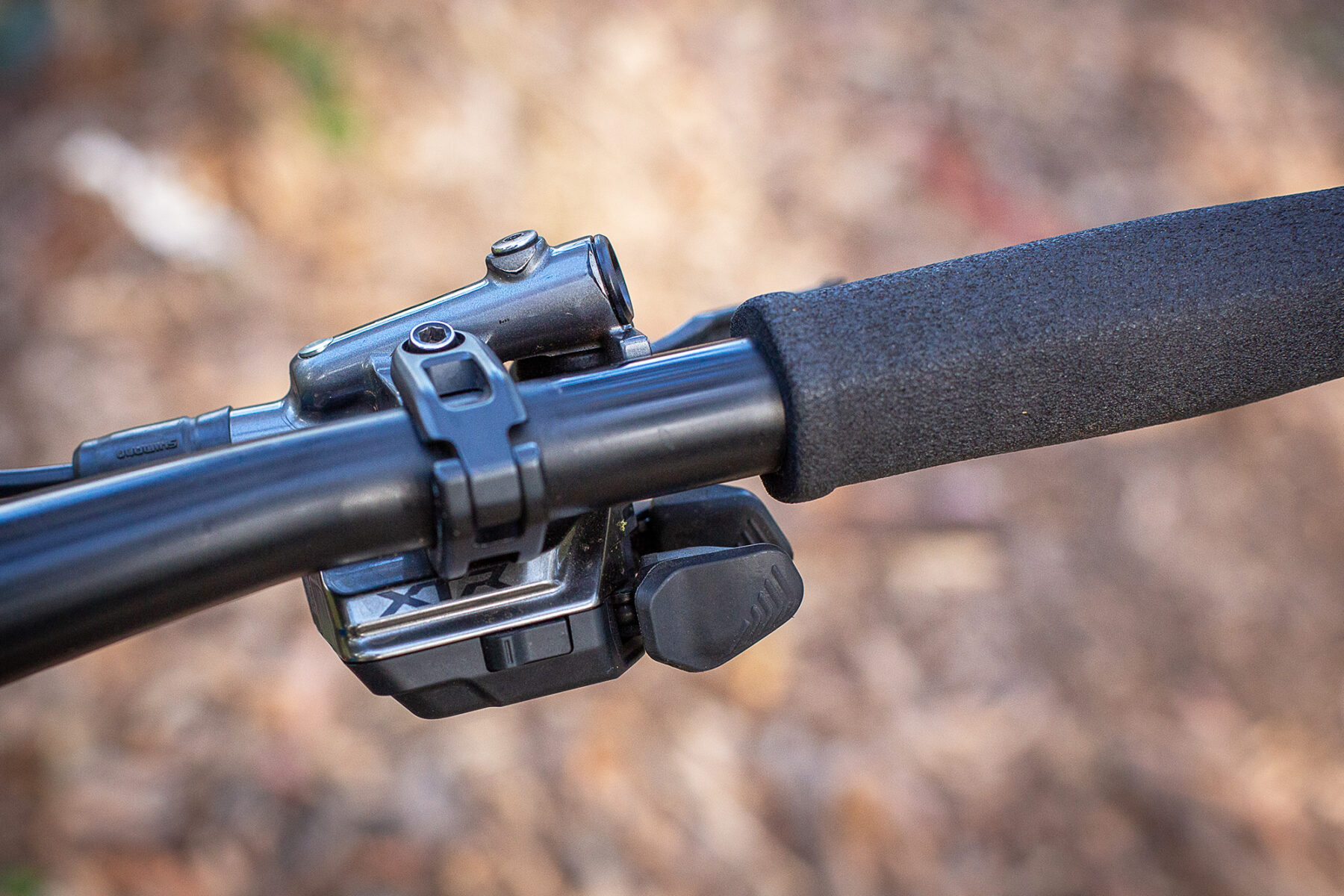
The two triggers on the shifter act with more tactile response than buttons, and you can change their angles and positioning, along with the shifter position in the clamp. There is a lot of fine-tuning to be done. You cannot, however, make the upshift trigger act like it does on a mechanical shifter, where you can use your index finger to shift to a higher gear.
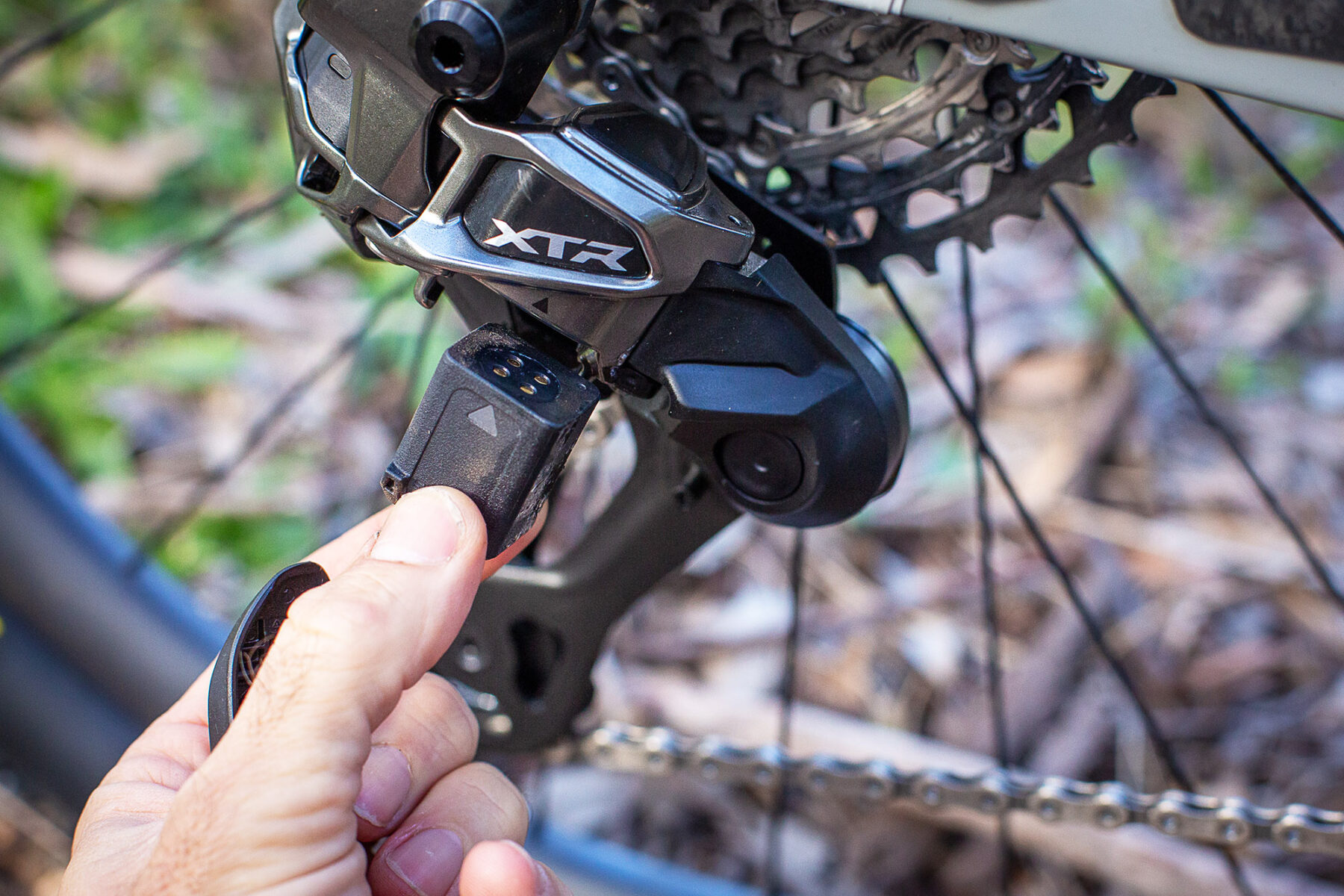
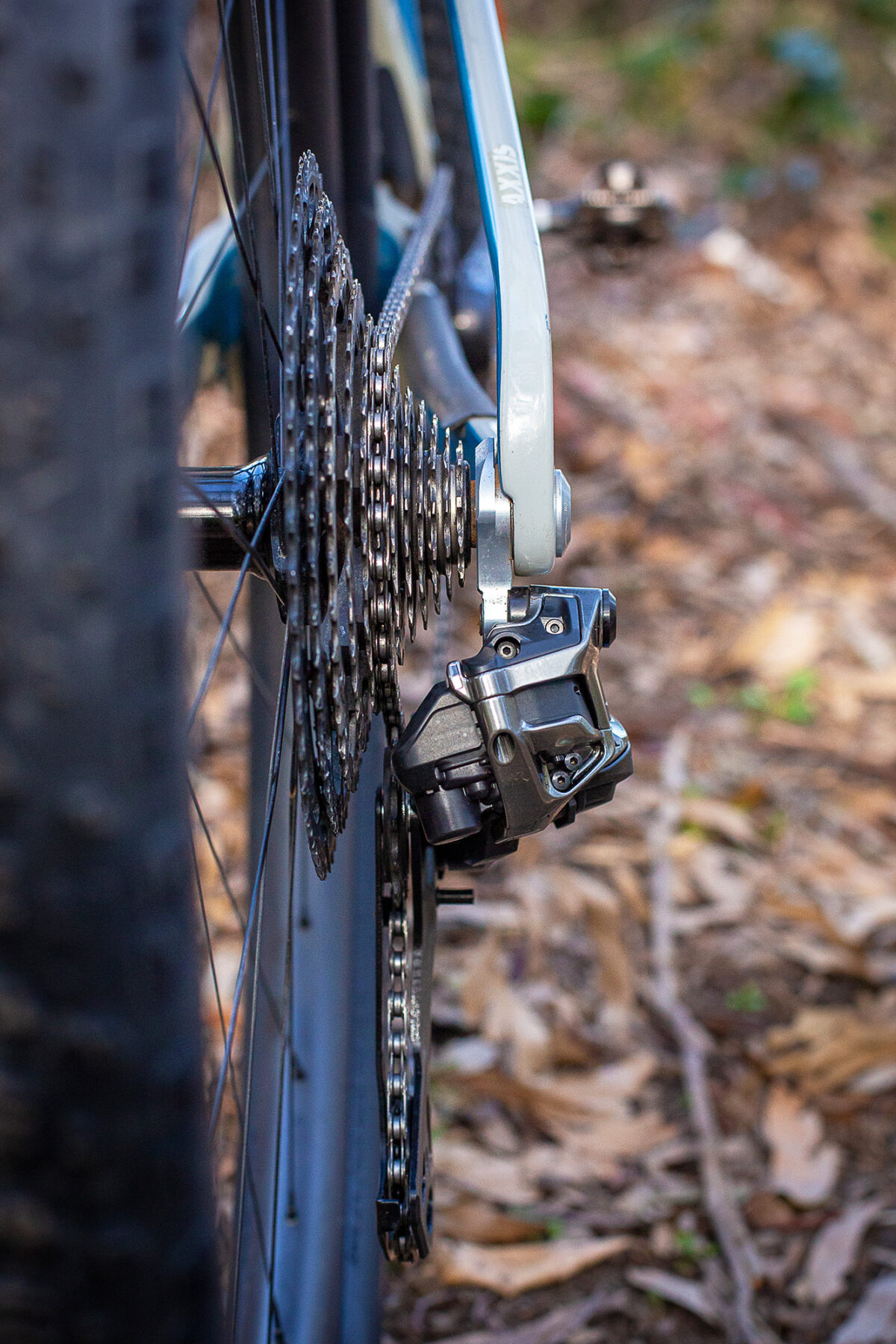
Shimano designed a new battery for this Di2, and it slides into the derailleur from behind a latched cover. I bought a spare battery at purchase but can easily check the charge via the app. Given the system goes into a sleep mode when not in use, the run time is amazing. I’d say I clocked around 45 hours before I was at about 30 per cent and figured I’d give it a charge. This was mostly singletrack, with plenty of shifts.
The upgrade kit does add weight (not much; a paltry 127g, thanks to the bulkier derailleur and battery), whereas if you fit a complete XTR M9200 groupset you will actually save weight, thanks to the new M9200 brakes, cranks and so on. So, is it a good upgrade?
On the trail
Having ridden 2×11 and 1×11 XTR Di2 for three years, I can attest to the low maintenance that electronic groupsets offer in an off-road environment. Cable and housing maintenance is zero; fine tuning gear adjustments around changing conditions and deterioration of cables and outer are things of the past.
My first ride on XTR M9200 Di2 was straight up a long, rocky singletrack climb, littered with small pinches and tight corners – the sort of terrain where you’re rarely in the right gear – and the new Di2 had me stumped at first. With a move to a thumb-thumb shift compared to the thumb-index finger I’m used to on Rapidfire Plus, I frequently shifted the wrong way.

I’d say by the top of the 8km climb I was in sync with the ergonomics. I really appreciate the distinct click, so you know you have shifted. You can program each button via the E-tube app, allowing multi-shifts or single only, and changing what each button does. There is a third button on the shifter body that you can set to control screens on a range of bike computers!
What really struck me is how fast the shift is. Shimano’s Hyperglide Plus chains and cassettes already move the chain across the cassette fast. What I liked about wired Di2 was the shift speed of a wired connection, and I wondered if Shimano would lose that with a wireless connection. It hasn’t. Shimano even let you tune the shift speed, which makes sense; the shift still requires the pedals to be moving so the chain can move over the cassette. Opting for the fastest shift speed when you climb steep trails with a low cadence doesn’t make sense. With plenty of climbing on the cards, I opted for the middle position. If I was to be riding more rolling terrain, I would open the app and up the shift speed.
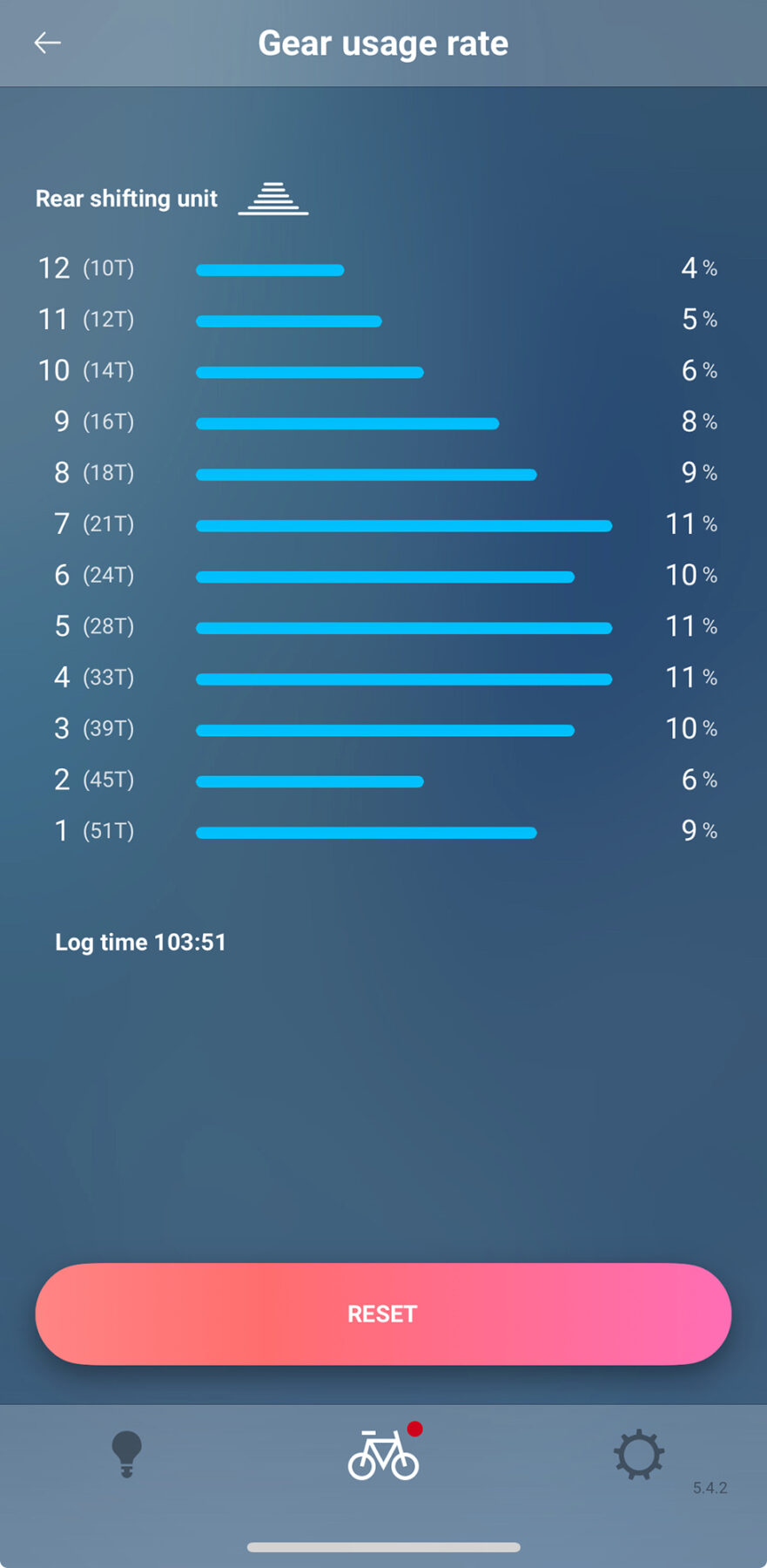
The app can show gear use and is the place for firmware updates. Gear use mapping is interesting; if you’re spending lots of time very low down in the cassette, you may be running a larger chain ring than you need, and vice versa. You can reset this tracking; I think for competitive riders this tuning, along with shift speed, is very useful.
You may have seen some media around the durability of the new Di2 derailleurs. While Shimano sticks with the derailleur hanger, there’s a built-in bash plate and a clever design that moves with a hit and returns to the original position. A big enough hit may still bend the hanger and send a derailleur into your spokes, causing a lot of damage. I do appreciate the backwards compatibility but wonder if Shimano missed a trick not adopting the UDH.
Another thing not included is an adjustable clutch. This has been present on most Shimano derailleurs for well over a decade, banishing chain slap. Twin springs replace the clutch. I do miss the adjustability the clutch offered, and I’ve found there’s a bit more chain slap on M9200 Di2 than on M9100. The heavier derailleur may have something to do with it, but I sense it’s the springs; I’m by no means throwing chains, but my swingarm shows more slap beyond the edges of the frame protection. All that aside, I’m getting consistent shifting day in day out, regardless of the load or conditions. In bone-dry conditions and infrequent mud through a dry winter, the shifting has remained faultless.
The final word on the Shimano XTR Di2 upgrade kit
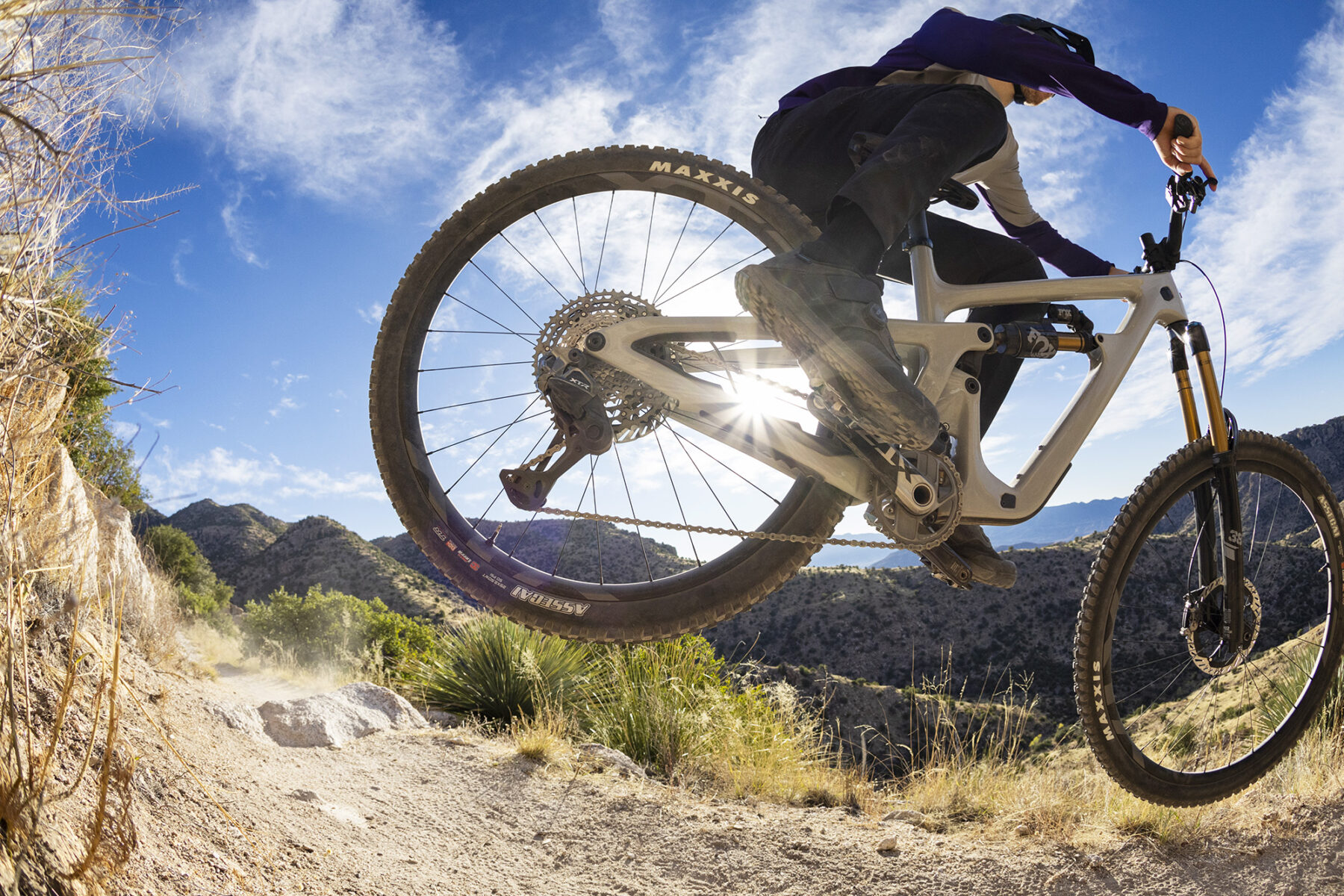
Do you need electronic MTB gears? Probably not. But Shimano has released Di2 wireless for XTR, XT and Deore. While we may feel like we don’t ‘need’ the tech of wireless shifting, I think everyone will appreciate the lower maintenance, easier shift action and the durability of the new designs. Those changes might even keep your bike on the trail more and at the mechanic less.
RRP: $1679.99
See Shimano Australia for stockists and more info.