We were driving out of Yosemite, California, on the second evening. The light was golden; the kind of light that makes you hold your breath a little. We had hiked two solid days and my legs were cooked, but I asked my travel companion, Justin, to pull over as we came around the corner to see the golden light hitting El Capitan and taking my breath away. I could see a trail veering toward the cliffs. I felt called to run to it.
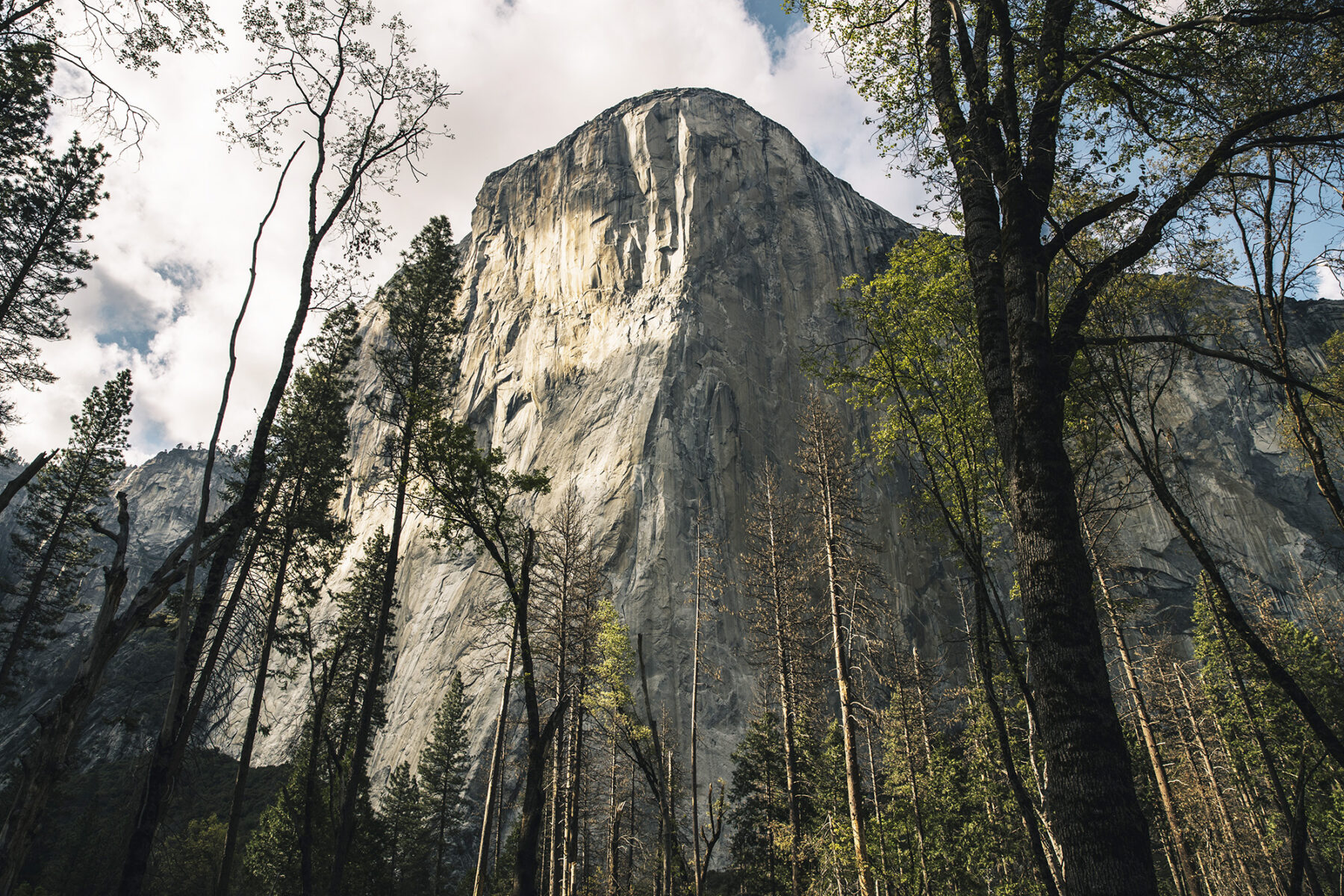
I took off alone onto the quiet trails. When I emerged at the base of El Capitan, that 900-metre-high granite wall so many dream of scaling, something inside me cracked. I stood beneath it, and tears came to my eyes. Not out of sadness, but pure awe. This, I thought, is what I seek. To feel small. To feel wonder.
Yosemite was just the beginning. After the waterfalls, the granite, the climbing switchbacks, we turned south and found ourselves in an entirely different world: the desert of Joshua Tree.
In awe of giants
Yosemite is one of those places you hear about for years, and then finally go, and it lives up to every cliché. It’s touristy, yes. Busy even in shoulder season. But the grandeur of the landscape overrides everything.
On our first full day, we started with the Lower Yosemite Falls loop, a short and popular walk with big reward, towering falls thunderous with spring snowmelt. Even surrounded by others, it was hard not to feel the electricity of nature in full voice.
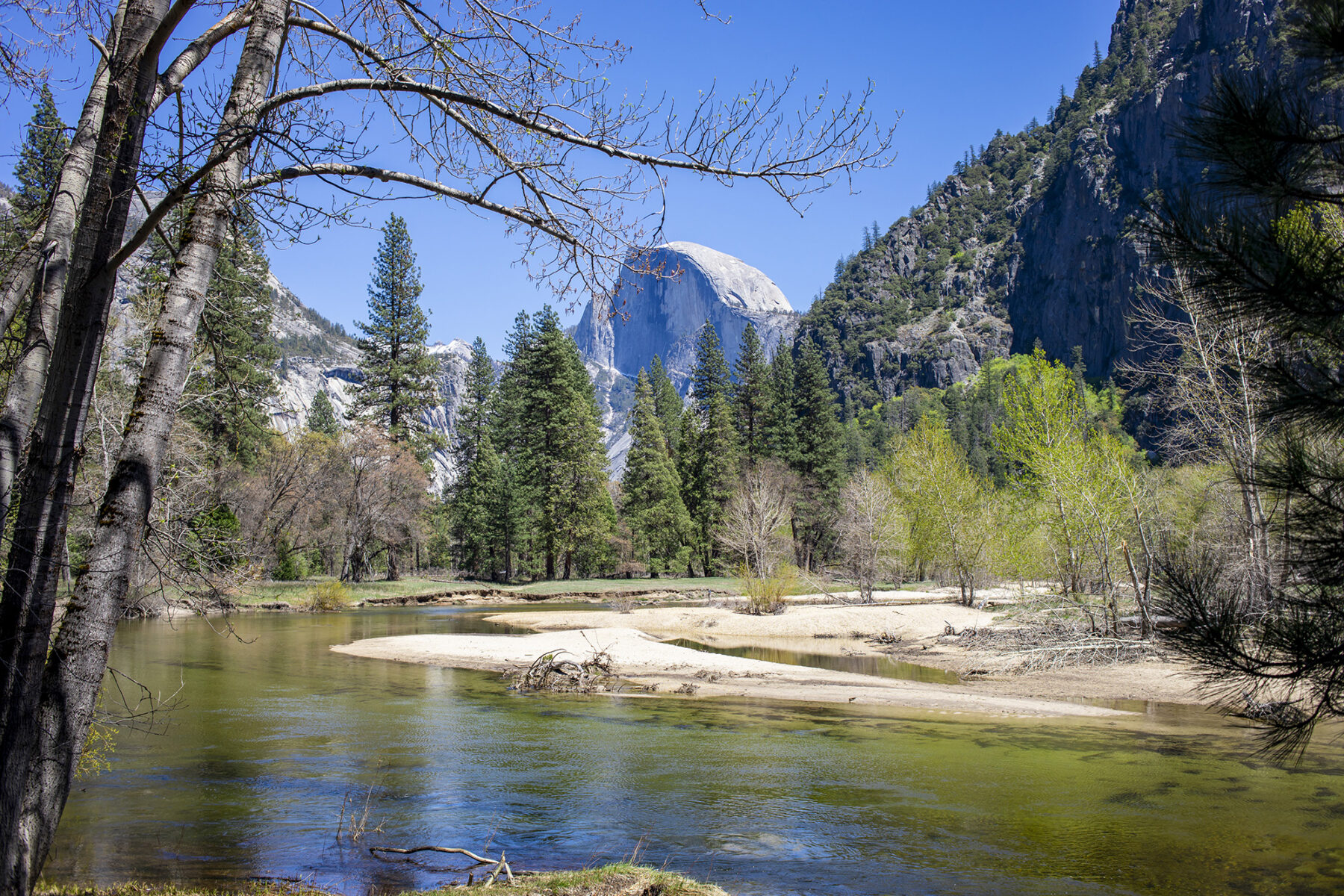
Later, we peeled off onto Four Mile Trail, a lesser-walked trail, a 10km return hike climbing around 650m. Its switchbacks eventually take you to Glacier Point, but the trail is normally closed at the 7,000-foot elevation level due to seasonal snow and ice, opening fully when the park opens Glacier Point to visitors. The terrain was quieter. Breathy switchbacks the whole way up.
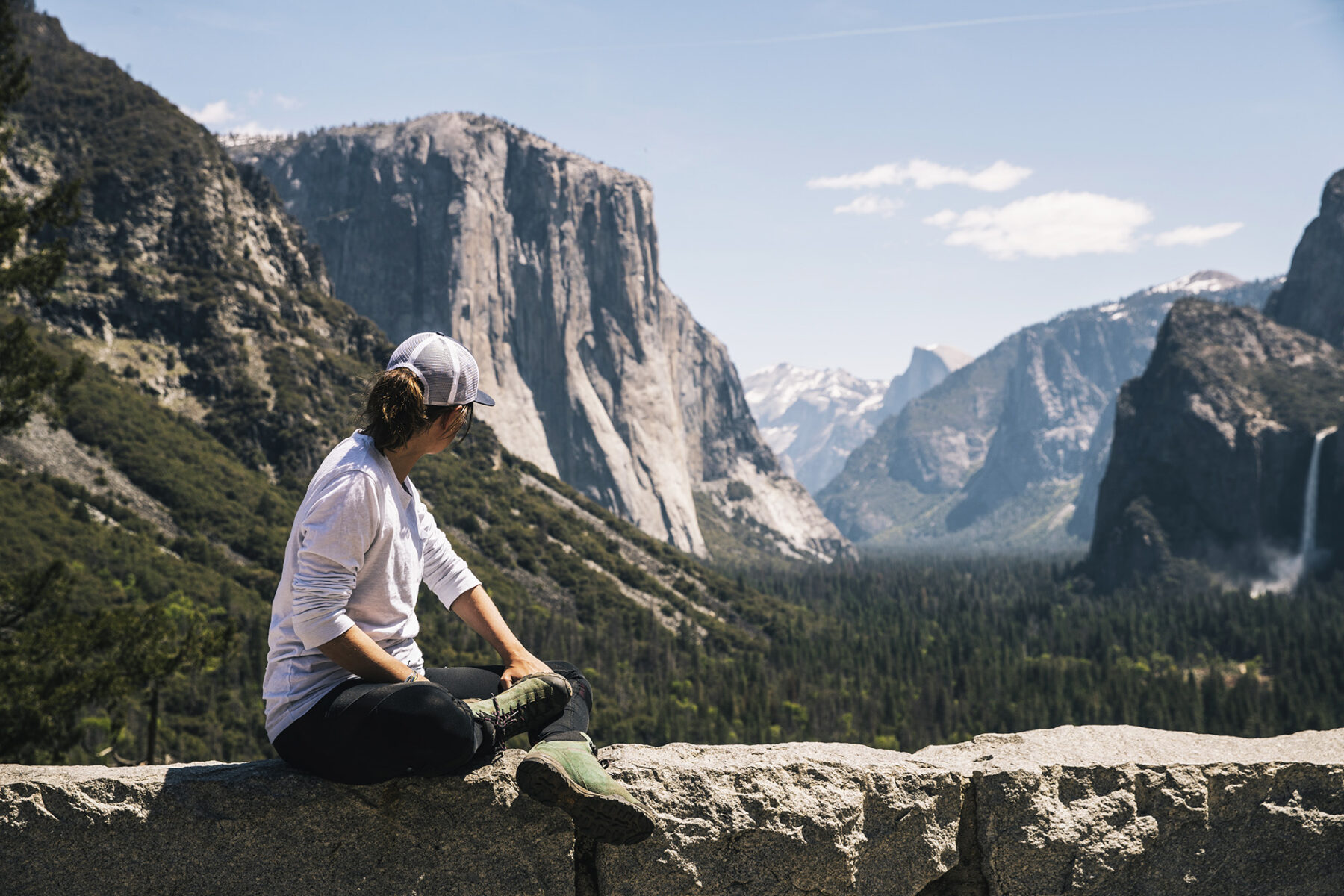
Justin was making light work of the elevation gain, hailing from the mountains of Wyoming, and when I enquired about how he manages it, he looked at me and said: “When it gets hard, I have a word with my heart.” I smiled, but the words stayed with me. It wasn’t just trail advice. It was life advice that will remain with me. We stopped for lunch near the top, perched on a rock we ate our sandwiches, and took in the most insane view of Half Dome across the valley.
Stairmaster wasn’t lying about the Mist Trail
Day two was reserved for the famous Mist Trail, one of Yosemite’s most iconic hikes, something I have done on the Stairmaster in the gym, realising when we took it on why it was so hard to conquer. It’s a steep climb alongside Vernal Fall, and as the name suggests, you’ll be drenched by the time you reach the top. Water explodes over the cliff, soaking the granite staircase and leaving hikers giggling and gripping the railings. It was packed, but it didn’t matter. The power of that waterfall is unforgettable.
Descending, we took our time so I could take careful steps as we navigated the wet stairs with heavy legs. Then came that sunset moment below El Capitan, the trail run, the solo moment at the base. I stood in the fading light, looking up at the granite wall rising into the sky, and let the moment land in my body. I felt my breath slow. No one else was around. Just me. There are moments when the noise of life falls away, and this was one of them. No roles to play. No to-do lists to tick off. Just my heart beating, talking back to me with what it needed me to hear.
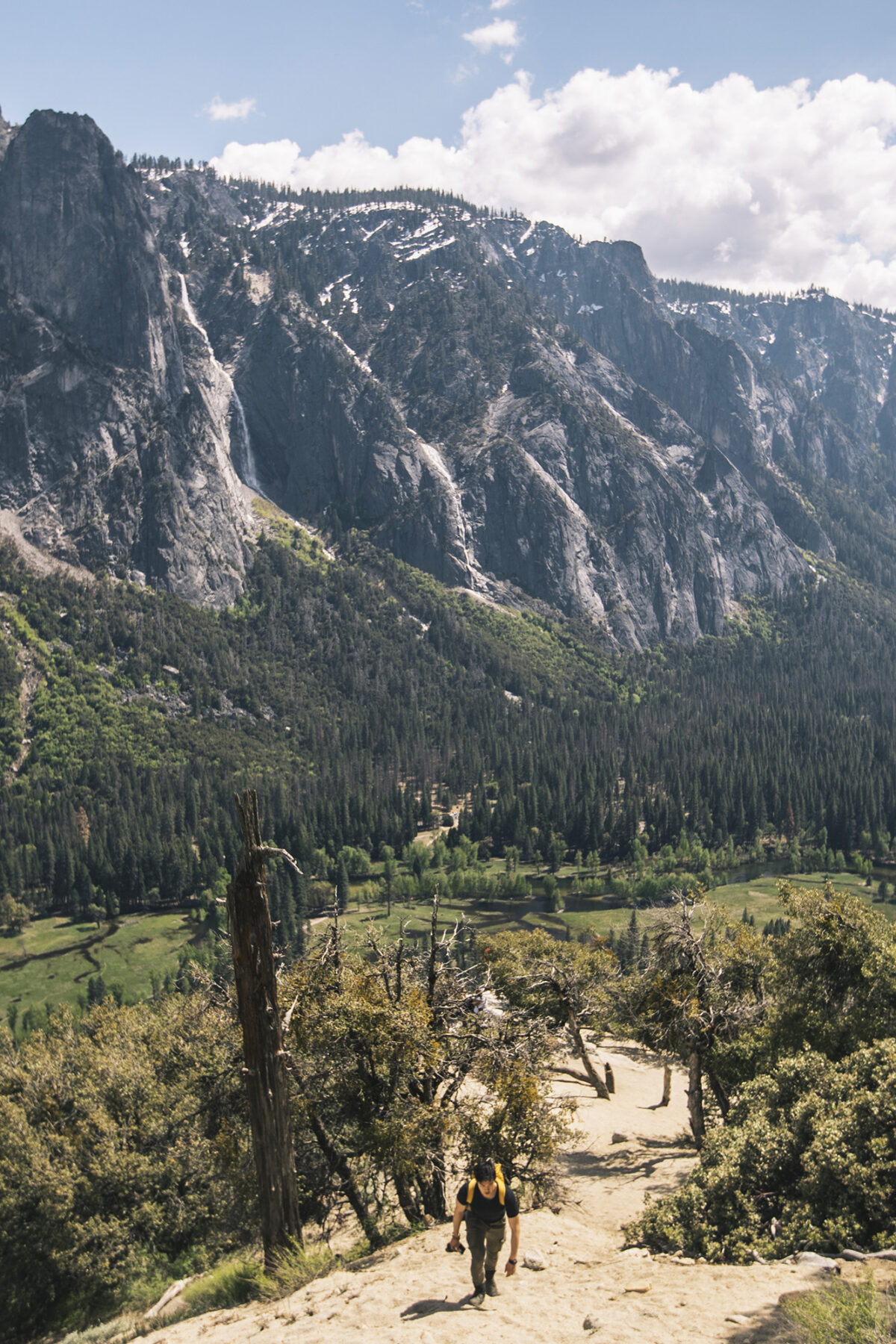
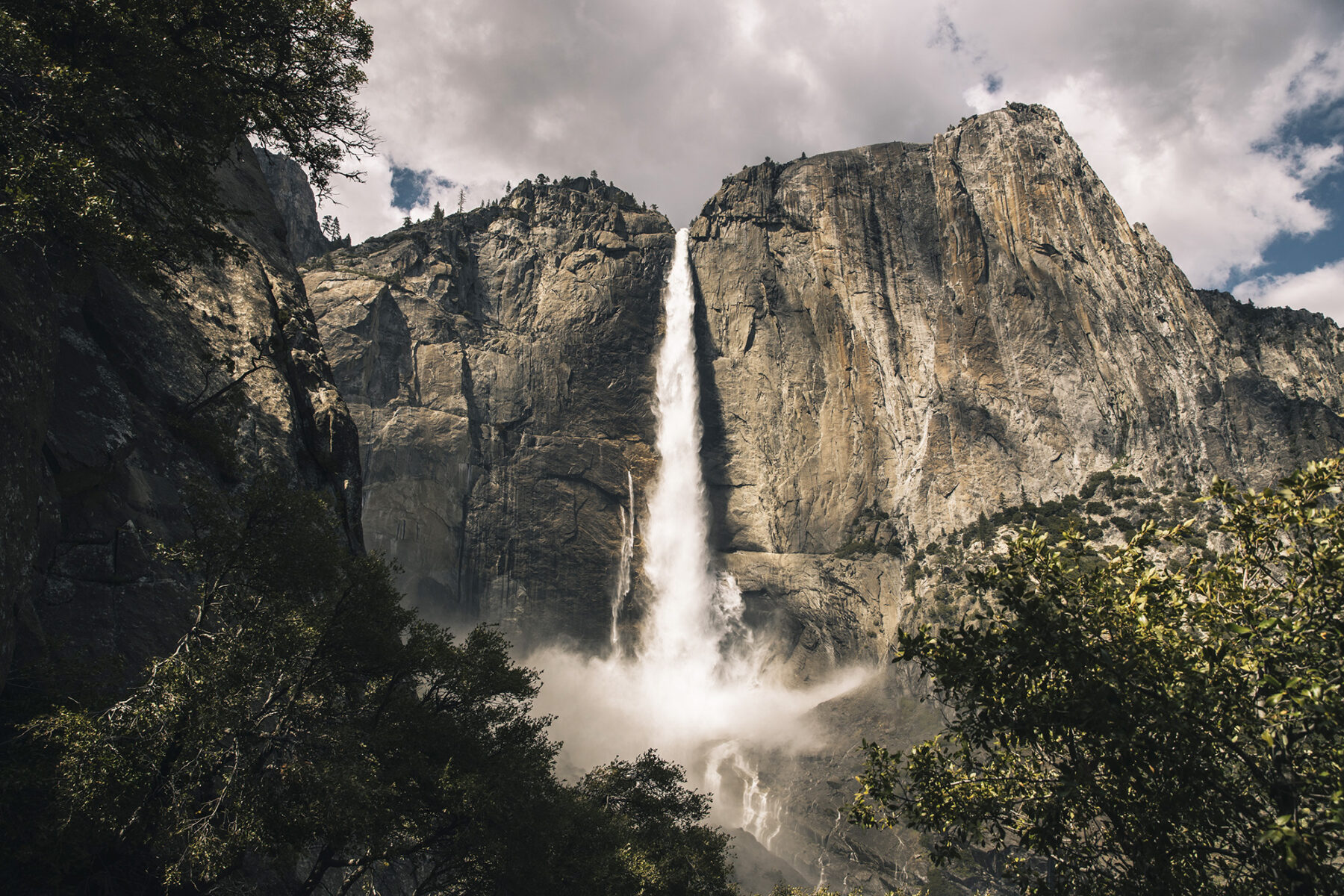
Our time in Yosemite was made even more special by the fact that we were fortunate enough to be hiking there on Earth Day, moving through soaring granite and roaring water, reminded of the wild beauty that we are so privileged to enjoy and have a duty to protect.
The desert that did not disappoint
After a reset in LA, soaking in the coastal energy and letting the Yosemite experience land, we hit the road again. This time, two hours inland to Joshua Tree.
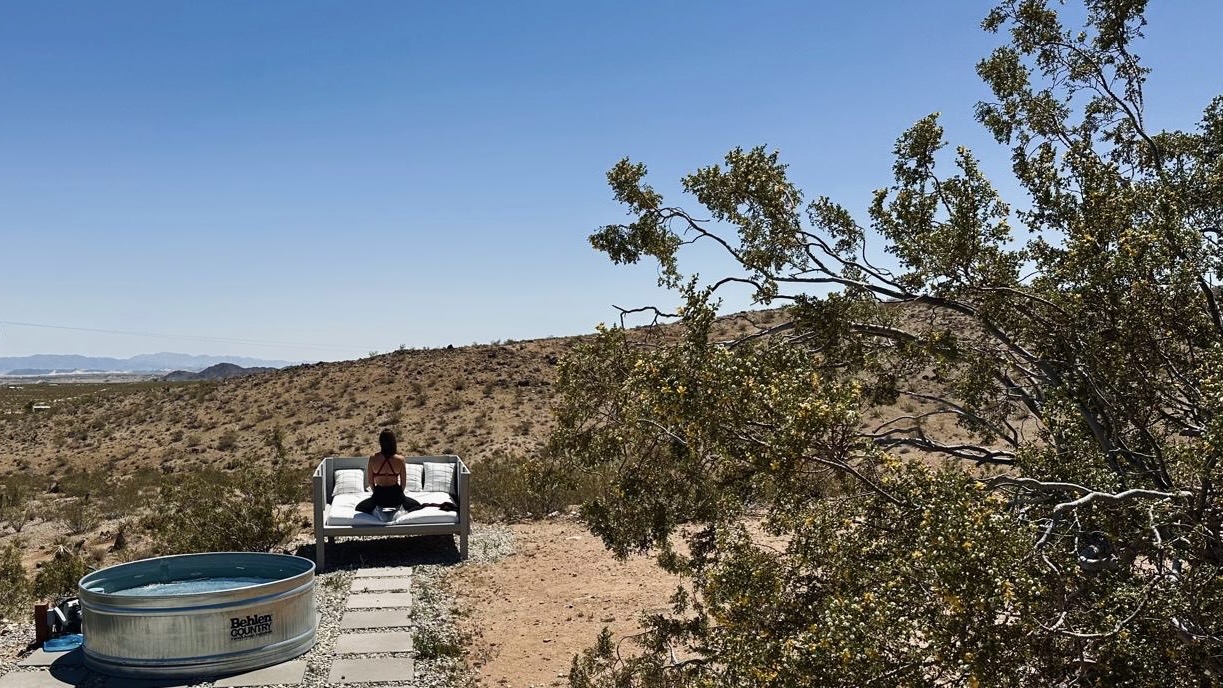
After the crisp alpine air of Yosemite, the wide, dry skies of Joshua Tree felt like another planet. The drive itself was stunning: wind turbines spun across the horizon, then slowly gave way to twisted, alien-like Joshua trees standing sentinel over the sand. We checked into our Airbnb, a stunning, perfectly considered little retreat called Starfire2, located out of town in an isolated pocket of desert stillness. There was no one else around. Just us. We exhaled. There is something sacred about that kind of silence.
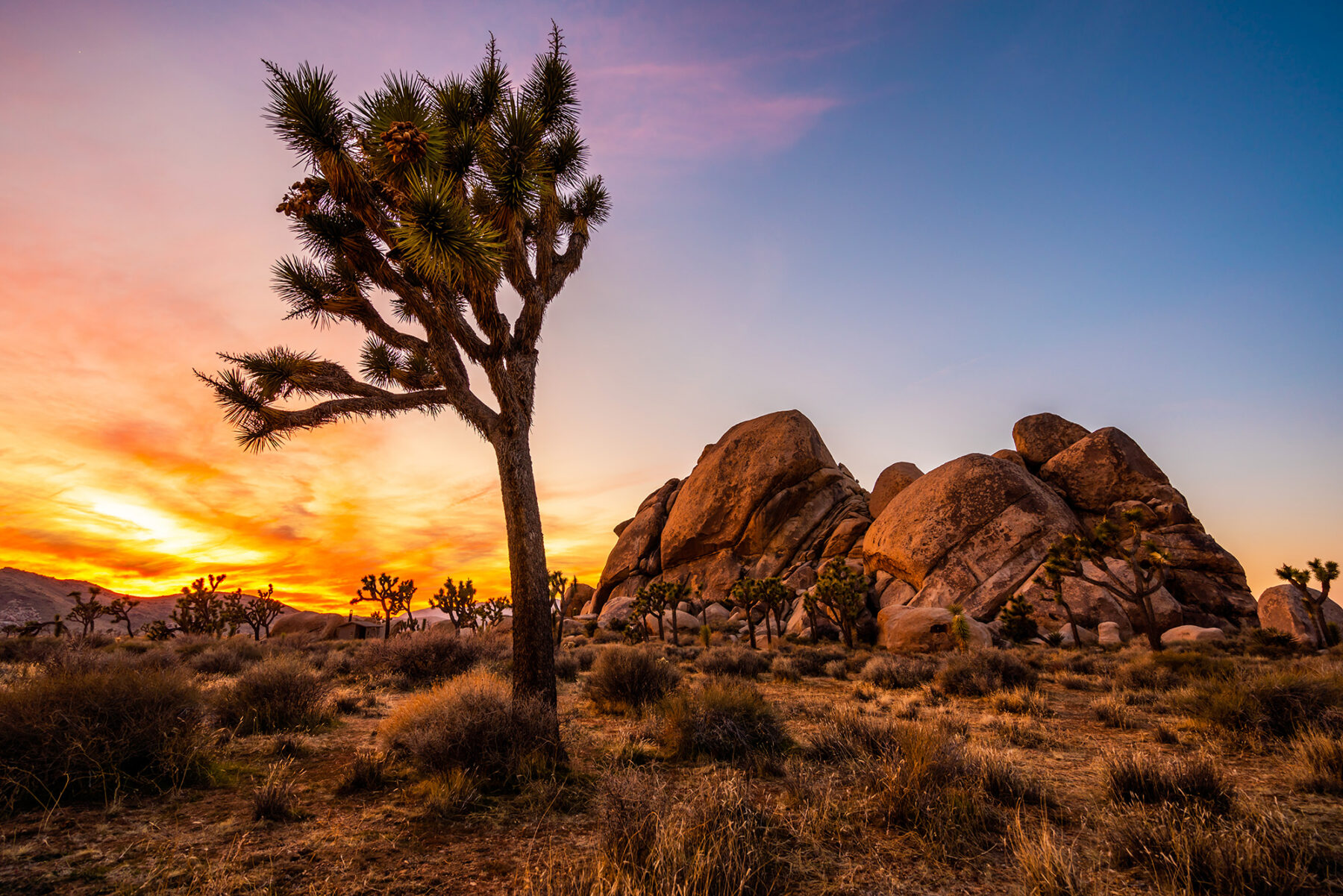
As the sun began to set, we wandered around the property, capturing photos as the light changed every 30 minutes. The desert, more than any landscape I know, shape-shifts with the light. Harsh at midday. Gentle at dusk. Otherworldly as the sky turns to stars.
Later, full of Smores thanks to the hosts that kindly left the ingredients for us to enjoy, we climbed into the hot tub and lay back to watch the stars emerge. One by one. Then hundreds. Then thousands. Something in me shifted that night. The desert doesn’t care about who you are or what you’ve done. It strips you back. As I lay there under the stars, I felt both raw and whole. That place holds space in a way I can’t explain, only feel.
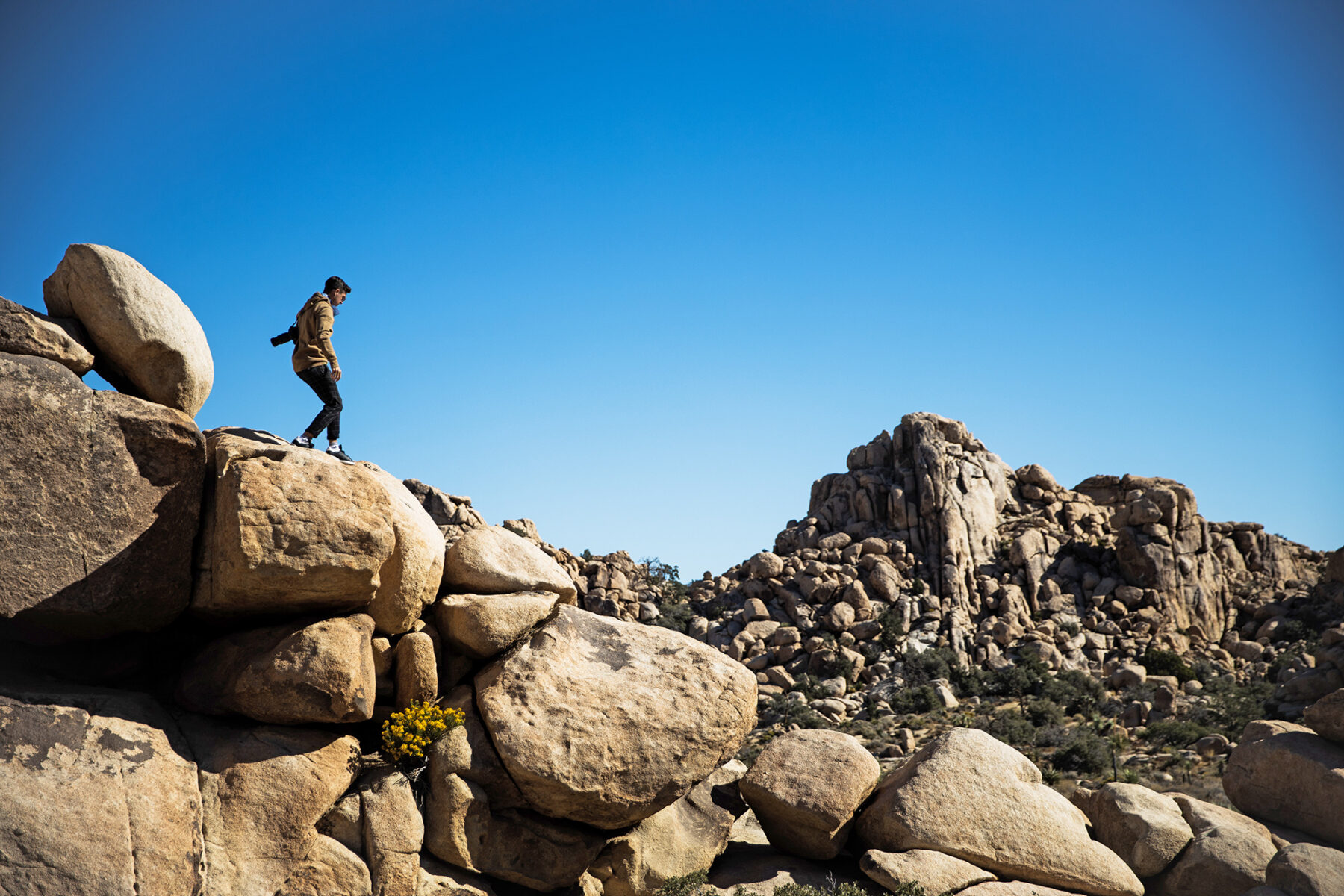
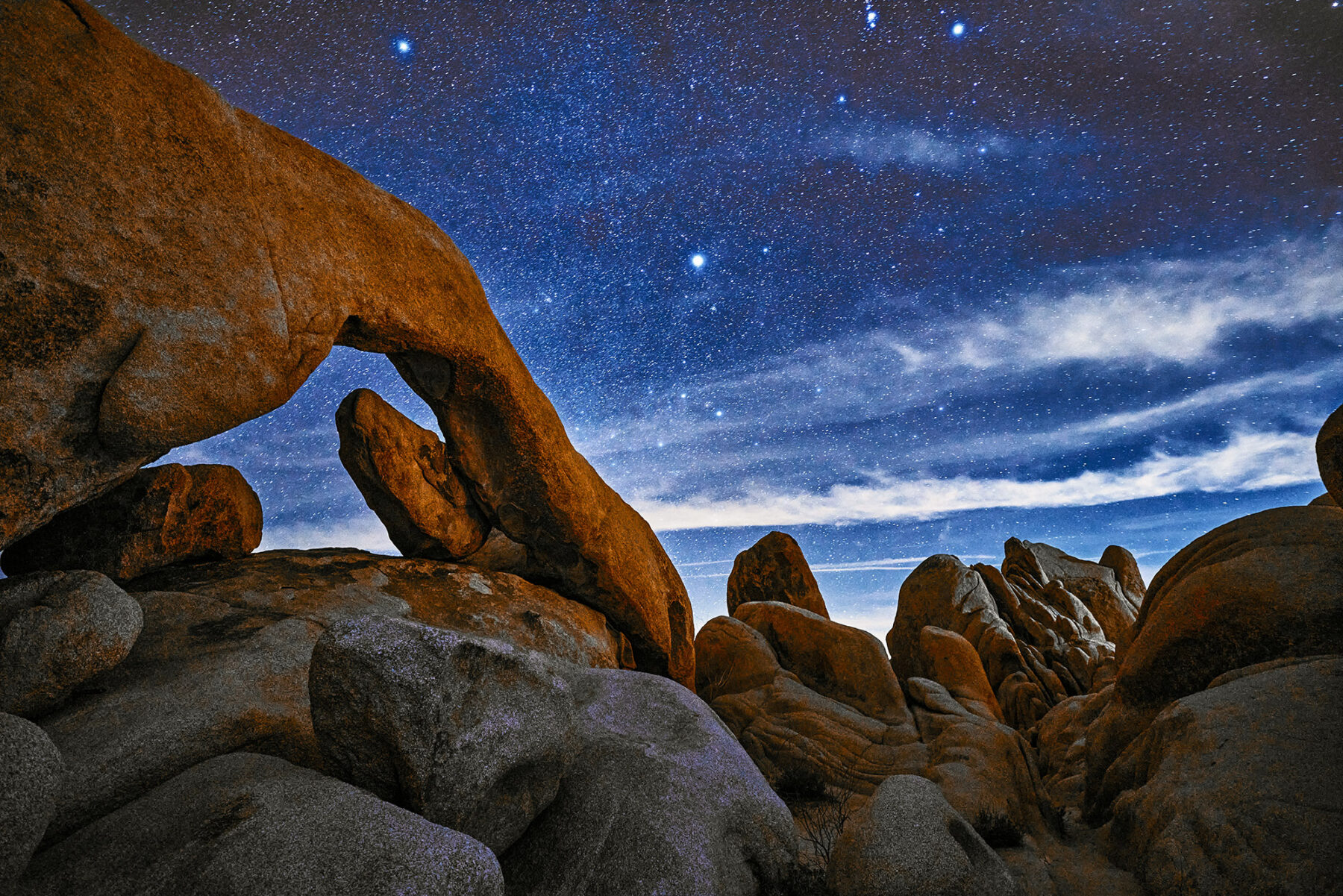
We didn’t hike into the national park on this trip, but if you do stay longer than a night, it’s worth exploring. Trails range from short nature walks to full-day treks through cactus fields and boulders. Always check for heat warnings and be cautious of rattlesnakes in warmer months. You’ll want more water than you think.
What this trip taught me
California gifted me two completely different worlds: the awe of Yosemite, and the stark, soul-stretching quiet of Joshua Tree.
In Yosemite, I felt small, in the best possible way. Humbled by waterfalls, cliffs, and sheer scale. I remembered how vast the world is, and how lucky we are to enjoy these wild places.
In Joshua Tree, I felt human again. Stripped of distraction. Held by stillness. The desert demanded nothing of me but presence.
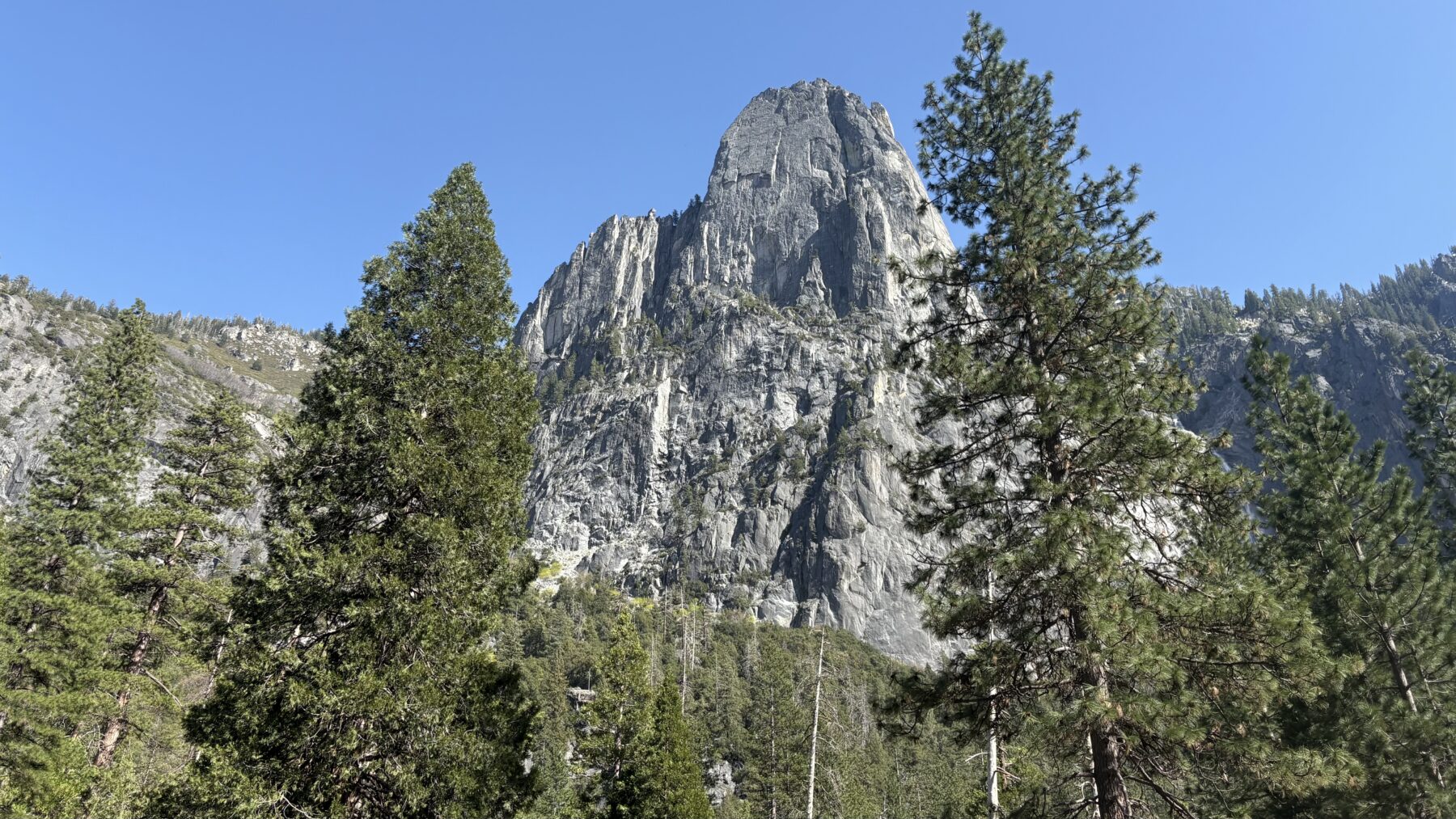
Together, these two landscapes recalibrated me. As a woman who’s spent most of her adult life balancing business, motherhood, and reinvention, I seek places that ask me to pay attention and remember who I truly am; adventure doesn’t always roar. Sometimes, it whispers. Yosemite made me feel small. Joshua Tree made me feel true. California reset me and reminded me who I am.
Our itinerary: A balance of adventure and reset
If you’re looking to replicate a California escape that balances wild landscapes with rest, here’s how we did it:
Days 1-3: Santa Monica arrival and reset
Arrive in Los Angeles and base yourself in Santa Monica to adjust to the time zone. We eased in with beach walks, great coffee, incredible dining, and fun nights out. Noting that Santa Monica is a very large area and accommodation location will change your experience. We stayed at the Sanbourne Santa Monica which was a short stroll to the Santa Monica Pier and main dining district. The hotel was beautiful and felt safe.
Day 4: Road trip to Yosemite
Pick up a rental car (we booked a Toyota RAV4 hybrid via Turo, affordable on fuel as a hybrid, with 1,000 miles included, and no stress about finding charging stations). The drive to Yosemite takes 5–6 hours, we stocked up on grocery supplies in Oakland at Raley’s before heading into the mountains. We checked into Yosemite View Lodge. The property sits metres from the national park line and is about 15 minutes to Yosemite Valley. It had everything we needed: Tesla chargers, onsite laundry, a convenience store (hot tip their sandwiches were a perfect lunch option to throw in our backpack for out on the trail), and most importantly – coffee.
Days 5-7: Hiking Yosemite
We explored Lower Yosemite Falls loop, tackled the Mist Trail to Vernal Fall, and ventured up the quieter 10km Four Mile trail with switchbacks and sweeping views of Half Dome. Evenings ended in the outdoor spa with pizza from one of the lodge’s restaurants dipped in ranch dressing, a first for me, eyebrow raised at first, but I’ll admit it: I’m a convert.
Days 8-12: Return to LA then on to a Calabasas energy shift
We stayed local and explored: dining out, beach cafes, Venice Beach, shopping, a movie night at The Grove, hiking up to Griffith Observatory, and a day trip out to Calabasas and Topanga.
Day 13: Into the desert
A two-hour drive inland took us to Joshua Tree, where we stayed in a remote Airbnb just outside of town for total stillness and stargazing.
Day 14: Optional hike or return
If you can stay two nights in Joshua Tree do. We didn’t get to hike in the national park, and I wish we had. Otherwise, drive back to LA and fly home.
Nature-Lovers Tip: If you’re keen on more time in the mountains, consider swapping a few LA days for a detour to Mammoth Lakes (about 1 hour from Yosemite’s east entrance when Tioga Pass is open) or Lake Tahoe (approximately 3–5 hours away, depending on your route). Both offer stunning alpine scenery and are well worth the journey.
What to pack
We travelled in early Spring (April). I packed with some snow in mind, but warm spring temps surprised me – it was warm during the day, especially while hiking. Just because there’s snow lingering above a certain elevation doesn’t mean it’s cold at trail level. Lesson learned. Layers were key: I was peeling them off within the first 30 minutes of moving. The temperature dropped significantly as soon as the sun went down in both Yosemite and Joshua Tree. Hoodie, but not puffer level.
Trail notes
Yosemite: This is bear and mountain lion country. We travelled in spring when bears were just waking up, we didn’t see any, but the signs and warnings are real. Store all food properly (bear-proof lockers or sealed car storage), don’t leave anything scented in your vehicle, and under no circumstance feed the squirrels (they’re bold, and they bite). Always check local trail conditions and closures before heading out.
Lower Yosemite Falls Loop: 1.6km, flat, paved, and very accessible. Great for a short warm-up or end-of-day stroll. Best early in the morning before the crowds.
Four Mile Trail to Glacier Point: Approx. 10km return, with 650m elevation gain. Switchbacks most of the way up. Trail often closes around the 7,000ft mark until snow clears. Epic views across the valley, Half Dome feels like it’s within reach. Bring lunch and water.
Mist Trail to Vernal Fall: 5.4km return to the footbridge, or 11.6km return if you continue to Nevada Fall. Steep and often slippery, prepare to get wet. Can be crowded, but still a must-do. You’ll understand why once you’re there.
This article was supported by Yosemite Mariposa County Tourism Bureau.